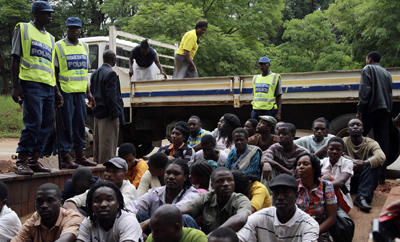
Zimbabwe charges 45 with treason for viewing Egypt footage
The right to receive and impart information is a fundamental human right enshrined in the United Nations’ Universal Declaration of Human Rights, but in Zimbabwe, watching news of North African and Middle East protests apparently amounts to treason.
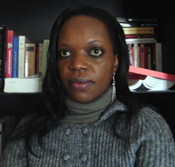
Out of Africa: Lucie Umukundwa five years later
Five years after helping her leave her region due to threats, CPJ catches up with Rwandan journalist Lucie Umukundwa to learn more about her struggles to resettle in another continent, regain a foothold in journalism and continue to make an impact in Africa.
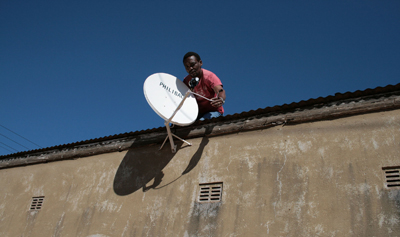
Sub-Saharan Africa censors Mideast protests
As news of Middle Eastern and North African protests swirl around the globe, satellite television and the Internet prove vital sources of information for Africans as governments fearful of an informed citizenry and a free press such as in Eritrea, Equatorial Guinea, and Zimbabwe impose total news blackouts on the developments.
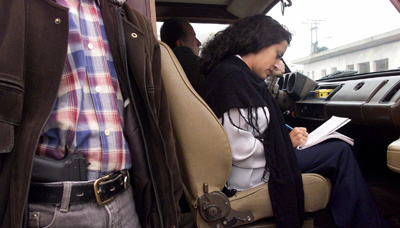
Documenting sexual violence against journalists
The news of the sexual assault against CPJ board member and CBS correspondent Lara Logan hit us hard on Tuesday. At CPJ, we work daily to advocate on behalf of journalists under attack in all kinds of horrific situations around the world. Because of Lara’s untiring work with our Journalist Assistance program, she’s well known…
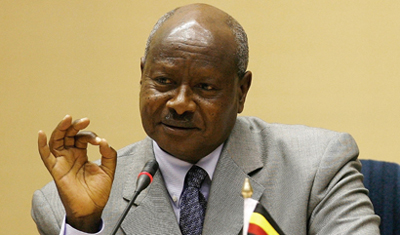
CPJ calls on Uganda’s Museveni to respect press freedom
In partnership with the Ugandan Human Rights Network for Journalists, CPJ has written a letter to Ugandan President Yoweri Museveni asking him to respect press freedom and end a wave of attacks against journalists in the run-up to the February 18 general elections. At least 10 journalists have been attacked in election-related incidents since the…
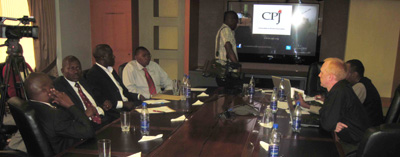
Nairobi Attacks launch probes investigative reporting
At CPJ’s book launch of our annual survey of press freedom conditions across the world, Attacks on the Press, today in Nairobi, we focused on the growing theme of challenges to investigative journalism in Africa, with a particular look at East Africa. The subject certainly resonated with the local and foreign journalists here.

As Uganda election nears, fear among reporters
As Ugandan journalists prepare to cover presidential elections on February 18 amid political tensions and security concerns, uncertainty and fear are on the minds of reporters. That’s particularly so after a year in which 52 press freedom abuses–ranging from physical and verbal intimidation to state censorship and murder–were recorded, according reports by Ugandan press freedom…
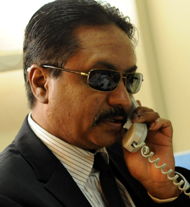
Mauritius no heaven for news media
American author Mark Twain once quoted a Mauritian as saying that heaven was copied after this Indian Ocean island paradise. Mauritius is cited today as one of the few havens of press freedom in Africa, but for Raj Meetarbhan, left, editor-in-chief of the island’s largest newspaper L’Express, the country is fast losing its glow.Meetarbhan was…
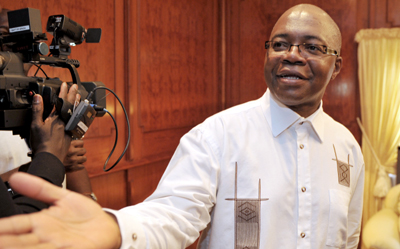
In Gabon, faux news draws real censorship
Last week, Gabon’s government-controlled National Communications Council ordered the TV station of opposition leader André Mba Obame off the air for a period of three months. The ruling is without appeal and, typically, this is how authorities in this oil-rich equatorial African state silence critical news outlets. Except that, this time, the “reporting” for which the…
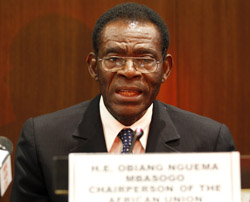
With abysmal press freedom record, Obiang takes AU chair
The African Union announced on Sunday that the president of Equatorial Guinea, Teodoro Obiang, will become the new chairman in the union’s yearly rotating leadership. The first debate Obiang (at left) presided over at the two-day AU conference that ends today in Addis Ababa, Ethiopia, concerned “shared values”–highlighting issues of democracy and good governance. Representing…