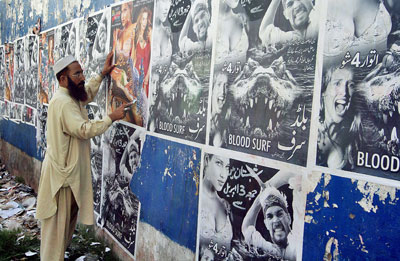
Pakistan’s excessive Internet censorship plans
Last month, Pakistan’s government put out requests for proposals for a massive, centralized, Internet censorship system. Explaining that “ISPs and backbone providers have expressed their inability to block millions of undesirable web sites using current manual blocking systems,” the state-run National Information Communications Technology Research and Development Fund said it therefore requires “a national URL…
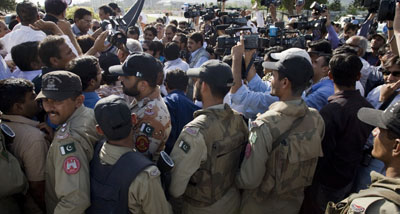
Threats and menace: Pakistan’s war on words
In Pakistan, the term “a war of words” can take on a menacing dimension beyond the metaphorical. Words–written, spoken, or reported–regularly land journalists in trouble, a very literal, physical sort of trouble. Reporters have become accustomed to being threatened, and over the years they’ve seen threats sometimes build to abductions, beatings, and even death. Such…
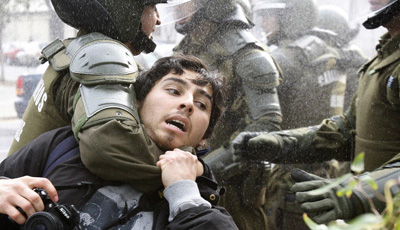
Attacks on the Press in 2011: Abolishing Censorship
Even as trade and new systems of communication turn us into global citizens, the information we need to ensure accountability often stops at national borders. New platforms like social media are valuable tools, but the battle against censorship is hardly over. By Joel Simon
Attacks on the Press in 2011: Profiles in Freedom
How does one negotiate the choice to stay and report potentially dangerous news, rather than take a less risky assignment, leave the profession, or flee the country? The recipients of the 2011 International Press Freedom Awards explain. By Kristin Jones
Attacks on the Press in 2011: Evolution in Journalist Security
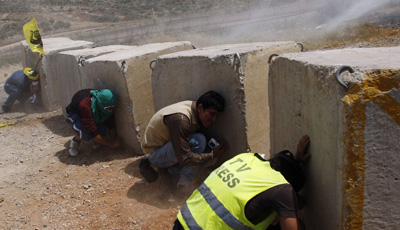
The danger of covering violent street protests has become a significant risk for journalists, alongside combat and targeted killings. Sexual assault, organized crime, and digital vulnerability are also hazards. The security industry is struggling to keep up. By Frank Smyth
Attacks on the Press in 2011: Pakistan
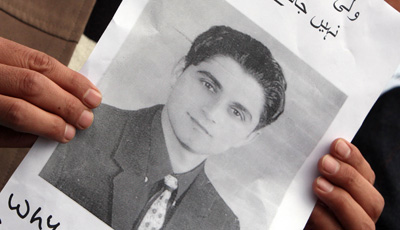
Meeting with a CPJ delegation in May, President Asif Ali Zardari committed his government to the pursuit of justice in journalist murders. But with seven journalists killed, five in targeted killings, Pakistan was the world’s deadliest country for the press for the second consecutive year. High-profile investigations into the drive-by shooting of Wali Khan Babar…