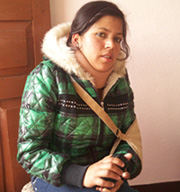
Nepalese journalist defiant after razor slashing
Tika Bista heard the word “journalist” for the first time while she was still at school in Rukum, in western Nepal. She saw journalists from Kathmandu taking pictures on their way to the village. It was love at first sight. She entered the world of journalism and began her career five years ago. Then last month, the love…
Casualties of foreign journalists mount in Afghanistan
New York January 11, 2010—The death of U.K.-based Sunday Mirror reporter Rupert Hamer, who was killed in an explosion outside a village in southern Afghanistan on Saturday, is an indicator of the rising danger for journalists in Afghanistan. The explosion also wounded Hamer’s colleague photographer Philip Coburn and took the life of a U.S. Marine.

CPJ calls for full pardon of Tissainayagam in Sri Lanka
New York, January 11, 2010 — The Committee to Protect Journalists welcomes the release on bail of Sri Lankan journalist J.S. Tissainayagam on Monday in Colombo, but calls on President Mahinda Rajapaksa to use his constitutional power to extend a full pardon and erase the 20 year sentence of “rigorous imprisonment” that was handed down…
Radio journalist survives shooting in Philippines
New York, January 8, 2010—Philippine authorities must quickly investigate the shooting of radio broadcaster Eugene Paet, an anchorman for Radio DWRS in Vigan city in Ilocos Sur province. According to local and international media reports, Paet, 47, was shot in the stomach by two gunmen on a motorcycle as he was on his way to…

One year later in Sri Lanka, little has changed
Even by Sri Lanka’s standards, January 2009 was a brutal month for journalists. On January 6, on a quiet road on the outskirts of Colombo, the country’s main independently owned TV station, Sirasa TV, was raided at 2:05 a.m. by 15 to 20 masked armed men working with military precision. At 2:35:31 they detonated an…
Burmese journalist handed 20-year prison sentence
New York, January 7, 2010—The Committee to Protect Journalists condemns the harsh sentencing of Hla Hla Win, a broadcast journalist with the Oslo-based Democratic Voice of Burma (DVB). She was sentenced to 20 years in prison on December 30 for violating the vague and draconian Electronic Act.
Five missing, apparently kidnapped in Afghanistan
New York, January 4, 2010—The Committee to Protect Journalists is concerned about the fate of two French journalists and their three Afghan colleagues, all apparently kidnapped while on assignment in the eastern province of Kapisa for France 3 public television station. The Afghan government reported them kidnapped on December 30. The names of the crew…
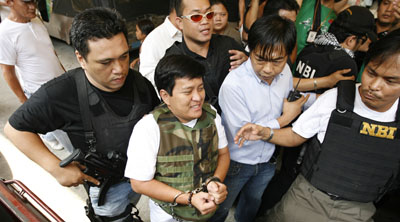
Maguindanao mourning period ends, and long road begins
January 1 marks the 40th day after the brutal killings of 57 people, including 31 journalists and media workers, in the Philippine province of Maguindanao. In the Philippine tradition, the day will be considered the “end of mourning.” But the pursuit of a just and thorough prosecution is only beginning, noted CPJ board member Sheila Coronel,…

Canadian journalist’s death is 17th in Afghanistan since 9/11
New York, December 31, 2009—The Committee to Protect Journalist extends condolences to the family and colleagues of Canadian journalist Michelle Lang, who died Wednesday while embedded with Canadian troops in Afghanistan.Lang was working for the Calgary Herald and Canwest News Service when she was killed along with four Canadian soldiers while traveling in a Canadian military convoy.…