In Japan, scenes of devastation
Here is a selection of photos by Japanese freelancer Hiro Ugaya showing the devastation in northeastern Japan caused by the March 11 earthquake and tsunami. Photos are copyright Hiro Ugaya and used with permission. View his full Picasa gallery here. In an interview on the CPJ Blog, Ugaya tells CPJ’s Madeline Earp how he covered…
Freelance, online reporting discouraged on nuclear threat
The Japanese government upped the danger rating for the disaster at the Fukushima Daiichi Nuclear Power Station to its highest level, 7, on Tuesday, a month after an earthquake and tsunami devastated the country. It was not yet clear whether the administration or the Tokyo Electric Power Company, which runs the plant, withheld the extent…
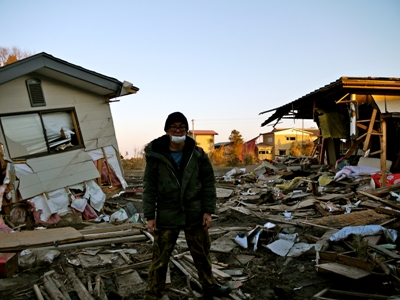
Freelancer Hiro Ugaya on covering Japan’s crisis
Following up on our post about the difficulties of covering the aftermath of the Japanese earthquake from outside the mainstream media, CPJ spoke with intrepid freelancer Hiro Ugaya, whom we first interviewed in 2010. “From April 2 to 8, I was traveling in tsunami-destroyed area in Tohoku, northeastern Japan,” he told CPJ by email from…
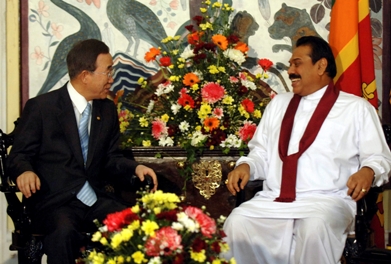
U.N. vows transparency on Sri Lanka abuses
The three-person panel of experts on Sri Lanka appointed in 2010 to look into possible war crimes during the decades-long conflict with Tamil secessionists submitted its findings to U.N. Secretary General Ban Ki-moon on Tuesday. That report should include the attacks on the news media that have become a reality for journalists working there.
Arrests made in Pakistani journalist’s January murder
New York, April 8, 2011–The Committee to Protect Journalists welcomes movement in the case of the murder of Geo TV reporter Wali Khan Babar in Karachi, and calls for a full prosecution to break a longstanding pattern of impunity in journalist murders in Pakistan. Police arrested five men they say carried out the killing in…
In Ai Weiwei coverage, a couple of unexpected notes
We reported Thursday that Chinese media reports on Ai Weiwei have reflected his ambiguous status in Chinese law. After several days in which Ai was considered missing, the Foreign Ministry acknowledged police were investigating him for “economic crimes” although it stopped short of saying he was detained. Coverage within China remains very limited, although there…
U.S. should press China on rights crackdown, Ai detention
New York, April 7, 2011–With China in the midst of a sweeping crackdown on public dissent, U.S. Secretary of State Hillary Clinton should follow the example of Britain and Germany and call for the immediate release of detained artist and social critic Ai Weiwei and other detained journalists and dissidents, the Committee to Protect Journalists…
European Parliament must speak out on China abuses
New York, April 6, 2011–The Committee to Protect Journalists calls on members of the European Parliament to strongly criticize the Chinese government’s apparent detention of artist and social activist Ai Weiwei. The European Parliament is convening an emergency debate Thursday on Ai’s disappearance, which may be the latest unlawful detention in the government’s onslaught against…