On International Women’s Day, CPJ recognizes nine female journalists jailed for their work
Coverage of protests and riots. Revelations of official corruption and graft. Major natural disasters. Investigations into deplorable living conditions. These are some of the important issues journalists cover in their role as the Fourth Estate.
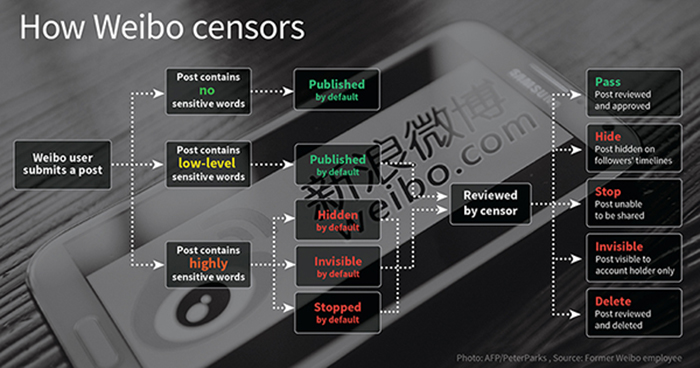
Read and delete: How Weibo’s censors tackle dissent and free speech
The Chinese microblogging site Weibo has a huge following, with around 100 million users posting every day. For those living in China, one of CPJ’s 10 most censored countries, the social network offers the chance to discuss and share news that is often blocked in mainstream outlets.
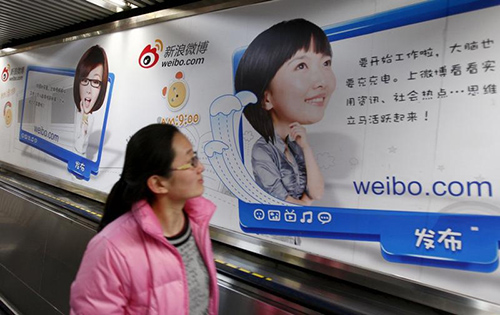
The business of censorship: Documents show how Weibo filters sensitive news in China
When journalists at the Guangdong-based Southern Weekly found that their 2013 new year editorial had been changed, without their knowledge, to exalt the virtues of the Communist Party, they took their outrage to the Chinese microblogging site Weibo.
Chinese journalist held on extortion charges
New York, January 28, 2016–Chinese authorities should immediately release Zhang Yongsheng, a reporter for the state-owned Lanzhou Morning Herald, who has been imprisoned since January 7, the Committee to Protect Journalists said today. On Monday, authorities accused Zhang of extortion.

As editor-informant Li Xin disappears, journalists share their experiences with China’s security services
The case of Li Xin, a journalist who disappeared in Thailand in January after telling the international press in November he had fled China after being forced to work for years as a government informant, has shed light on the pressures some journalists face to provide information to the authorities.

We’re live from Taipei! Please don’t tell China’s censors
Typically, news organizations like to promote original reporting. When an outlet covers a breaking news event at the time and from the place where the event is happening, they want their audience to know. However, for Chinese commercial media that covered this weekend’s presidential election in Taiwan, this was apparently not the case.
China, Egypt imprison record numbers of journalists
Egypt is second only to China as the world’s worst jailer of journalists in 2015. Worldwide, the number of journalists behind bars for their work declined moderately during the year, but a handful of countries continue to use systematic imprisonment to silence criticism. A CPJ special report by Elana Beiser