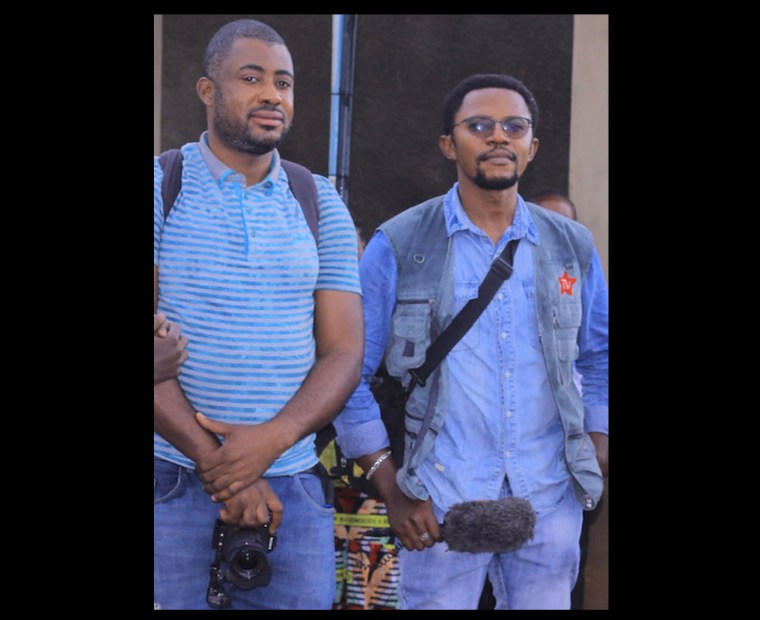
Kinshasa, May 13, 2026—The Committee to Protect Journalists calls on authorities in the Democratic Republic of the Congo to release journalist Stéphane Shisso, who was arrested in January after reporting on erosion caused by mining, and to ensure the safety of his colleague Guelord Shamba, who is in hiding.
“It is a grave injustice that DRC authorities have detained journalist Stéphane Shisso for more than four months, without bringing him before a court or disclosing charges against him,” said CPJ Africa Director Angela Quintal. “It is no surprise that journalist Guelord Shamba, who worked with Shisso, then fled. Authorities must guarantee his safety so that he can return home and reassure family and colleagues who have not heard from him since January.”
On January 6, 2026, soldiers from the presidential guard arrested Shisso, a camera operator for Nyota TV, owned by opposition politician Moïse Katumbi, took him to Kimbembe military camp in the southeastern city of Lubumbashi, and transferred him to the capital, Kinshasa, 10 local journalists told CPJ, on the condition of anonymity, citing fear of reprisal.
The journalists said that Shisso and Shamba had reported from Kolwezi, about 300 kilometers northwest of Lubumbashi, on damage from erosion caused by mining. The video, which was broadcast on Nyota TV and Mbengu TV, also owned by Katumbi, included interviews with residents denouncing local authorities’ failure to act.
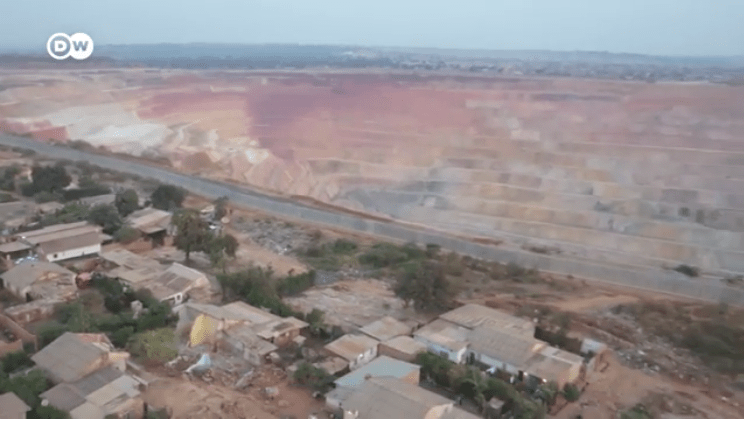
Kolwezi is a global center for mining cobalt, a mineral used in cell phones and electric car batteries. Rights groups say people are being forcibly evicted to make way for the giant mines.
Article 18 of the DRC constitution requires that anyone who is arrested must be “immediately informed of the reasons,” has the right to contact their family or legal counsel, and cannot be held for more than 48 hours before being released or transferred to a “competent judicial authority.”
Local media reported in mid-April that Shisso was being held in Kinshasa’s Ndolo military prison.
Three people close to Shamba told CPJ that he went into hiding, fearing attack or arrest, and they have not heard from him since late January. They believed that Shisso was arrested because of the duo’s report from Kolwezi.
Two of those people also told CPJ that Shamba and Shisso both recently lost their fathers and were unable to attend their funerals.
Government spokesperson Patrick Muyaya did not answer CPJ’s calls to request comment.