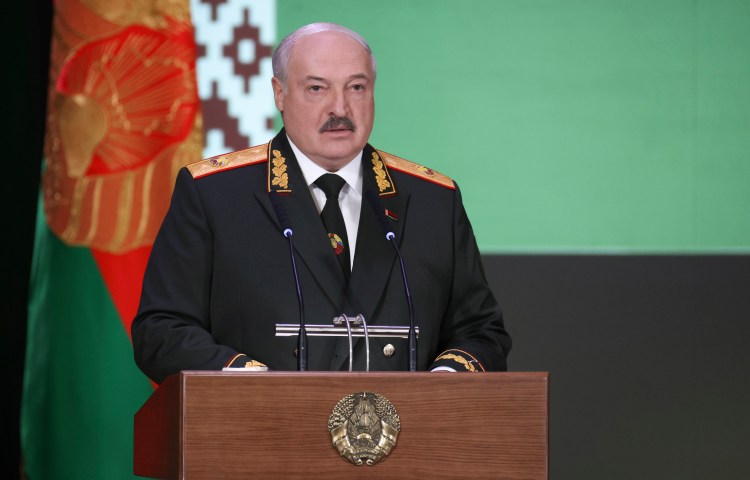
Belarus takes more than 20 ‘extremist’ news websites offline
New York, April 23, 2024—The Committee to Protect Journalists strongly condemns Belarusian authorities’ decision to cancel the domain names of news websites they labeled as “extremist” and calls for an end to the use of extremism legislation as a censorship tool to silence independent reporting. In an April 4 order, the Operational and Analytical Center (OAC)…

Indian journalists’ 2024 election concerns: political violence, trolling, device hacking
As the scorching summer peaks this year, India’s political landscape is coming to a boil. From April 19 until June 1, the world’s biggest democracy will hold the world’s biggest election, which the Hindu nationalist Bharatiya Janata Party (BJP) of Prime Minister Narendra Modi, who has been in power since 2014, is expected to win….
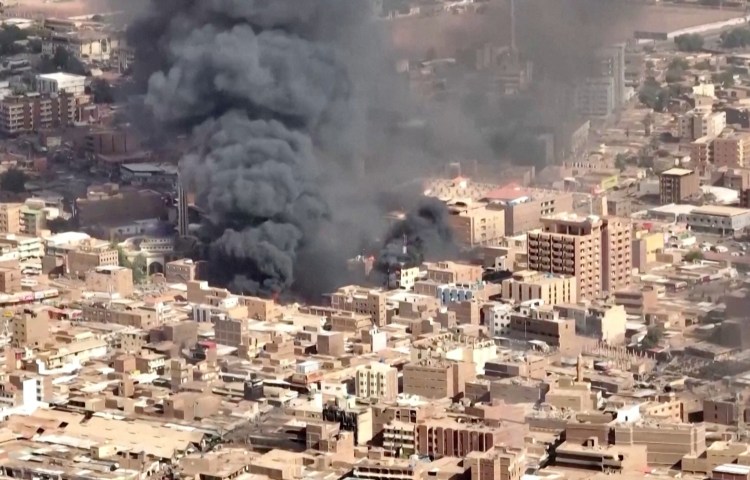
One year into Sudan’s civil war, its media faces grave threats
When fighting erupted in Sudan on April 15 of last year, local journalists quickly ran into difficulties reporting on the conflict roiling their country. As the Sudanese Armed Forces (SAF) and the Rapid Support Forces (RSF) – former allies who jointly seized power in a 2021 coup – engaged in street battles, journalists were assaulted,…
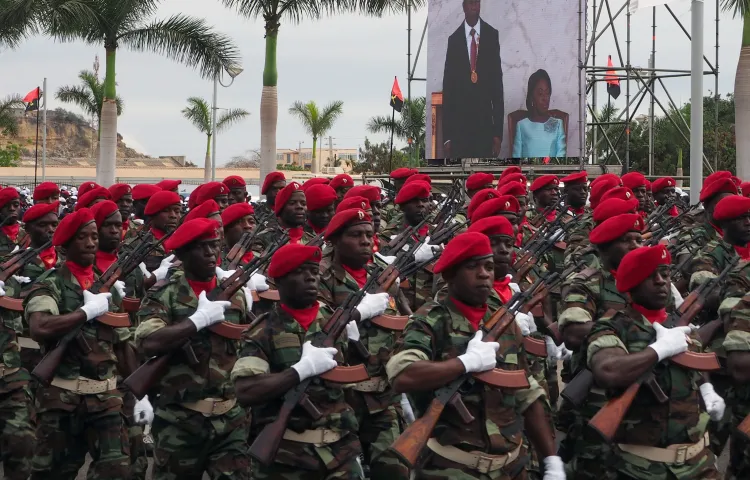
CPJ: Angola’s proposed national security law threatens press freedom, puts journalists at risk
New York, April 1, 2024–Angola’s proposed national security law could hinder the public’s right to information and severely undermine press freedom, further exposing journalists to harassment, intimidation, and censorship by authorities, the Committee to Protect Journalists said on Monday. The National Security Bill, which critics say threatens Angola’s democracy and could turn the country into…
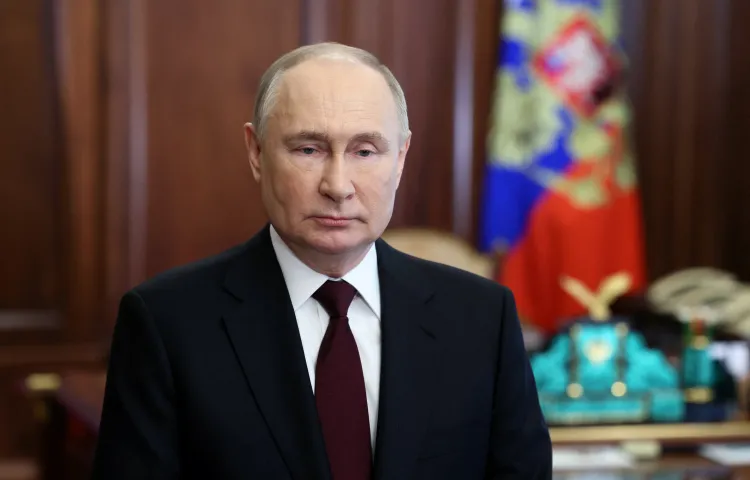
CPJ joins call for Russia to keep the internet on during presidential elections
The Committee to Protect Journalists joined #KeepItOn Coalition partners on Thursday in calling on Russian authorities and telecommunications providers to maintain free, open, and secure internet access before, during, and after presidential elections scheduled for March 15 to 17. The letter highlights Russia’s history of internet shutdowns, including the blocking of tech companies that refused…
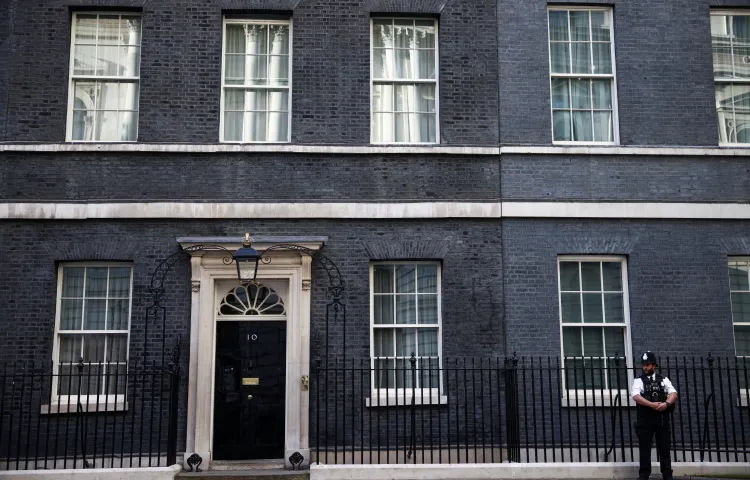
CPJ, media leaders demand UK police act on online abuse of women journalists
The Committee to Protect Journalists and more than 100 journalists and media leaders sent an open letter to senior British police officers and lawmakers on Friday, International Women’s Day, calling on them to break the cycle of online violence and abuse against women working in journalism, which risks sidelining them from the profession, and to…
As negotiations continue, the proposed UN Cybercrime Convention must not become a tool to undermine press freedom
The two-week session of negotiations on the draft UN Cybercrime Convention concluded on Friday, February 9, with member states unable to reach a consensus on critical aspects. Member states agreed to extend the negotiation process, with an additional session likely to be held in July 2024. Although the stated purpose of the treaty is to…
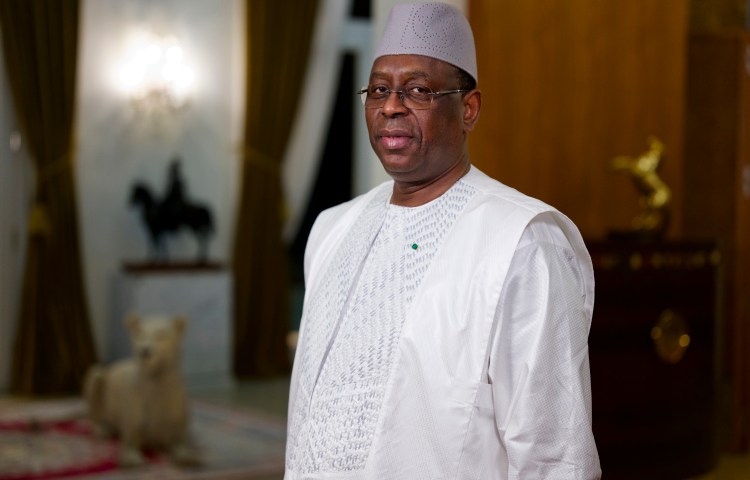
CPJ welcomes West African lawsuit against Senegal internet shutdowns
New York, February 13, 2024—The Committee to Protect Journalists welcomes the recent lawsuit filed against Senegal at the Economic Community of West African States (ECOWAS) Court of Justice challenging Senegal’s internet shutdowns in 2023 and seeking to prevent further shutdowns in the country. “The case brought against Senegal at the ECOWAS court is an important…
CPJ joins call urging Pakistan to reinstate internet access after election day suspension
On Thursday, the Committee to Protect Journalists, Access Now, and the #KeepItOn coalition strongly condemned the Pakistani caretaker government’s suspension of mobile services across the country during its elections and called for full internet access to be reinstated immediately. Read the full joint statement here.
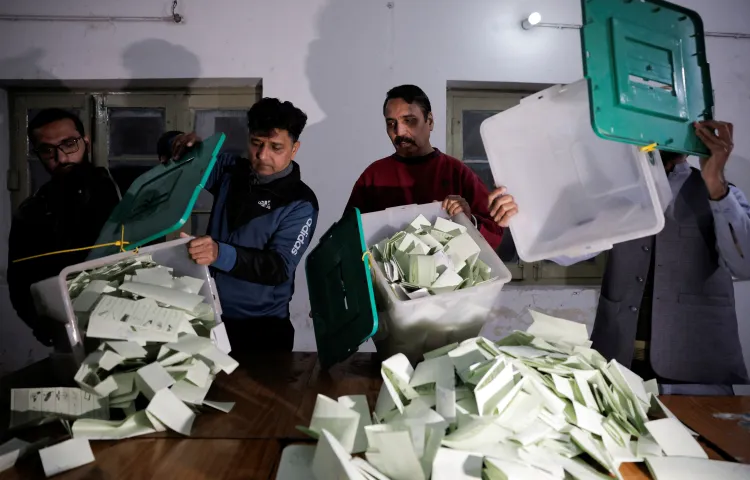
CPJ condemns phone and internet disruptions, barring of journalists during Pakistan election
New York, February 8, 2024—The Committee to Protect Journalists condemns the cell phone service suspension and widespread internet disruptions as Pakistan went to the polls on Thursday, with reports of journalists prevented from coverage in some areas. “Cutting off mobile communication services on an election day and preventing journalists from reporting from polling stations severely…