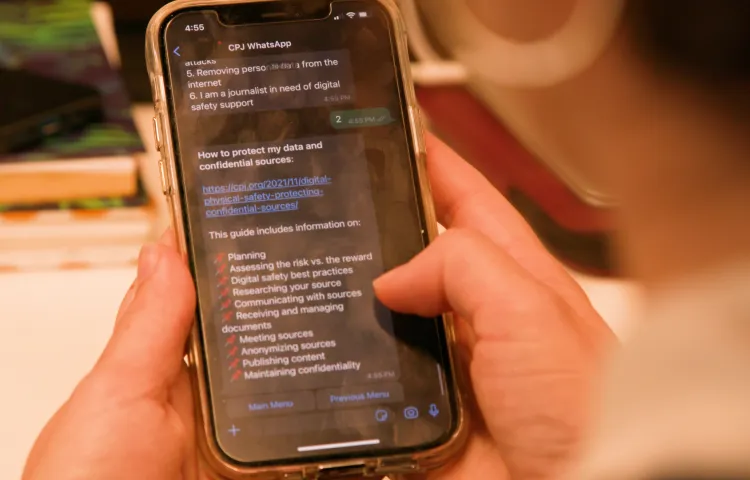
CPJ expands access to safety chatbot amid spiking threats to the press in a record year of global elections
New York, May 2, 2024—Ahead of World Press Freedom Day on May 3, the Committee to Protect Journalists (CPJ) today announced the launch of CPJ’s journalist safety chatbot, which equips journalists with safety information on their phones via WhatsApp. The tool will expand the reach and usability of CPJ’s suite of safety tools tailored for…
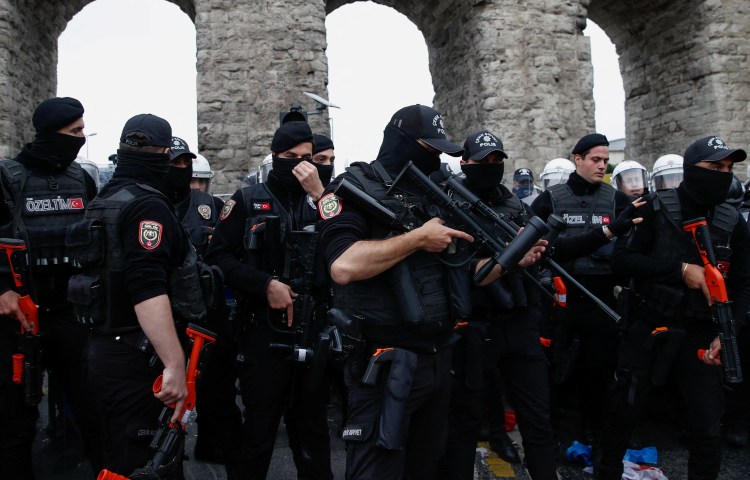
Istanbul police obstruct, tear gas, shoot at reporters during May Day march in Turkey
Istanbul, May 2, 2024—The Committee to Protect Journalists calls on Turkish authorities to refrain from targeting media workers present during demonstrations, ensure journalists can continue to report on matters of public interest safely, and hold those responsible for attacks to account. Amid bans on May Day celebrations, Istanbul police blocked a route in Istanbul’s Saraçhane…

CPJ urges Argentine President Javier Milei to end attacks on press freedom
São Paulo, April 30, 2024—Argentine President Javier Milei and his administration must immediately refrain from attacking press freedom, stigmatizing journalists, and allow journalists to do their jobs freely and without restrictions, the Committee to Protect Journalists said on Tuesday. During his first 100 days in office, a report by FOPEA, a local press freedom organization, found that…
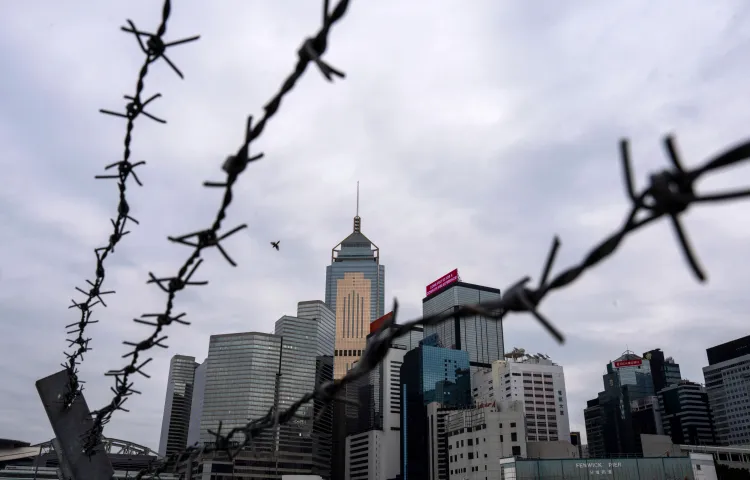
European Parliament calls for repeal of Hong Kong security laws
Brussels, April 25, 2024—The Committee to Protect Journalists welcomed Thursday’s call by the European Parliament for the repeal of two Hong Kong security laws that it said undermine press freedom and for the release of Jimmy Lai, founder of the now-shuttered pro-democracy newspaper Apple Daily. The parliamentary resolution condemned Hong Kong’s adoption last month of…
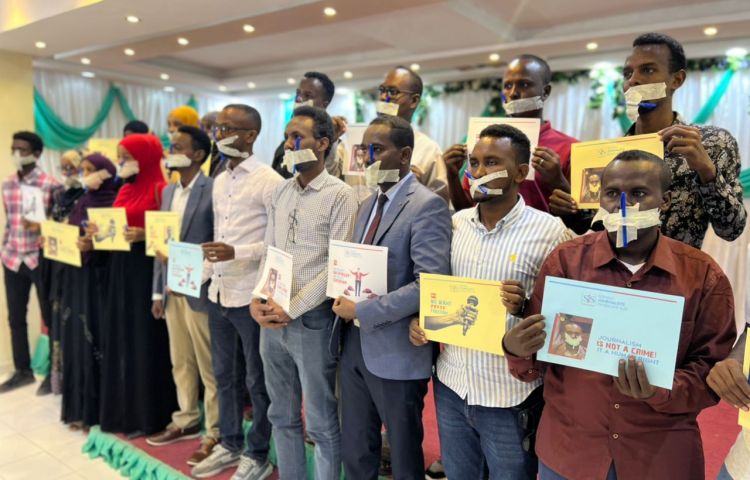
Somali authorities investigate media rights group, freeze its accounts
Kampala Uganda, April 19, 2024—Somali authorities should drop all criminal investigations against the Somali Journalists Syndicate and desist from weaponizing the judicial system to obstruct the work of the media rights organization, the Committee to Protect Journalists said on Friday. Two commercial banks, Premier Bank and Dahabshil Bank International told the Somali Journalists Syndicate (SJS)…

Indian journalists’ 2024 election concerns: political violence, trolling, device hacking
As the scorching summer peaks this year, India’s political landscape is coming to a boil. From April 19 until June 1, the world’s biggest democracy will hold the world’s biggest election, which the Hindu nationalist Bharatiya Janata Party (BJP) of Prime Minister Narendra Modi, who has been in power since 2014, is expected to win….
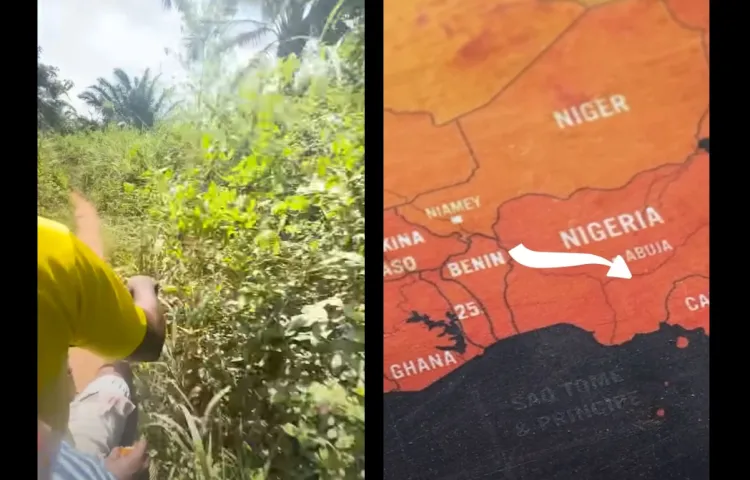
Police investigate Nigeria’s Foundation for Investigative Journalism after corruption coverage
Abuja, April 16, 2024—Nigerian authorities should immediately drop their investigation into the Foundation for Investigative Journalism (FIJ) and its founder, the award-winning undercover reporter, Fisayo Soyombo, and stop intimidating the chairperson of FIJ’s board of trustees, Bukky Shonibare, the Committee to Protect Journalists said Tuesday. On February 21, Soyombo published an investigation detailing how he…
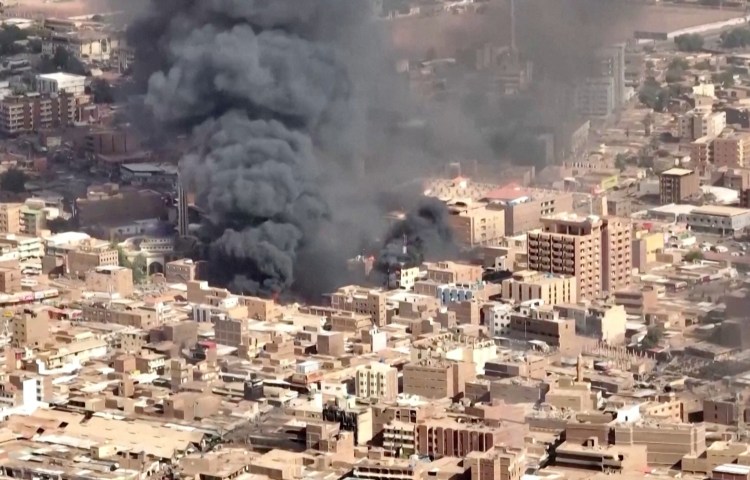
One year into Sudan’s civil war, its media faces grave threats
When fighting erupted in Sudan on April 15 of last year, local journalists quickly ran into difficulties reporting on the conflict roiling their country. As the Sudanese Armed Forces (SAF) and the Rapid Support Forces (RSF) – former allies who jointly seized power in a 2021 coup – engaged in street battles, journalists were assaulted,…
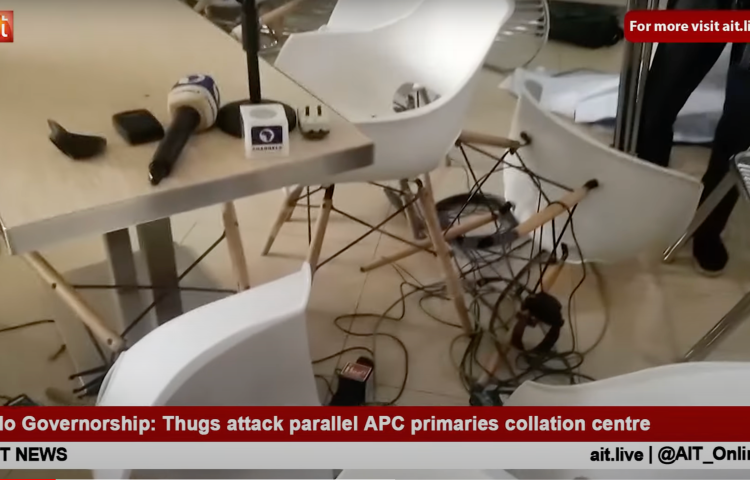
Nigerian soldiers hit and detain journalist Dele Fasan, thugs attack 3 journalists covering election
On February 23, at least seven soldiers arrested and handcuffed journalist Dele Fasan and hit him with a gun as he filmed at the scene of a planned protest in Nigeria’s southern Delta State, according to news reports and Fasan, who spoke to CPJ by phone. Fasan, regional bureau chief for the privately owned Galaxy…
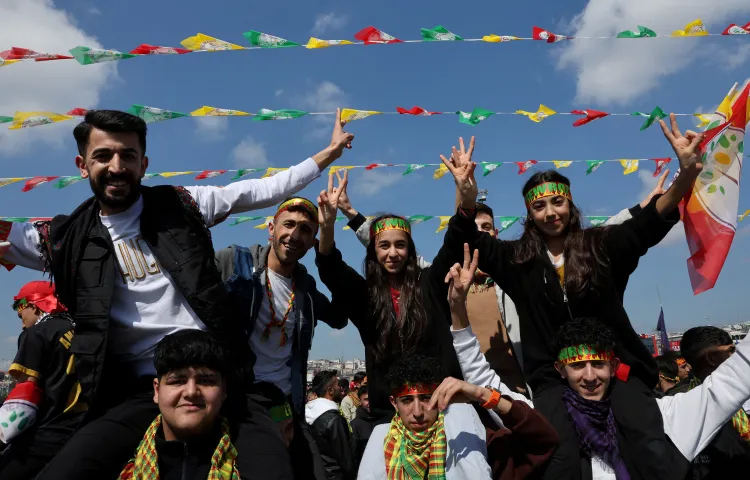
Istanbul police harass reporters at Kurdish Newroz celebration
Istanbul, March 19, 2024 – The Committee to Protect Journalists urges Turkish authorities to investigate reports of police harassment of three reporters during Kurdish spring Newroz celebrations in Istanbul on Sunday. On Sunday, March 17, Police officers in Istanbul harassed at least three reporters in two separate incidents while they were covering a mass arrest…