Voice News website, social media accounts attacked in Pakistan
On February 17, 2023, an unfamiliar account hijacked a Facebook page run by private broadcaster Voice News and published posts that staff fear may trigger harassment or criminal investigation, according to Ahmer Shaheen, the CEO and chief editor, who spoke to CPJ in a phone interview. The broadcaster’s website and second Facebook page have also…
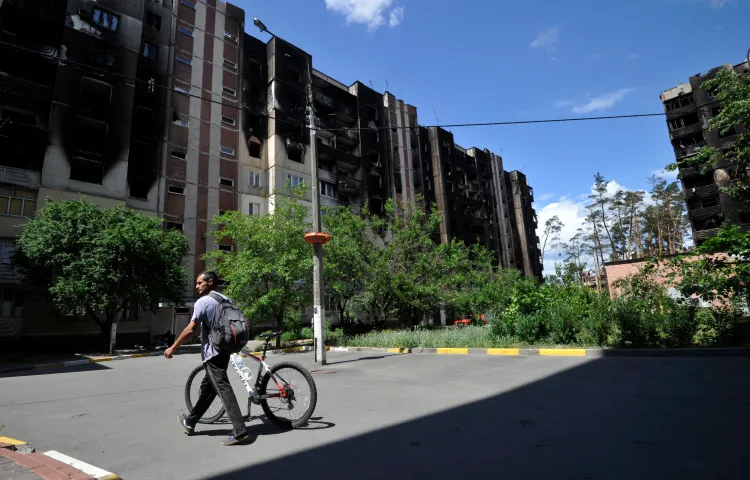
Russia-Ukraine watch
How the war is affecting press freedom in the region Updated June 16, 2022 Russia’s February 24 full-scale invasion of Ukraine marked a sharp escalation in threats to press freedom in the region and beyond. Journalists in Ukraine have been killed covering the war, while many of their Russian counterparts have fled or faced persecution….
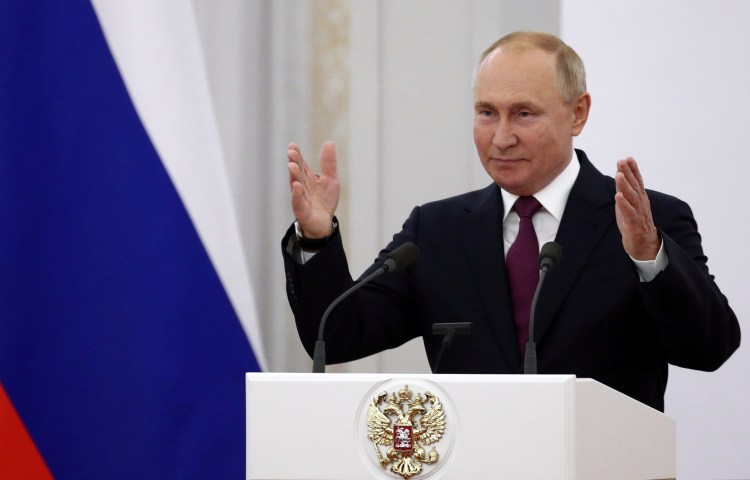
Russia further blocks media outlets, social media
New York, March 4, 2022 – Russian authorities should allow all local and international media outlets and social media platforms to operate freely, the Committee to Protect Journalists said Friday. Russian state media regulator Roskomnadzor on Friday, March 4, blocked access to several news websites, including those of BBC Russian, German public broadcaster Deutsche Welle,…
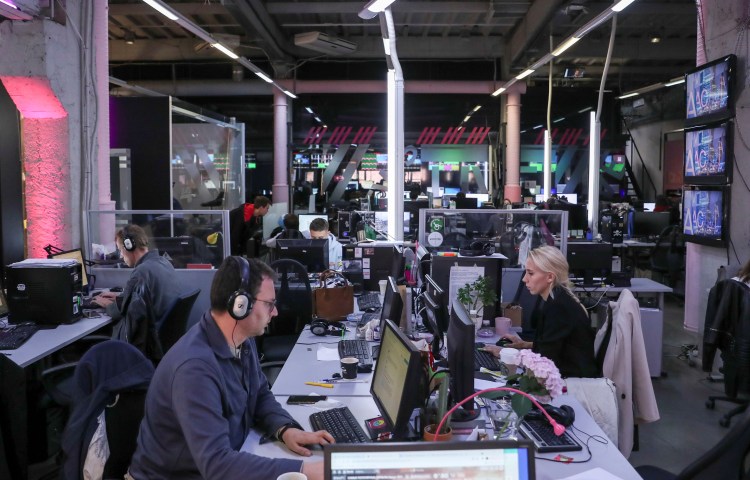
Russia blocks Ekho Moskvy and Dozhd TV, restricts social media access
Washington, D.C., March 1, 2021 — Russian authorities should allow Ekho Moskvy (Echo of Moscow), Dozhd TV, and all other news outlets to work freely, and should refrain from restricting access to social media platforms, the Committee to Protect Journalists said Tuesday. Since last week, Russian authorities have slowed and restricted access to Facebook and…
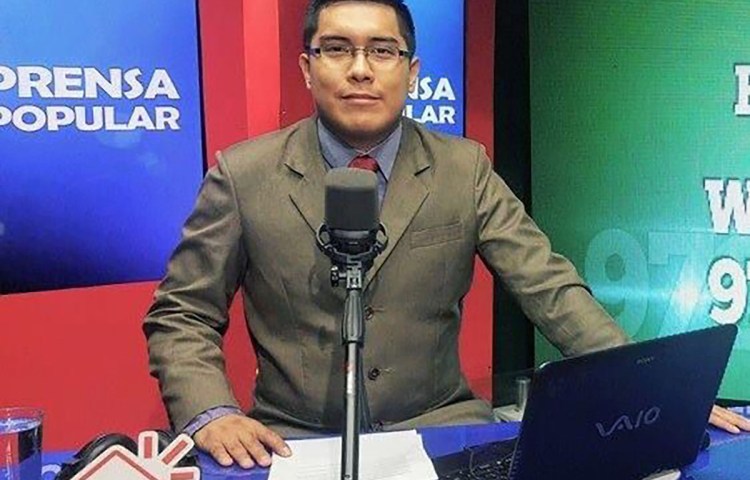
Peruvian journalist receives threatening messages, demands to stop reporting on local officials
Bogotá, December 9, 2021 – Peruvian authorities must thoroughly investigate death threats against journalist Jairo Roque Gómez and hold the perpetrators to account, and local officials should refrain from using the country’s outdated defamation laws to threaten reporters, the Committee to Protect Journalists said today. On December 1, Roque, editor of the independent Diario Hechicera…
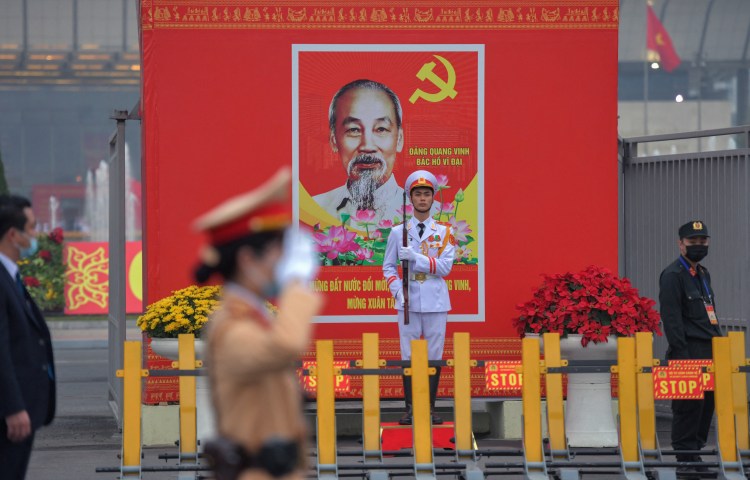
Vietnam sentences independent reporter Tran Thi Tuyet Dieu to 8 years in prison
Bangkok, April 26, 2021 – The Committee to Protect Journalists today strongly condemned the conviction and severe prison sentence given to Vietnamese journalist Tran Thi Tuyet Dieu and called for her immediate and unconditional release. On April 23, the People’s Court in Phu Yen province convicted Dieu under Article 117 of the penal code, an anti-state provision that bans “creating, storing and disseminating information and materials” against the state, and sentenced her…
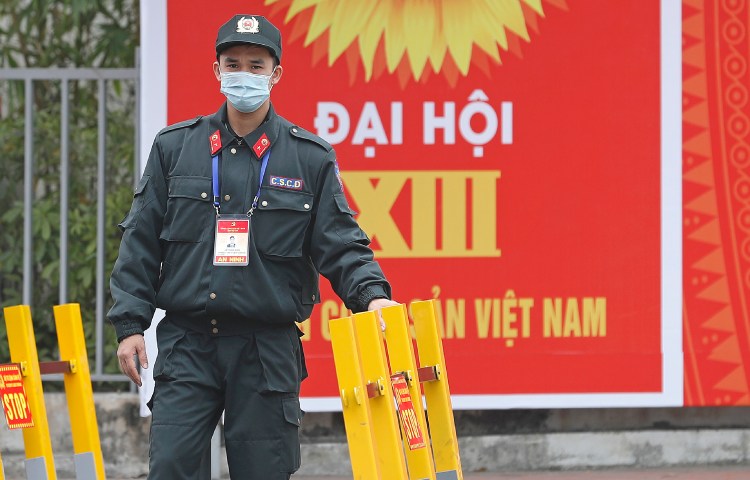
Vietnam detains journalist Nguyen Hoai Nam for alleged anti-state crimes
Bangkok, April 14, 2021 – Vietnamese authorities should immediately release journalist Nguyen Hoai Nam, drop any pending charges against him, and stop jailing journalists on trumped-up anti-state allegations, the Committee to Protect Journalists said today. On April 3, authorities in Ho Chi Minh City detained Nam, an independent journalist who publishes commentary and reporting on…
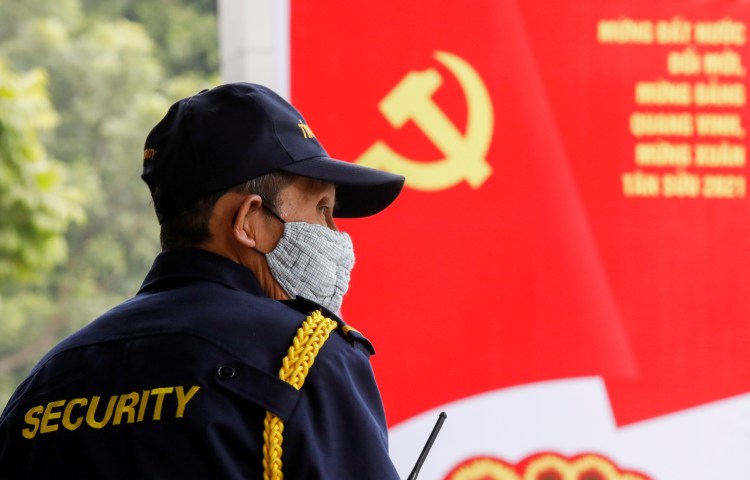
Vietnamese reporter Phan Bui Bao Thy detained over critical Facebook posts
Bangkok, February 18, 2021 – Vietnamese authorities should immediately and unconditionally release journalist Phan Bui Bao Thy and stop jailing reporters for their work, the Committee to Protect Journalists said today. On February 10, police in Vietnam’s central Quang Tri province arrested Thy, bureau chief of the state-run Giao Duc Va Thoi Dai (Age and Education) news…
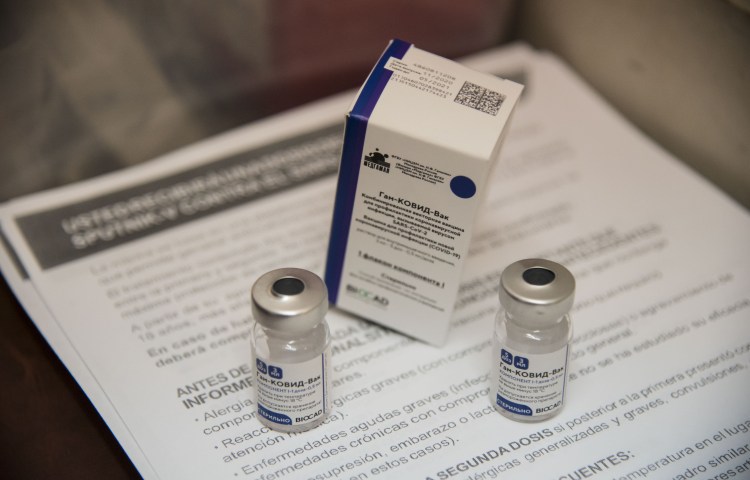
Argentine municipal government files criminal complaint over journalist’s COVID-19 vaccine reporting
Miami, January 20, 2021— Argentine authorities should drop their criminal complaint against journalist Roberto Carrigall and allow him to work freely, the Committee to Protect Journalists said today. On January 13, the municipality of Quilmes, a city in Buenos Aires province, filed a criminal complaint to a federal court over Carrigall’s reporting on the municipal government’s…
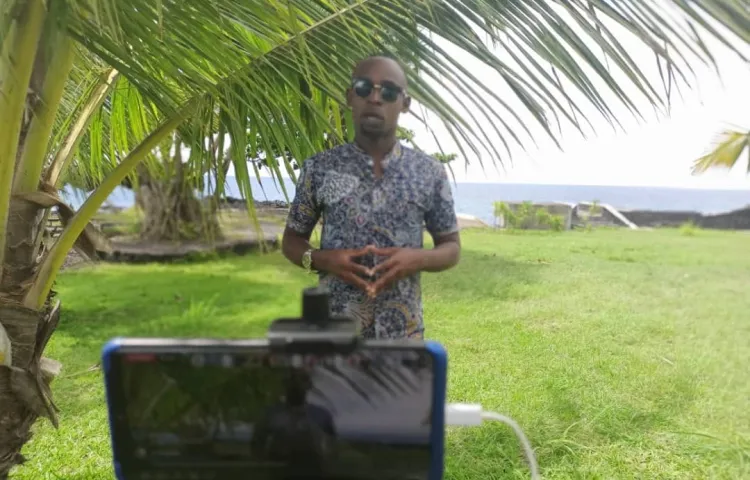
Comoros journalist Oubeidillah Mchangama held for 3 days over Facebook posts
New York, December 22, 2020 — Comorian authorities should drop all legal proceedings against journalist Oubeidillah Mchangama and allow him to report freely, the Committee to Protect Journalists said today. On December 14, Comorian authorities arrested Oubeidillah, a reporter with Facebook-based news outlet FCBK FM, and held him at a remand center in Moroni, the…