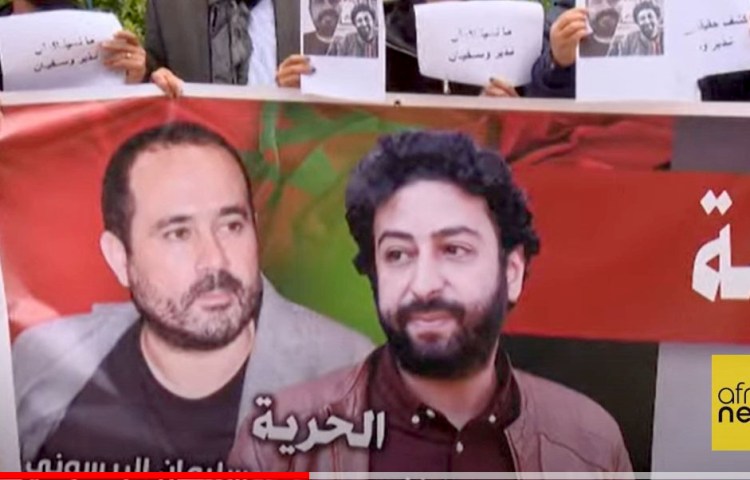
Morocco prison confiscates journalist’s letter to wife, prompting hunger strike
New York, March 4, 2024—The Committee to Protect Journalists condemns Moroccan prison authorities’ decision to prevent imprisoned journalist Soulaiman Raissouni from sending a letter to his wife and urgently calls for his immediate release. After authorities in the Ain Borja prison confiscated and withheld a letter meant for his wife, Raissouni, editor-in-chief of independent newspaper Akhbar…
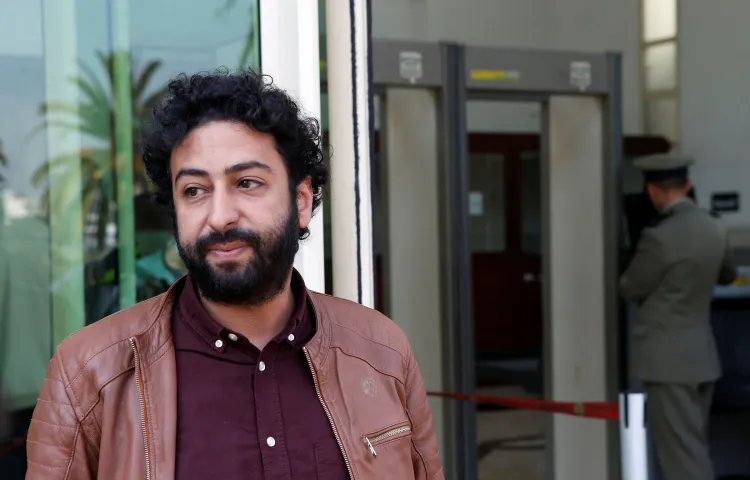
Morocco denies jailed journalist Omar Radi post-surgical care in hospital
New York, October 17, 2023—Moroccan authorities must immediately release journalist Omar Radi, and transfer him to a hospital to recover from surgery on a broken arm, the Committee to Protect Journalists said Tuesday. On Wednesday, Radi—who is serving a six-year jail term—broke his right arm in prison in Tiflet and was transferred to a hospital…
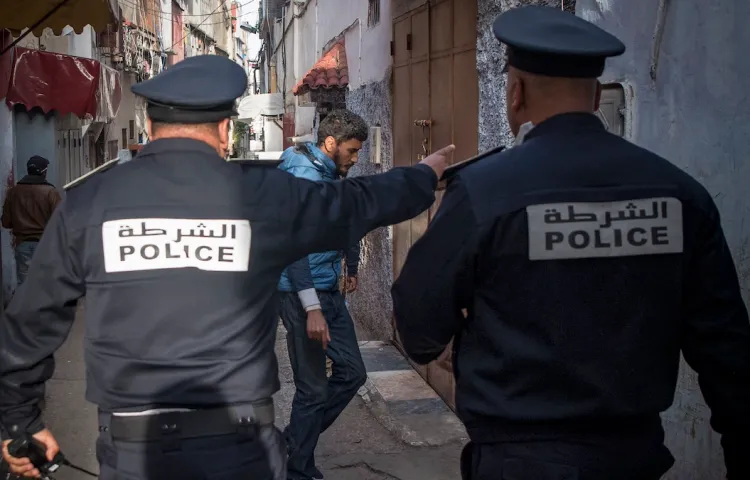
Moroccan authorities briefly arrest journalist Abdelmjid Amyay, ban Abdellatif al-Hamamouchi from traveling
On October 5, 2023, Moroccan police arrested journalist Abdelmjid Amyay, director of local independent news website Chams Post, at a coffee shop in the northeastern city of Oujda and detained him for one night for sharing articles about corruption in the city on his personal Facebook page, according to news reports. The following day, authorities…
Morocco expels French journalists Quentin Müller and Thérèse Di Campo
Around 3 a.m. on September 20, about 10 plainclothes police officers arrested French journalists Quentin Müller and Thérèse Di Campo in their hotel in Morocco’s largest city, Casablanca, and expelled them for their reporting on the rule of King Mohamed VI – a topic considered taboo in the country. Müller, a staff reporter with the…
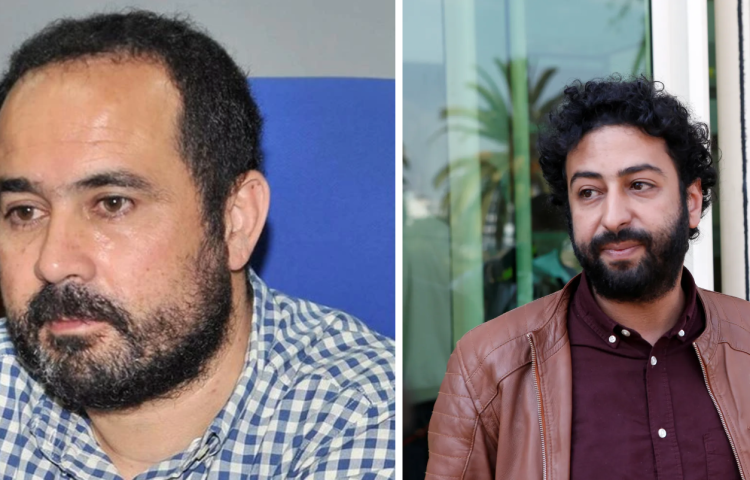
CPJ condemns Moroccan court’s rejection of appeals by jailed journalists Soulaiman Raissouni and Omar Radi
New York, July 19, 2023 – In response to news reports that the Moroccan court of cassation in Rabat on Tuesday rejected the final appeals of jailed journalists Soulaiman Raissouni and Omar Radi, the Committee to Protect Journalists issued the following statement of condemnation: “We are deeply disappointed by the court’s decision to keep Soulaiman…
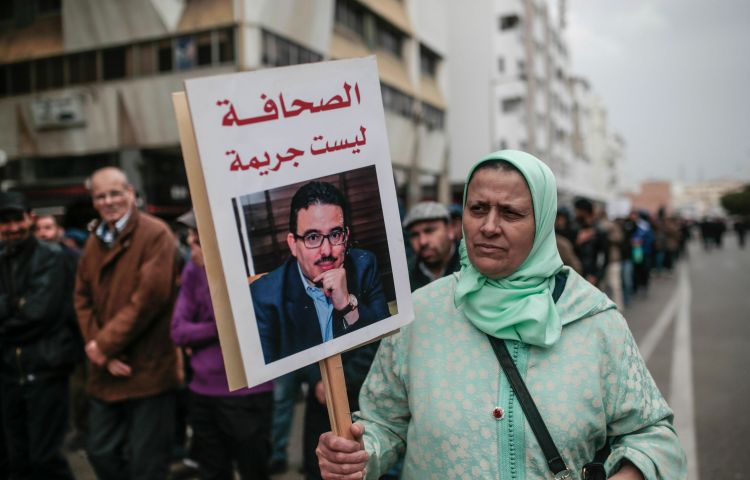
CPJ calls for Morocco to release journalist Taoufik Bouachrine 5 years after his arrest
CPJ has joined 41 other rights groups urging Moroccan authorities to immediately release journalist Taoufik Bouachrine, former editor-in-chief of local independent newspaper Akhbar al-Youm, on the fifth anniversary of his arrest in 2018. Bouachrine is serving a 15-year prison sentence on sexual assault charges that were brought in retaliation for his reporting. The joint statement…
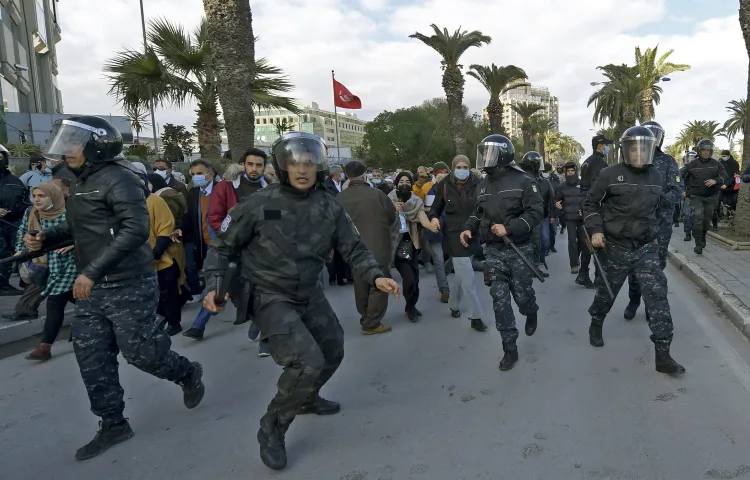
CPJ submits reports on Tunisia, Algeria, and Morocco to United Nations Universal Periodic Review
The human rights records of Tunisia, Algeria, and Morocco are under review by the United Nations Human Rights Council through the Universal Periodic Review (UPR). This U.N. mechanism is a peer-review process that surveys the human rights performance of member states, monitoring progress from previous review cycles, and presents a list of recommendations on how a…
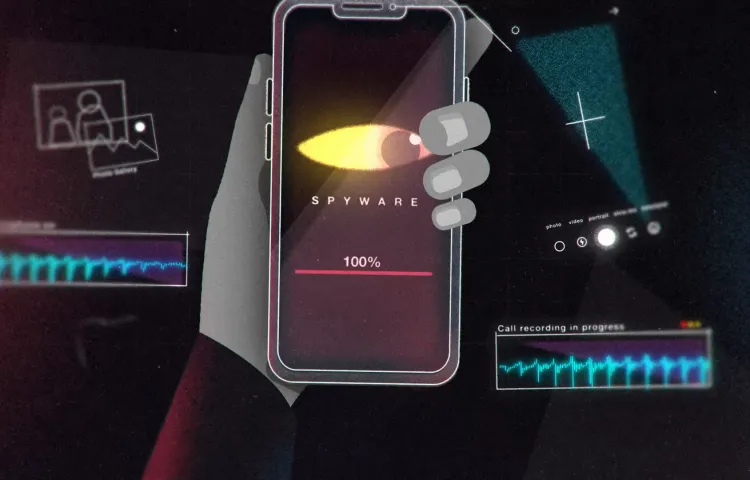
Special report: When spyware turns phones into weapons
How zero-click surveillance threatens reporters, sources, and global press freedom By Fred Guterl Published October 13, 2022 Aida Alami has always been wary of surveillance. As a journalist from Morocco, a state with a track record of intercepting phone calls and messages of political rivals, activists, and journalists, she habitually took precautions to protect her…
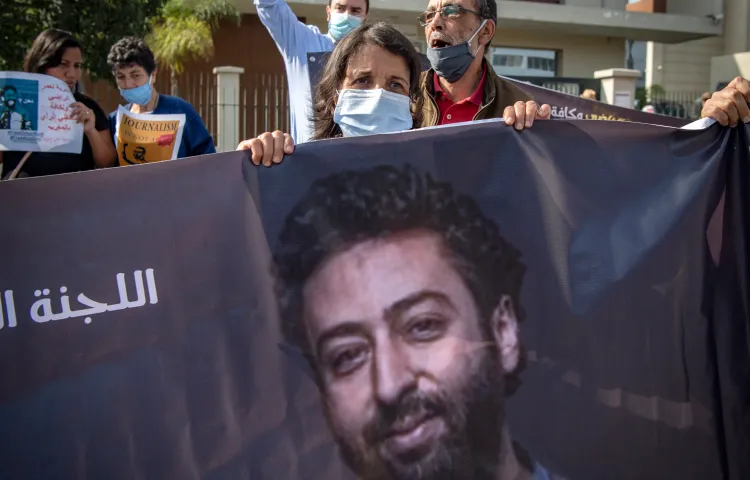
In Morocco, journalists – and their families – still struggle to cope with spyware fears
By CPJ MENA Staff Last July, when the Pegasus Project investigation revealed that imprisoned Moroccan journalist Soulaiman Raissouni was selected for surveillance by Israeli-made Pegasus spyware, the journalist could only laugh. “I was so sure,” his wife Kholoud Mokhtari said Raissouni told her from prison. Raissouni is one of seven local journalists named by the…