Editor Tamás Bodoky on threats to Hungary’s independent media funding
“Átlátszó” means “transparent” in Hungarian. Since launching an independent nonprofit media outlet under that name, editor-in-chief Tamás Bodoky and his colleagues have worked hard to live up to it, publishing detailed funding reports on their website, he told CPJ in a recent interview. But that hasn’t stopped pro-government institutions from accusing Átlátszó of serving foreign…
David Kaye: Here’s what world leaders must do about spyware
In late June, the general counsel of NSO Group, the Israeli company responsible for the deeply intrusive spyware tool, Pegasus, appeared before a committee established by members of the European Parliament (MEPs). Called the PEGA Committee colloquially, the Parliament established it to investigate allegations that EU member states and others have used “Pegasus and equivalent…
Hungarian journalists targeted by spyware have little hope EU can help
Szabolcs Panyi was not even remotely surprised when Amnesty International’s tech team confirmed in 2021 that his cell phone had been infiltrated by Pegasus spyware for much of 2019. Panyi, a journalist covering national security, high-level diplomacy, and corruption for Hungarian investigative outlet Direkt36, had already long factored into his everyday work that his communications…
Hungarian journalists fear Orbán will use election win to tighten grip on independent media
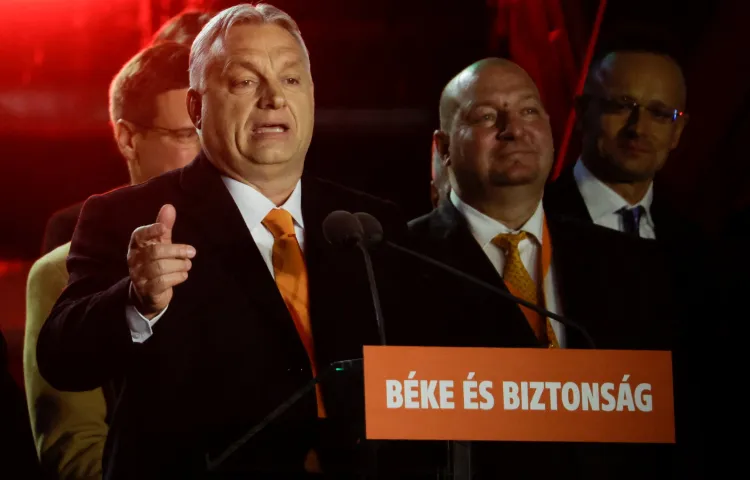
As Hungary’s right-wing Prime Minister Viktor Orbán celebrated his landslide election win on Sunday with jubilant jibes at the European Union’s “bureaucrats in Brussels” and international media, the country’s independent journalists braced themselves for an even harsher media climate during his Fidesz party’s unprecedented fourth consecutive term in office. Orbán has systematically eroded Hungary’s independent…
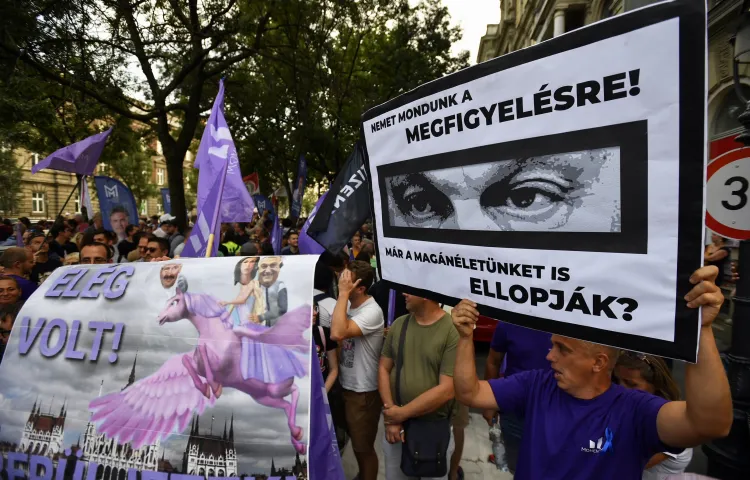
Hungary’s Szabolcs Panyi on how Pegasus surveillance has hindered his reporting
It took five months for Hungary to acknowledge publicly that it had bought the Pegasus spyware allegedly used to hack the phones of hundreds around the world. In November, Lajos Kósa, a top official from Hungary’s ruling Fidesz party, acknowledged the purchase in a media interview after a parliamentary meeting; Minister of the Interior Sándor…
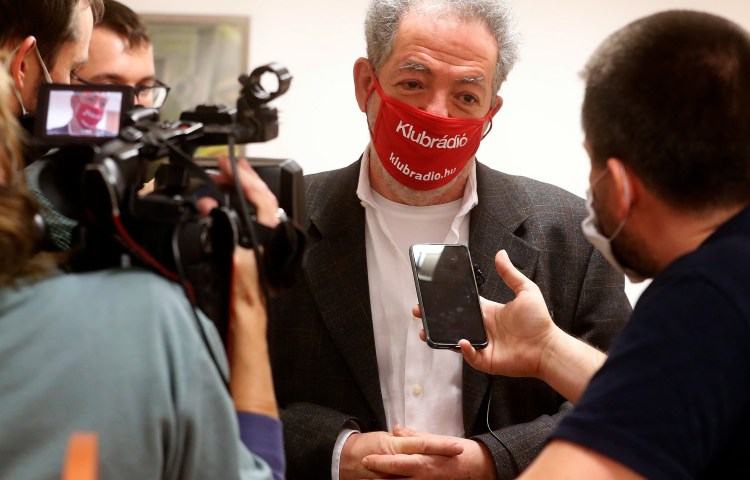
Hungary’s Klubrádió owner András Arató on how the station is responding to the loss of its broadcast license
After more than 10 years providing a key platform for reporters and listeners to voice criticism of Hungary’s Prime Minister Viktor Orbán via FM radio, the Budapest-based Klubrádió station is now operating entirely online after authorities blocked its broadcasting license. The move was the culmination of a long campaign to force the station off air,…
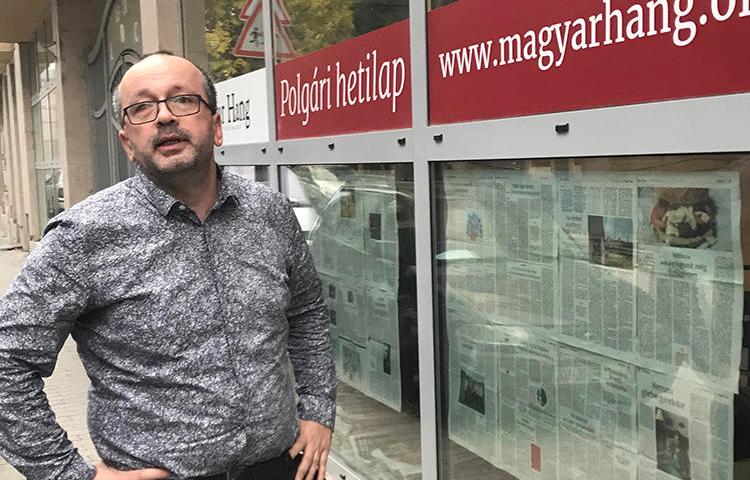
Hungarian journalist Csaba Lukács on covering COVID-19 amid attacks on independent media
In 2018, a group of conservative journalists opposed to Hungarian Prime Minister Viktor Orbán and his right-wing government launched Magyar Hang, an independent weekly magazine. Since then, government officials and their supporters have repeatedly harassed employees of the magazine, calling them “traitors” for opposing Orbán, accusing them of spreading fake news, and threatening them with…

Hungary’s media control unprecedented in EU, joint mission finds
Since 2010, the Hungarian government has achieved a degree of media control unprecedented in an EU member state, seven international organizations, including the Committee to Protect Journalists, said in a statement released today. The organizations urged the EU “to take all available measures to respond.”
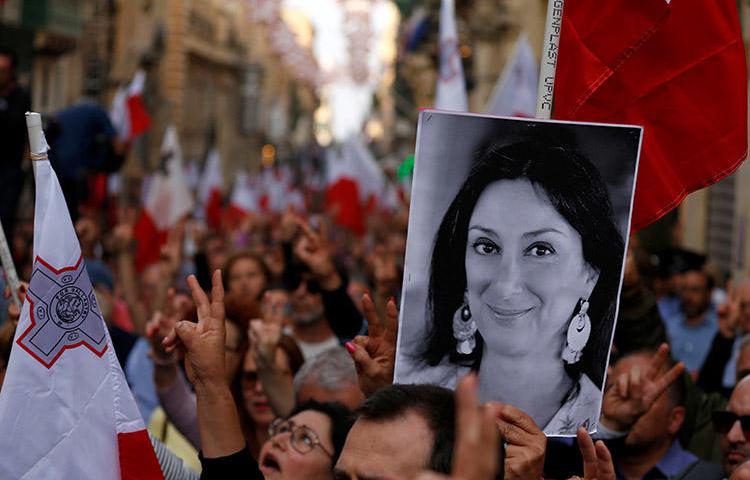
Make solving journalist murders a priority, CPJ tells US Helsinki Commission
“Being a reporter in much of the world is dangerous work. Being an investigative reporter can be deadly,” CPJ Deputy Executive Director Robert Mahoney told the U.S. Commission on Security and Cooperation in Europe, known as the Helsinki Commission, at a briefing in Washington, D.C. today.
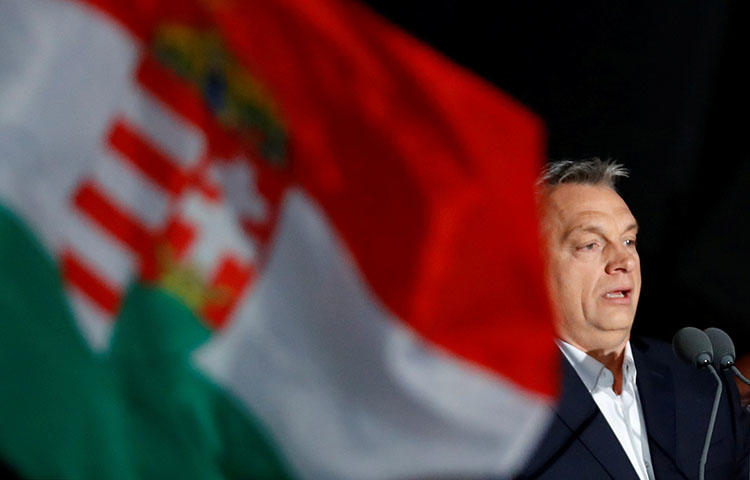
Independent journalists in Hungary brace for tough times in next Orbán term
As Hungary’s new Parliament holds its first session, where Prime Minister Viktor Orbán is due to form his third consecutive government after a landslide re-election a month ago, journalists critical of his power will closely monitor his words for hints of what awaits them in the next four years.