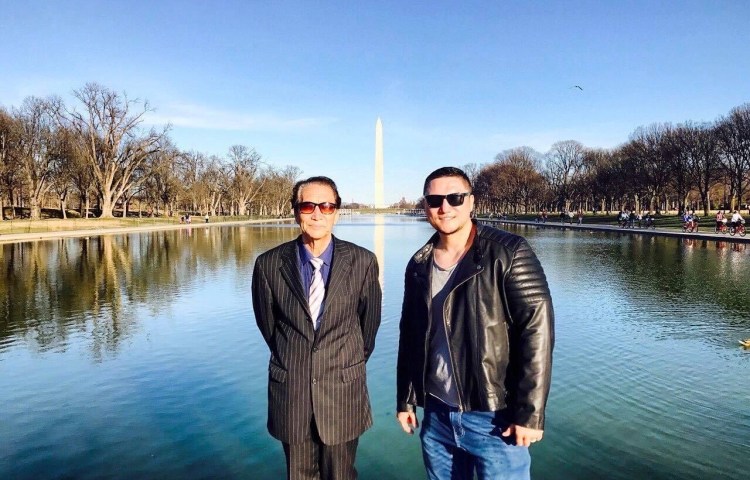
‘I couldn’t remain silent’: Son fights for Uyghur journalist’s release from Chinese prison
The last time Bahram Sintash saw his journalist father was in 2017. Qurban Mamut, an influential Uyghur editor had come to the United States for a visit but upon his return to Xinjiang in northwest China, he disappeared. Sintash later learned that his father had been swept up in China’s 2017 crackdown on Uyghurs and…
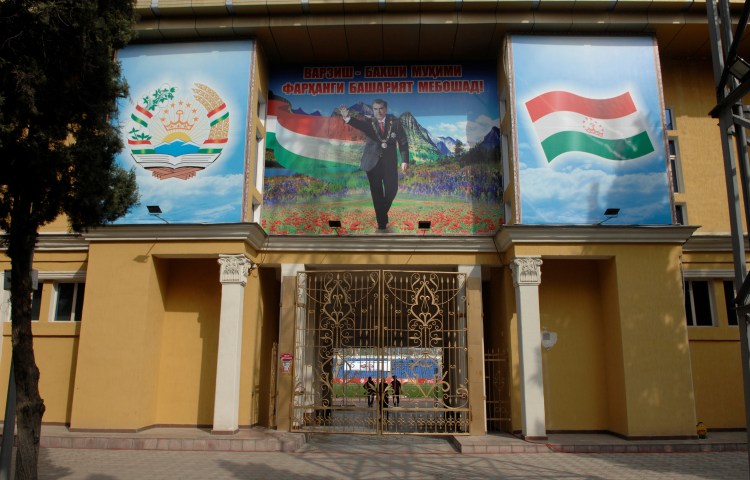
In Tajikistan, independent media throttled by state repression
Giant portraits of President Emomali Rahmon adorn even the most nondescript buildings in Tajikistan’s capital of Dushanbe. Throughout the country, his sayings are featured on posters and billboards. Their ubiquitous presence underscores the consolidation of power by Rahmon – officially described as “Founder of Peace and Unity, Leader of the Nation” – since he emerged…

Tipping the scales: Journalists’ lawyers face retaliation around the globe
The smears began the day Christian Ulate began representing jailed Guatemalan journalist José Rubén Zamora: tweets accusing the lawyer of being a leftist or questioning his legal credentials. He began to fear he was being surveilled. Ulate had taken over the case in August 2022 from two other lawyers, Romeo Montoya García and Mario Castañeda,…

Mahoney: The lingering legacy of China’s COVID-19 censorship
One time she drew flowers on a letter to her ailing mother from her Chinese prison cell. Another time it was pictures of penguins. The drawings were a good sign. Zhang Zhan, the journalist jailed for her COVID-19 reporting from Wuhan, is maybe doing better. The 39-year-old Shanghai lawyer-turned social media reporter was one of…
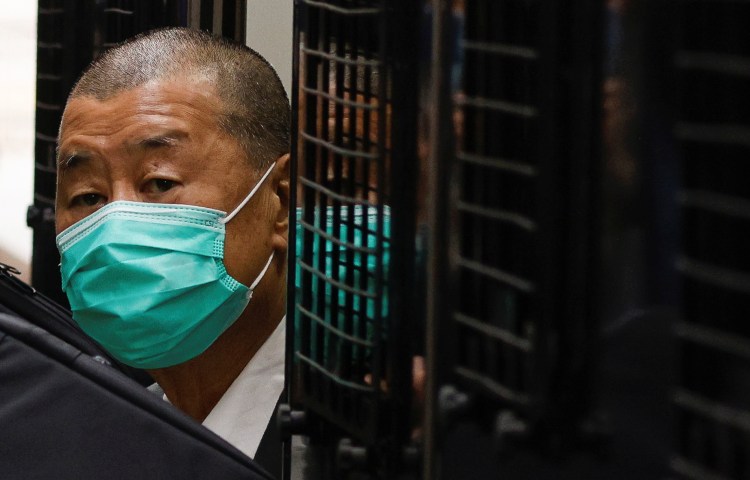
CPJ submits evidence on Hong Kong media freedom to UK parliamentary group
Hong Kong has seen a dramatic decline in media freedom since Beijing implemented a national security law on June 30, 2020, with a significant impact on the city’s freedom of expression and media pluralism, which saw journalists arrested, jailed, and threatened, according to evidence CPJ submitted earlier this month to the All-Party Parliamentary Group (APPG)…
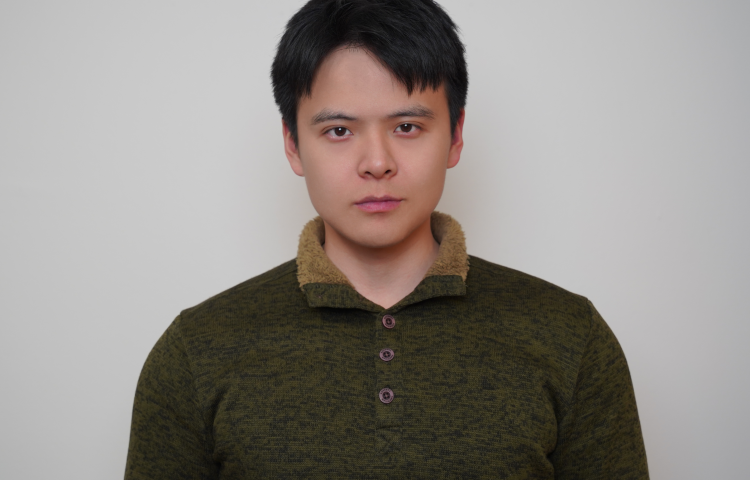
Chinese journalist held for reporting on Wuhan COVID outbreak wishes he’d done more
When reports of a novel respiratory virus spreading through Wuhan began to surface in early 2020, a few independent video journalists rushed to the city. Among them was Li Zehua, a former journalist for state broadcaster CCTV, who goes by the name Kcriss Li. Giving the slip to officials chasing down reporters who challenged the…
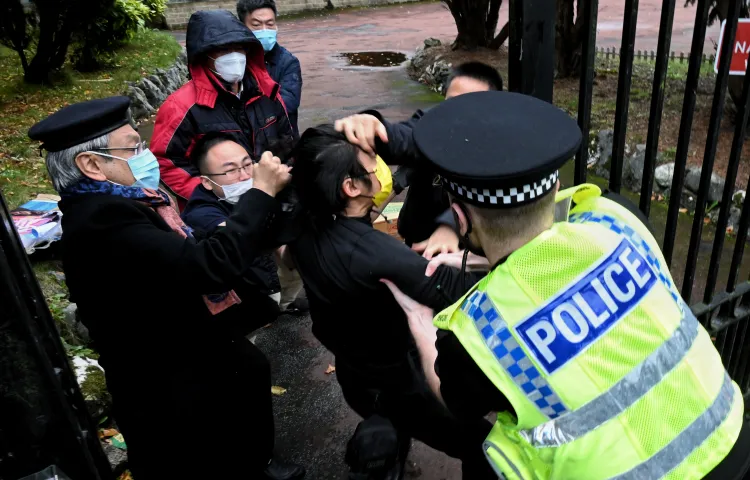
‘Don’t give up’: After fleeing overseas, Hong Kong journalists fight on
When Hong Kong journalist Matthew Leung covered a small protest in the northern English city of Manchester last October, little did he know it would become one of the biggest stories in his career—and unleash a diplomatic storm between China and Britain. His photographs, showing a group of men beating a Hong Kong pro-democracy protester…
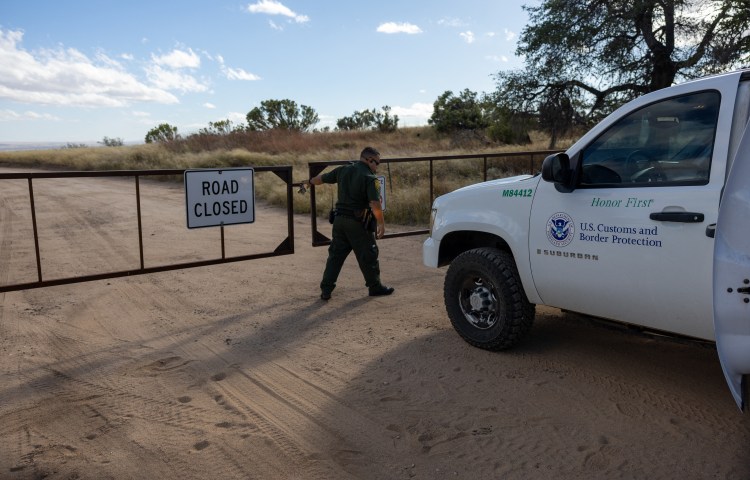
Forensic tools open new front for using phone data to prosecute journalists
On April 13, police in Russia’s Khakassiya republic arrested Mikhail Afanasyev and seized his digital devices. Afanasyev, chief editor of the online magazine Novy Fokus, was detained based on an article about riot police in southern Siberia refusing to serve in Ukraine. He faces a possible 10-year prison sentence for spreading “false” information. It’s not surprising for…
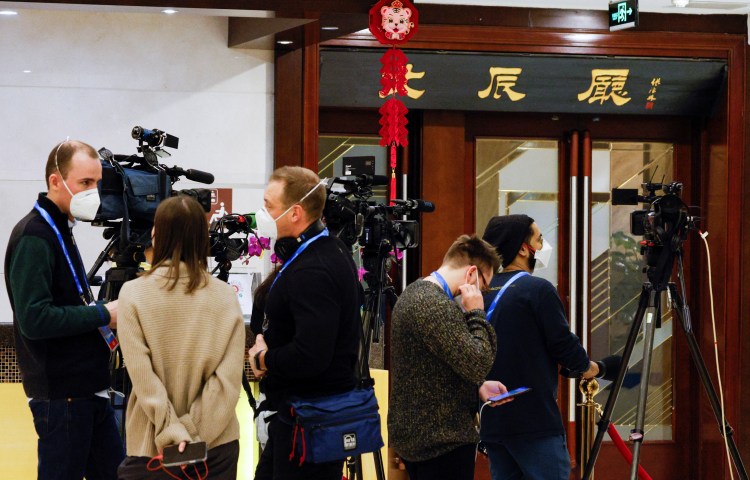
How China is stepping up harassment of foreign correspondents
When international journalists rushed to Zhengzhou city in Henan province to cover a deadly flood in July 2021, they were confronted by angry bystanders who accused them of “spreading rumors” and “smearing China.” Many also received harassing messages on social media and intimidating calls, according to the Foreign Correspondents’ Club of China. This hostility spread after the Henan Communist Youth…
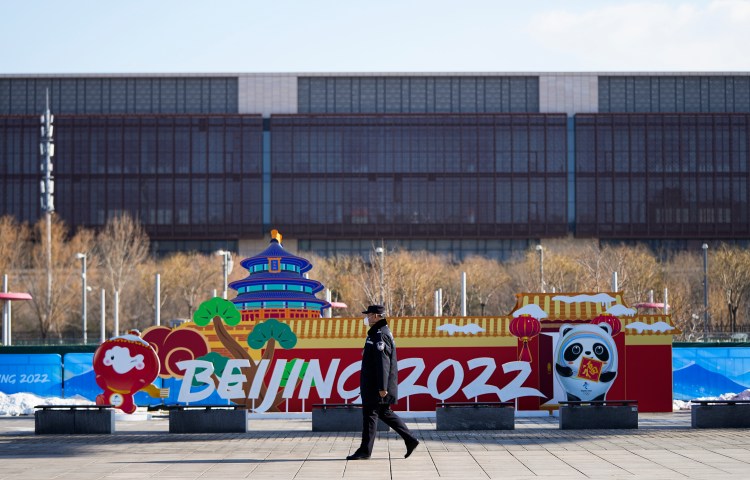
Opinion: The dilemma facing journalists covering the Beijing Olympics
I don’t envy journalists from around the world who are entering China to cover the Beijing Olympics, held February 4 to 20. Perhaps never in history have the rules of the road for covering the games been so murky and the potential dangers so great for journalists who step over an as-yet-undefined red line that…