Afghanistan
2012

Journalists still murdered where impunity reigns
Almost half of the 67 journalists killed worldwide in 2012 were targeted and murdered for their work, research by the Committee to Protect Journalists shows. The vast majority covered politics. Many also reported on war, human rights, and crime. In almost half of these cases, political groups are the suspected source of fire. There has…
Time to reassess U.S. military counterinsurgency tactics
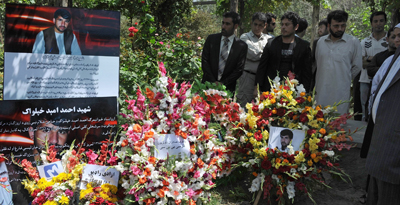
One year ago, on July 28, 2011, Ahmad Omaid Khpalwak, 25, was killed by American troops during a brutal close-quarters battle with a Taliban suicide squad backed by gunmen. Khpalwak was one of 22 people killed in the hours-long siege on government buildings that included the governor’s office and police headquarters in Tarin Kot, capital…
Afghanistan’s draft media law slowed, but not stopped
For now, the Afghan government’s apparent attempt at railroading through a less-than-media-friendly new Mass Media Law without consultation seems to have been sidelined, though not derailed. On Sunday in Kabul, representatives of the Ministry of Information and Culture received recommendations from civil society workers and journalists, including some from the provinces, which were drawn up…
Afghan donors must address media repression
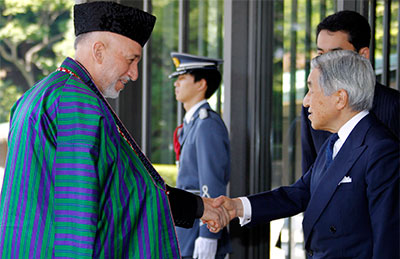
One thing that had better be high on the agenda this weekend at the meeting of 70 or so international aid donors for Afghanistan in Tokyo is the recently released official draft version of the Mass Media Law (a copy of the draft can be found here). I mentioned the new draft in a June…
Afghan media is under political and economic pressure
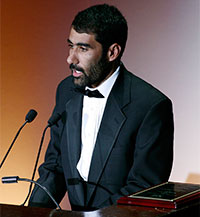
Danish Karokhel, who won a CPJ International Press Freedom Award in 2008, messaged this morning concerned that the news agency he runs, Pajhwok Afghan News, and some other media outlets have been referred to the Attorney General’s Office by the Ministry of Information and Culture for reporting on an alleged bribery scandal involving a member…

Why journalists need new ways to stay safe
After the Salvadoran online newsmagazine El Faro exposed a secret government deal with criminal gangs last month, its staff faced repercussions that illustrate the new and complicated risks facing journalists worldwide. El Faro’s report, which said the government provided more lenient treatment of imprisoned gangsters in exchange for the groups’ agreement to slow down their…
Afghan journalist’s death must lead to better combat rules
Wednesday, the Afghanistan Analysts Network (AAN) released its report, “Death of an Uruzgan Journalist: Command Errors and Collateral Damage,” by Kate Clark on the July 2011 shooting death of journalist Omaid Khpalwak. Clark’s details on how Khpalwak died corroborate and then go beyond the investigation already conducted by the U.S.-led NATO forces who were responsible.…

Ahmed Rashid on U.S. policy in South Asia
At Columbia University on Monday evening, CPJ board member Ahmed Rashid held forth to a full house in a conversation with Steve Coll about U.S. foreign policy in Afghanistan and Pakistan. If you’re reading this blog, there’s most likely no need to explain who Rashid is–or Coll, for that matter. The earliest reference I could…