Asia
2012
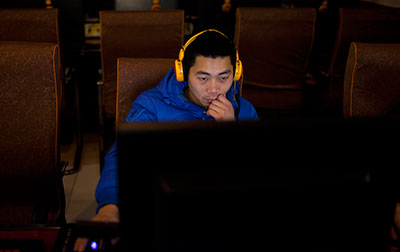
China’s name registration will only aid cybercriminals
China’s mounting crackdown on online news dissemination took an extra step today, when the country’s Standing Committee of the National People’s Congress, its de facto legislative body, announced new requirements on Internet service providers and mobile phone companies to identify their users. The new rules would potentially allow ISPs and the authorities to more closely…
Reuters Institute focuses on Sri Lankan journalism
The most recent paper produced by the Reuters Institute for the Study of Journalism at Oxford, “Media Freedom in post-war Sri Lanka and its impact on the reconciliation process<,” does a great job of cataloging the abuse Sri Lankan journalists continue to face after the decades-long civil conflict with Tamil secessionists ended in May 2009.
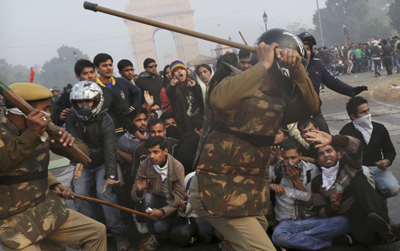
Amid deadly demonstrations, focus on India police
For the safety of journalists and other people on the streets protesting injustice, Indian police must begin in earnest to address how they respond to demonstrations. One journalist died covering protests that have been taking place across the country following the gang rape of a 23-year old female medical student on a Delhi bus on…

Combat deaths at a high, risks shift for journalists
Murder is the leading cause of work-related deaths among journalists worldwide–and this year was no exception. But the death toll in 2012 continued a recent shift in the nature of journalist fatalities worldwide. More journalists were killed in combat situations in 2012 than in any year since 1992, when CPJ began keeping detailed records.

Journalists still murdered where impunity reigns
Almost half of the 67 journalists killed worldwide in 2012 were targeted and murdered for their work, research by the Committee to Protect Journalists shows. The vast majority covered politics. Many also reported on war, human rights, and crime. In almost half of these cases, political groups are the suspected source of fire. There has…
Integrity vs. authenticity in video journalism
Back in November 2010, Britain’s Channel 4 broadcast a leaked video that appears to show men in Sri Lankan military uniforms executing bound prisoners, the camera panning across a series of bodies laid out in a ditch. Family and friends identified one of those bodies as that of Tamil Tiger TV newscaster Shoba, also known…
Video: Campaign to free the press
(CNN) The imprisonment of journalists hit a record high in 2012, driven by the growing use of anti-terrorism charges to silence critical voices. This video, a centerpiece of CPJ’s new Free the Press campaign, details the plight of imprisoned journalists worldwide and describes how international advocacy can make a difference in winning the freedom of…
On Human Rights Day, make your voice heard on impunity
In 1950, the United Nations General Assembly declared December 10 Human Rights Day in commemoration of the adoption and proclamation two years earlier of the Universal Declaration of Human Rights. Every year, on this day, the U.N. chooses one right to highlight and advocate. This year, Human Rights Day is focused on the right of…
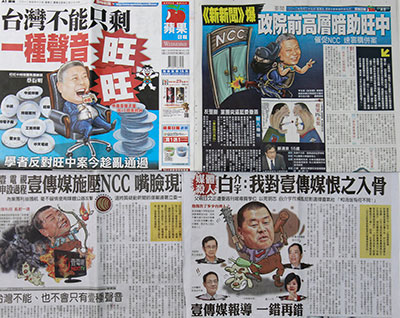
Taiwanese media sale could threaten press freedom
A media buyout in Taiwan which would put independent news outlets critical of China into the hands of a pro-Beijing media tycoon is cause for concern for the island’s press. Jimmy Lai, the outspoken mogul behind Hong Kong-based Next Media and the Apple Daily tabloid, is selling his Taiwan holdings to a group of businessmen…