Asia
2011
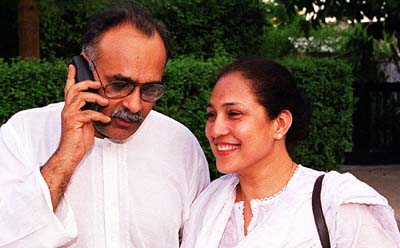
More revelations of threats to Pakistani journalists
We released a statement Thursday–CPJ supports Pakistani journalists facing threats–about the decision of two Pakistani journalists to publicly announce the threats they had been receiving. Najam Sethi, editor of The Friday Times and host of a popular Urdu-language political program on Geo TV, and Jugnu Mohsin, also a Friday Times editor, said they had lived…
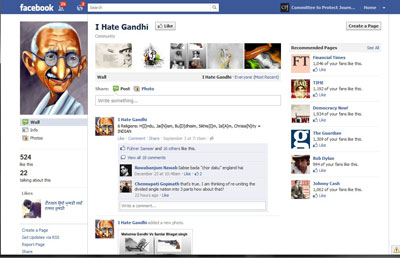
India struggles to cope with growing Internet penetration
As Internet penetration deepens, largely religiously and socially conservative India is struggling to cope with concerns about controversial web content and its easy accessibility to a vast population, all with little oversight. Local courts have become the launching point for some of the anti-Web offensives.
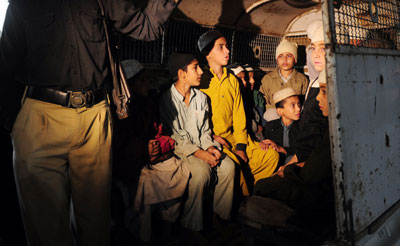
‘Where is the state?’ asks Pakistani journalist under threat
Since making me aware of threats to Hamid Mir on December 20, Umar Cheema and I have been encouraging Pakistani journalists we know who are under threat to step forward with their own experiences. Ghulamaddin, producer for Samaa TV in Karachi who broke the story of students held in chains at a seminary, is coming…
More on threats and journalist safety in Pakistan
Tuesday’s blog about threats to Hamid Mir generated a lot of discussion on our site. Mir messaged overnight, saying his case was widely reported in newspapers and discussed in Parliament, and there will be a committee of Parliament established to probe the issue. The Associated Press of Pakistan noted that “Minster for Interior Rehman Malik condemned the…
Policing the Internet in India
Amid a raging debate on Internet freedom and censorship in India, members of the government met last week with a clutch of website operators, including representatives of Yahoo, Google, Facebook and Microsoft. In a meeting scheduled to address a wider plan to leverage social media to empower the government, it’s unclear whether the touchy subject…
In China, real people vs. Internet minders
In the next three months, users of China’s microblog weibo.com — “weibo” is the generic Chinese term for Twitter-like platforms — run by the huge sina.com (the English site is here) news portal, entertainment and blogging site, will have to start providing their real-world identities to the site, instead of simply being able to register.…
Pakistan’s Hamid Mir publicizes a death threat
Geo TV’s most prominent television anchor, and one of the most prominent journalists in Pakistan, has just circulated a detailed email message of threats he has been receiving. Hamid Mir’s open, public response to the threats is a textbook case of how to handle the steady stream of intimidation that journalists face, not just in…
Journalists killed: Inside the numbers
CPJ today released its annual tally of the journalists killed around the world. This is always a somber occasion for us as we chronicle the grim toll, remember friends who have been lost, and recommit ourselves to justice. It’s also a time when we are asked questions about our research and why our numbers are…
Q&A: Press Council of India’s Katju on media safety
Retired Supreme Court Justice Markandey Katju is shaking things up at the Press Council of India, where he was appointed chairman in October. The statutory body, mandated to look at media freedom and address complaints against the print media since 1966, has often been criticized for ineffectiveness, its role limited to admonishing news outlets.
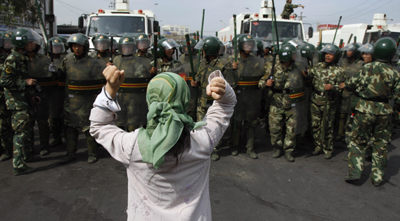
China’s jailed Uighurs: Out of sight, not out of mind
For the first time in more than a decade, China is not the world’s worst jailer of the press in CPJ’s annual census of imprisoned journalists. Among the 27 jailed in China, one group has seen a massive jump in imprisonments. In another first since CPJ began taking its census, more than half of those…