Americas
2012

Combat deaths at a high, risks shift for journalists
Murder is the leading cause of work-related deaths among journalists worldwide–and this year was no exception. But the death toll in 2012 continued a recent shift in the nature of journalist fatalities worldwide. More journalists were killed in combat situations in 2012 than in any year since 1992, when CPJ began keeping detailed records.
Journalists still murdered where impunity reigns
Almost half of the 67 journalists killed worldwide in 2012 were targeted and murdered for their work, research by the Committee to Protect Journalists shows. The vast majority covered politics. Many also reported on war, human rights, and crime. In almost half of these cases, political groups are the suspected source of fire. There has…

Brazil murders reflect tough reporting, lack of justice
There are many complex reasons why Brazil has become a dangerous place to practice journalism. I will cite two possible explanations for the increase in deaths of journalists in the country, where seven journalists have been confirmed killed for the work over the past two years. First, the press is producing more investigative reports on…
Integrity vs. authenticity in video journalism
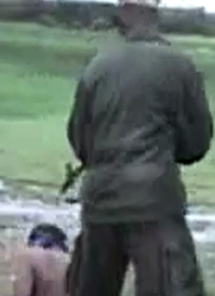
Back in November 2010, Britain’s Channel 4 broadcast a leaked video that appears to show men in Sri Lankan military uniforms executing bound prisoners, the camera panning across a series of bodies laid out in a ditch. Family and friends identified one of those bodies as that of Tamil Tiger TV newscaster Shoba, also known…
Video: Campaign to free the press
(CNN) The imprisonment of journalists hit a record high in 2012, driven by the growing use of anti-terrorism charges to silence critical voices. This video, a centerpiece of CPJ’s new Free the Press campaign, details the plight of imprisoned journalists worldwide and describes how international advocacy can make a difference in winning the freedom of…
Audio: From Cuban prison, reporter speaks out
Cuba, historically one of the world’s worst jailers of journalists, has returned to CPJ’s prison census after a one-year absence. Calixto Ramón Martínez Arias, a reporter for the independent news agency Centro de Información Hablemos Press, was imprisoned in September after he started looking into why an international shipment of medicine was allowed to go…
On Human Rights Day, make your voice heard on impunity
In 1950, the United Nations General Assembly declared December 10 Human Rights Day in commemoration of the adoption and proclamation two years earlier of the Universal Declaration of Human Rights. Every year, on this day, the U.N. chooses one right to highlight and advocate. This year, Human Rights Day is focused on the right of…

Speak Justice campaign fights impunity in press murders
The tortured and decapitated body of 39-year-old María Elizabeth Macías Castro was found on a Saturday evening in September 2011. It had been dumped by the side of a road in Nuevo Laredo, a Mexican border town ravaged by the war on drugs. Macías, a freelance journalist, wrote about organized crime on social media under…

In battle with Argentine president, a misstep by Clarín
The debut of the HD version of Grupo Clarín’s cable news station TN could not have come at a worse time for the Argentine media conglomerate. Conspicuously missing from Monday’s premiere was coverage of a new criminal complaint in which Clarín’s lawyers accused the government of President Cristina Fernández de Kirchner of inciting violence against the…