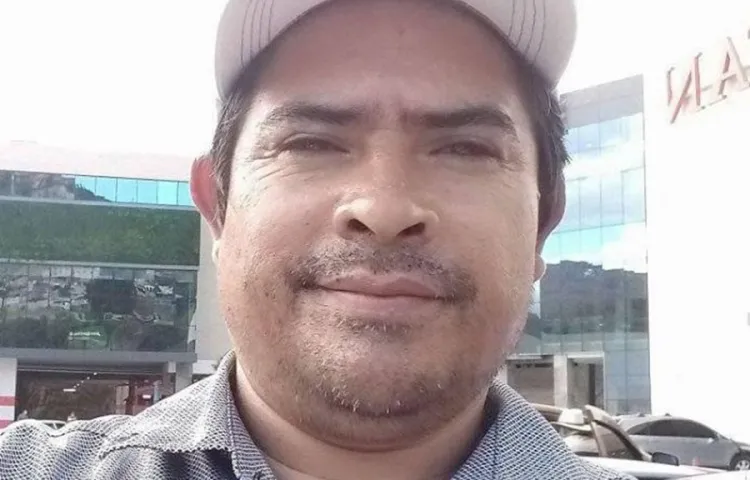
Honduran journalist Luis Alonso Teruel shot, killed in Atima
Mexico City, January 30, 2024—Honduran authorities must thoroughly investigate the killing of journalist Luis Alonso Teruel, determine if he was targeted for his work, and bring those responsible to justice, the Committee to Protect Journalists said Tuesday. On the night of Sunday, January 28, Teruel was traveling in a vehicle with his 11-year-old son when…
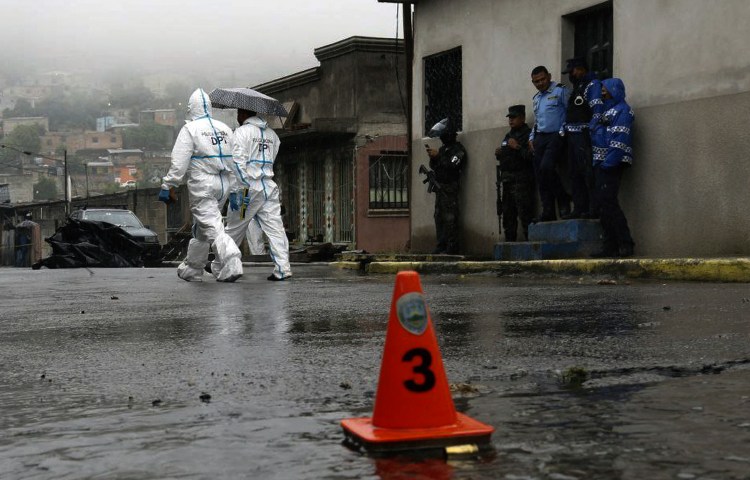
Honduran journalist Edwin Josué Andino shot, killed in Comayagüela
Guatemala City, October 24, 2022 — Honduran authorities must thoroughly investigate the killing of journalist Edwin Josué Andino, determine if he was targeted for his work, and bring those responsible to justice, the Committee to Protect Journalists said Monday. In the morning of October 10, unidentified individuals dressed in police uniforms kidnapped Andino from his…
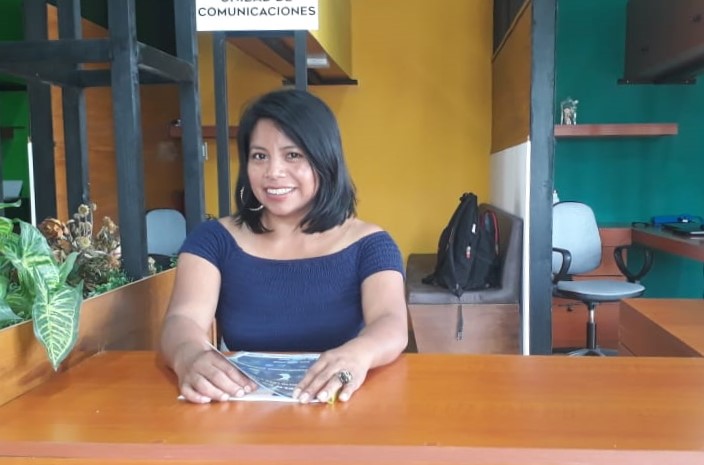
Honduran journalist Sonia Pérez criminally charged over reporting on Indigenous evictions
Guatemala City, July 29, 2022 — Honduran authorities should immediately drop all criminal charges against journalist Sonia Pérez López and stop using the country’s legal system to silence the press, the Committee to Protect Journalists said Friday. On May 22, Juan Argueta, a landowner in the municipality of San Jose, filed a criminal complaint against…
Camera operator and TV host Ricardo Ávila shot, killed in southwest Honduras
Guatemala City, June 2, 2022 — Honduran authorities must conduct a credible and exhaustive investigation into the killing of camera operator and TV host Ricardo Alcides Ávila in southwest Honduras and bring those responsible to justice, the Committee to Protect Journalists said Thursday. Around 5 a.m. on May 26, an unidentified person shot Ávila in…
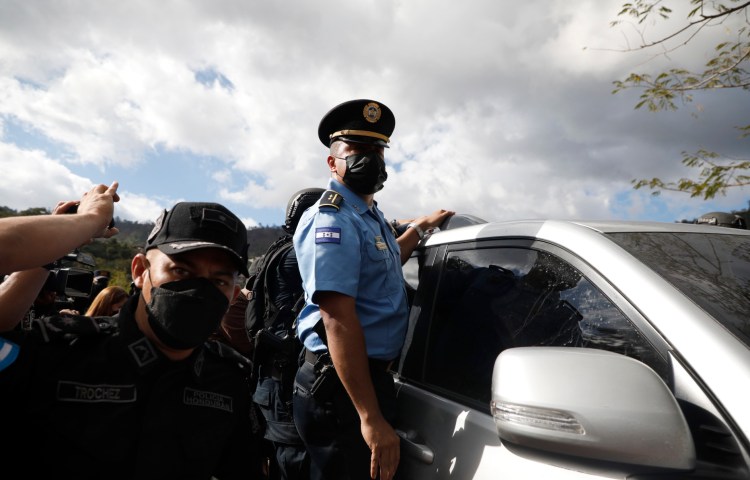
Police make 2 arrests after alleged gang members shoot at Radio Globo newsroom in Honduras
Guatemala City, March 15, 2022 — Honduran authorities should swiftly and transparently investigate the recent attack on Radio Globo’s office and ensure that the perpetrators are held to account, the Committee to Protect Journalists said Tuesday. At about 3 p.m. on March 7, a man on a motorcycle fired multiple gunshots at the broadcaster’s office…
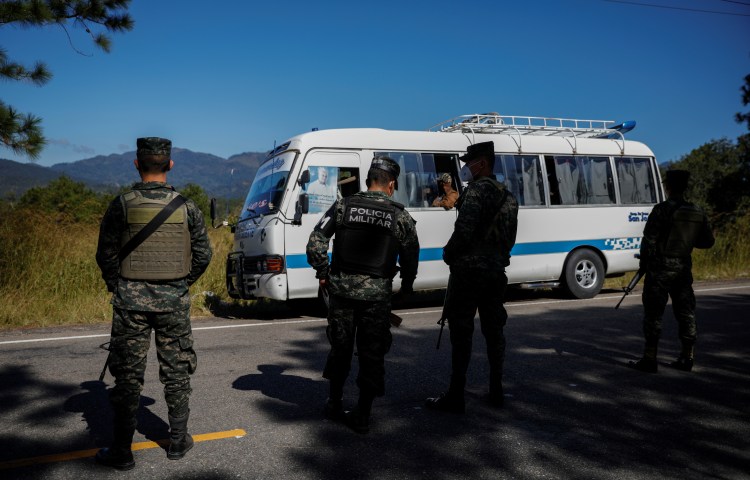
Honduran radio host Pedro Canelas shot and killed
Los Angeles, December 22, 2020 – Honduran authorities should conduct a swift and transparent investigation into the killing of journalist Pedro Canelas, determine whether his killing was related to his work, and bring those responsible to justice, the Committee to Protect Journalists said today. On December 19, in the southern city of Dulce Nombre de…
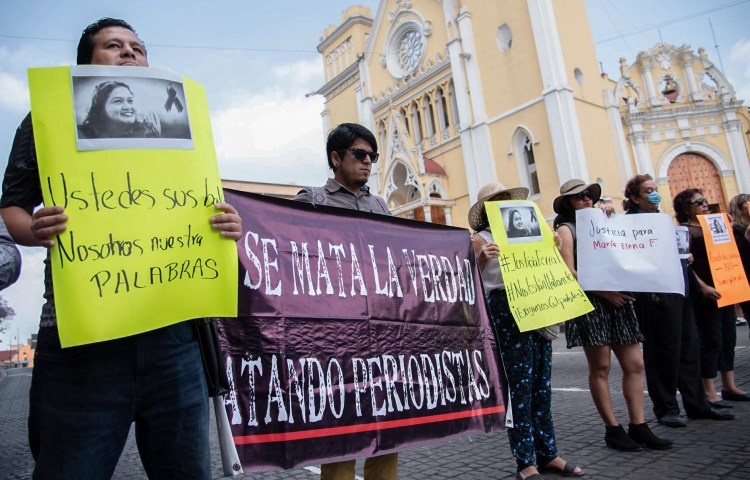
Murders of journalists more than double worldwide
Retaliatory killings of journalists worldwide rose significantly in 2020 from the previous year, but deaths covering war dropped sharply. A CPJ special report by Jennifer Dunham December 22, 2020 NEW YORK The number of journalists murdered in retaliation for their work more than doubled in 2020, as criminal gangs and militant groups targeted reporters working…
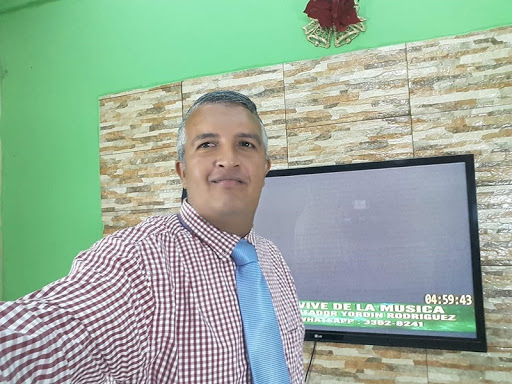
Honduran journalist Luis Alonzo Almendares shot and killed
Miami, September 29, 2020 — Honduran authorities must thoroughly investigate the killing of journalist Luis Alonzo Almendares, and hold those responsible to account, the Committee to Protect Journalists said today. At about 6 p.m. on September 27, in the central Honduran city of Comayagua, two unidentified individuals on a motorcycle shot Almendares, a local freelance…
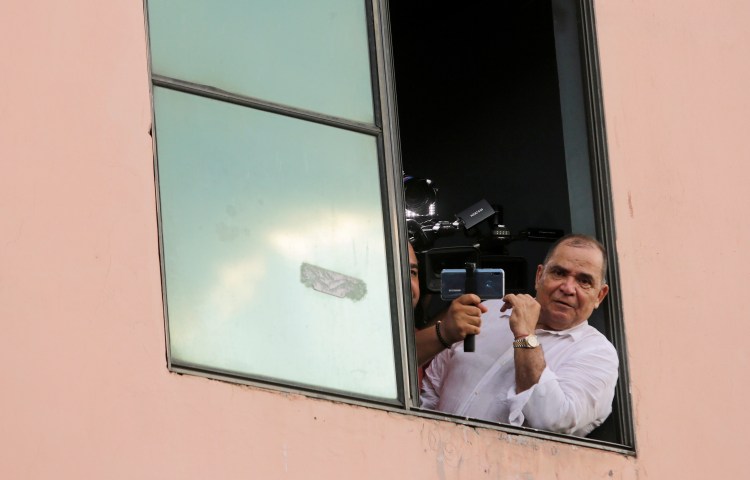
Honduran journalist David Romero dies after contracting COVID-19 in jail
Managua, Nicaragua, July 19, 2020–Honduran journalist David Romero Ellner died yesterday around 7 a.m. of respiratory failure after contracting COVID-19 while imprisoned at the Támara National Penitentiary, according to newspaper La Prensa. Authorities had transferred Romero to the National Cardiopulmonary Institute on July 5, according to newspaper El Heraldo. “We are shocked and saddened by…
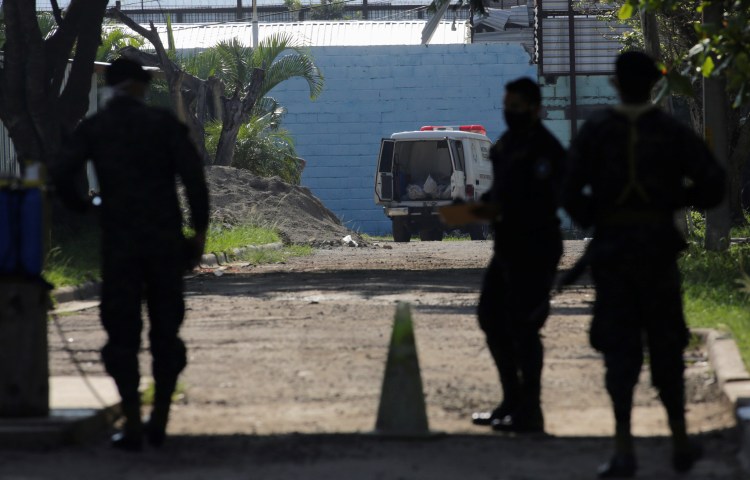
Unidentified attackers shoot and kill 2 journalists in Honduras
Managua, Nicaragua, July 8, 2020 – Honduran authorities must thoroughly investigate the killing of journalists German Vallecillo Jr. and Jorge Posas, and hold those responsible to account, the Committee to Protect Journalists said today. On July 1, two unidentified individuals shot Vallecillo Jr., a host for the local privately owned TV station Canal 45, and…