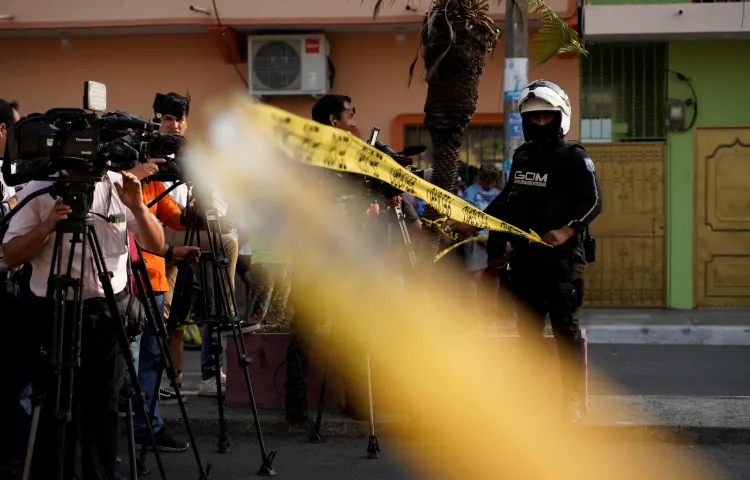
In Ecuador, threats force 9 journalists to flee their homes in 7 months
At least five journalists fled into exile and at least four others had to relocate within Ecuador between April and October 2023, amid political turmoil and a deepening security crisis that have put reporters and press freedom at increasing risk and led to self-censorship. One journalist—who asked CPJ not to disclose his name for safety…
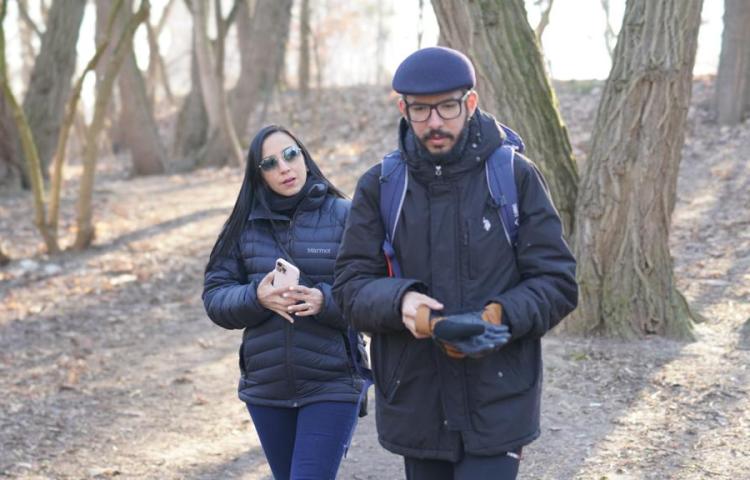
Journalists Andersson Boscán and Mónica Velásquez flee Ecuador amid threats
São Paulo, July, 28, 2023—Ecuadorian authorities must investigate threats to journalists Andersson Boscán and Mónica Velásquez and ensure that they can return to the country safely, the Committee to Protect Journalists said Friday. On Tuesday, July 25, Boscán, co-founder of La Posta, and Velásquez, his wife and a journalist with the social media-based outlet, left…
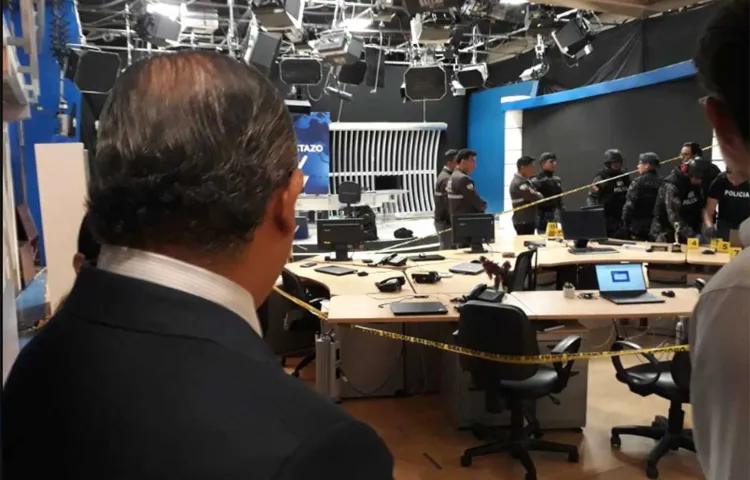
Ecuador on edge: Political paralysis and spiking crime pose new threats to press freedom
In Ecuador, political turmoil and a deepening security crisis are putting reporters and press freedom at increasing risk. President Guillermo Lasso, who dissolved the country’s National Assembly in May as it took steps to impeach him, has proved ineffective at stemming the rise in violent crime and journalists are watching uneasily as the party of…

Ecuadorian journalist run off road, threatened with death after critical reporting
Bogotá, June 27, 2023—Ecuadorian authorities must thoroughly investigate the recent death threats issued to journalist Lissette Ormaza and hold those responsible to account, Committee to Protect Journalists said Tuesday. On June 20, Ormaza, a reporter and newscaster for the privately owned broadcaster Majestad Televisión, was driving from her home in La Concordia to her outlet’s…

Journalist Karol Noroña leaves Ecuador after death threat
Bogotá, April 11, 2022–Ecuadorian authorities must thoroughly investigate a death threat against Karol Noroña, bring those responsible to justice, and ensure that criminal groups do not interfere with the work of the country’s press, the Committee to Protect Journalists said Tuesday. On March 24, Noroña, a reporter for the independent Quito-based news website GK, met…
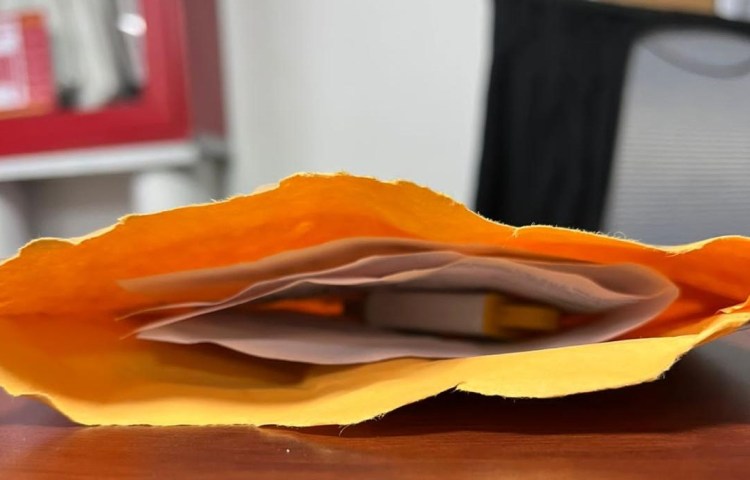
Bombs mailed to at least 5 journalists in Ecuador
Bogotá, March 22, 2023 – Ecuadorian authorities must thoroughly investigate letter bombs sent to five TV and radio journalists, guarantee their safety, and bring those responsible to justice, the Committee to Protect Journalists said Wednesday. Since March 16, letter bombs have been sent to the TV stations Ecuavisa, Teleamazonas, and TC Television; the radio station…
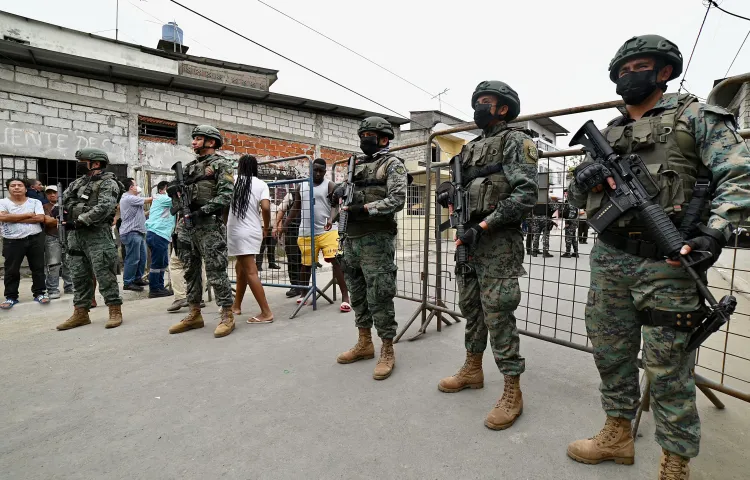
Ecuadorian journalist Gerardo Delgado Olmedo shot and killed in Manta
Bogotá, August 17, 2022—Ecuadorian authorities should conduct a thorough investigation into the shooting death of journalist Gerardo Delgado Olmedo and determine whether the killing was related to his work, the Committee to Protect Journalists said Wednesday. On August 10, two gunmen shot and killed Delgado while he was in his car stopped at a traffic…
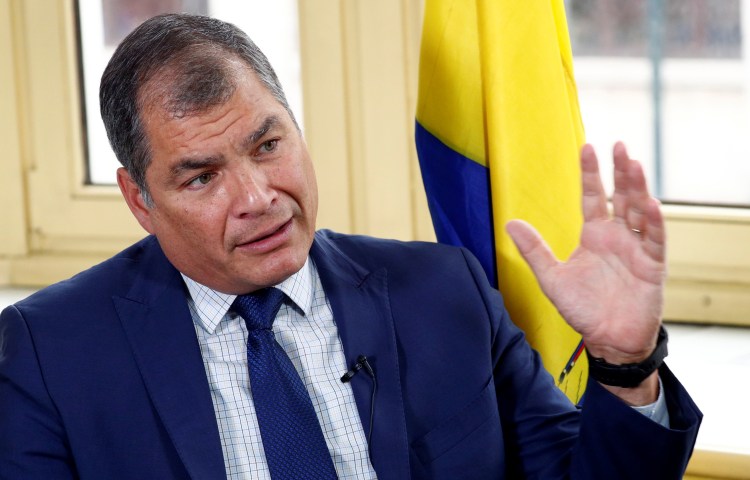
Inter-American Court of Human Rights finds Ecuador responsible in El Universo libel case
New York, December 23, 2021 — The Committee to Protect Journalists today welcomed a recent decision by the Inter-American Court of Human Rights to hold Ecuador responsible for violating the right to free expression in a 2011 libel suit against the El Universo newspaper. “The Inter-American Court’s decision in the El Universo case offers long-overdue…
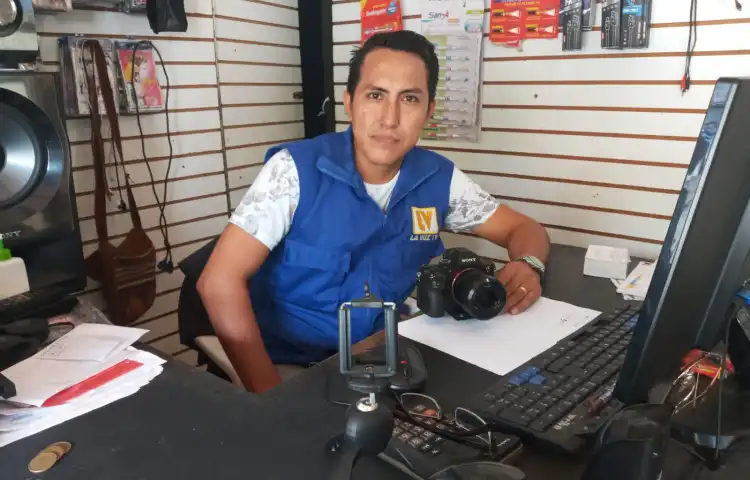
Ecuadorian authorities raid office of journalist Fausto Chimbolema, confiscate equipment
Bogota, September 22, 2021 — Ecuadorian authorities should return all equipment confiscated from journalist Fausto Chimbolema and disclose the reason for the recent raid on his office, the Committee to Protect Journalists said today. On September 14, police officers and agents from the local attorney general’s office raided Chimbolema’s office in the central Ecuadorian town…
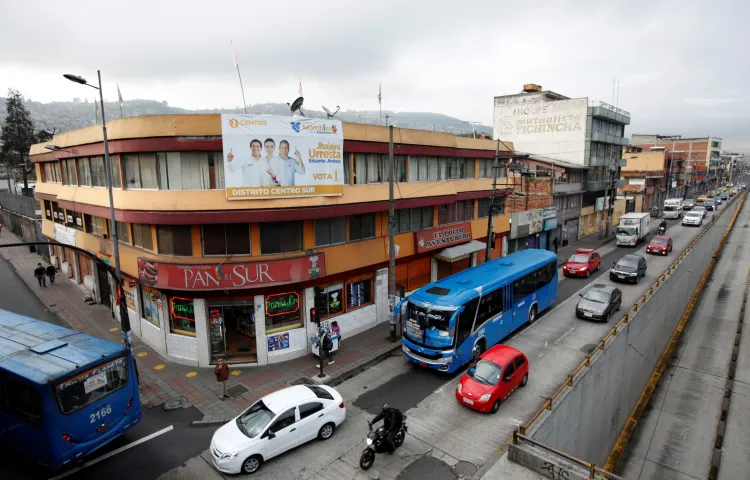
Ecuadorian journalist Virginia Suárez receives death threats
Bogotá, September 2, 2021 – Ecuadorian authorities must investigate death threats made against journalist Virginia Suárez and hold the perpetrators to account, the Committee to Protect Journalists said today. Suárez, who covers politics in the central town of Ventanas for her twice-weekly live news program called “Tus noches con Virginia” (Your nights with Virginia) on…