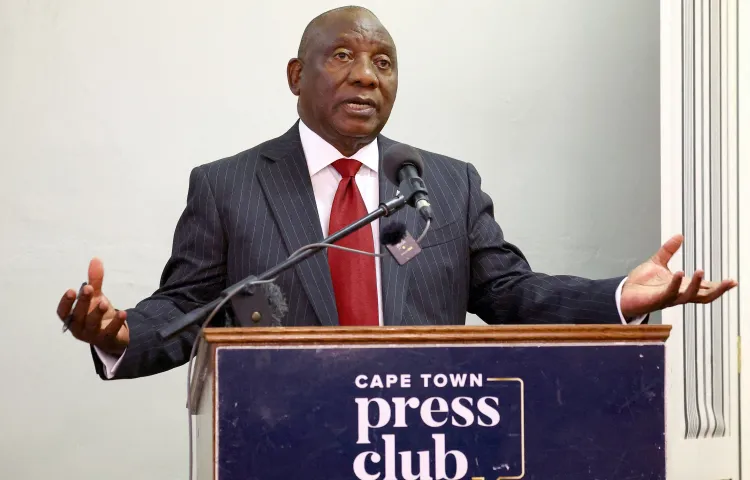
CPJ welcomes South Africa’s abolition of criminal defamation, calls for further legal reforms
Lusaka, April 10, 2024 – The Committee to Protect Journalists on Wednesday welcomed South African President Cyril Ramaphosa’s signing into law a bill that abolishes criminal defamation, and urged authorities to reform other problematic laws that threaten press freedom in the country. On April 3, Ramaphosa signed the Judicial Matters Amendment Act (2023), which includes…
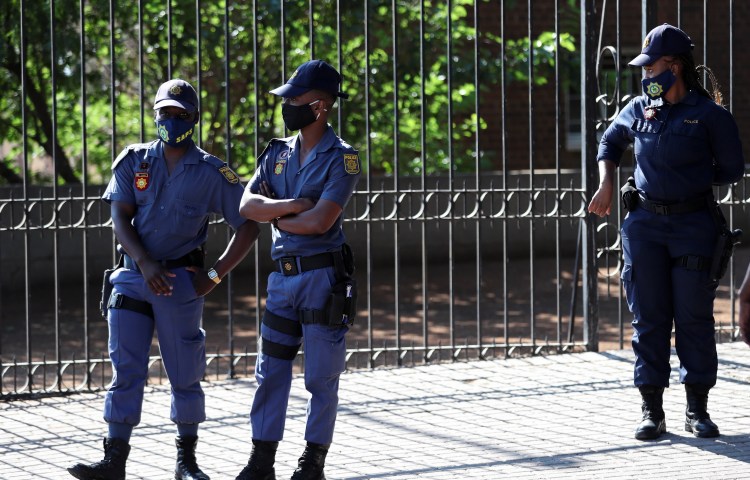
South African journalist Thomo Nkgadima charged with intimidation after photographing mayor’s home
Lusaka, January 3, 2024—South African authorities should drop criminal trespass and intimidation charges against freelance journalist Thomo Nkgadima and ensure that members of the press do not face reprisal for reporting issues of public interest, the Committee to Protect Journalists said Wednesday. On December 24, 2023, police in Fetakgomo Tubatse Municipality in South Africa’s northern…
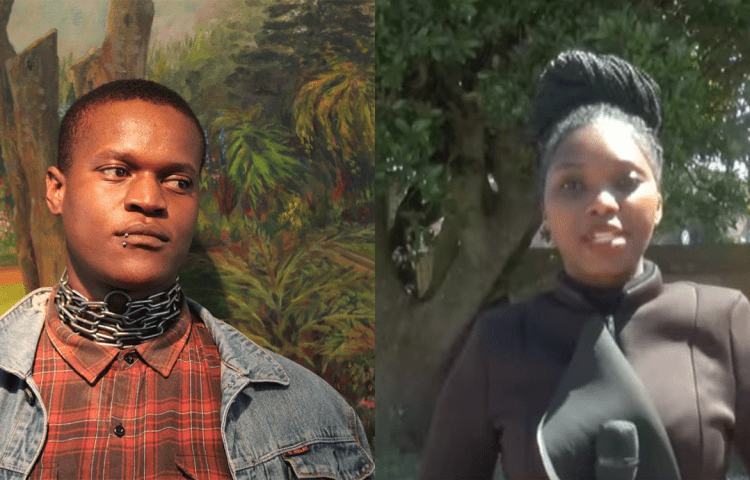
Two journalists assaulted by protestors in South Africa
A group of about seven unidentified people assaulted two journalists with local broadcaster Mpuma Kapa TV (MPKTV) around noon on October 30, while the reporters were covering protests about the alleged hijacking of government housing—where possession of the property is taken by those not on the waiting list—in the coastal city of Gqeberha in the…
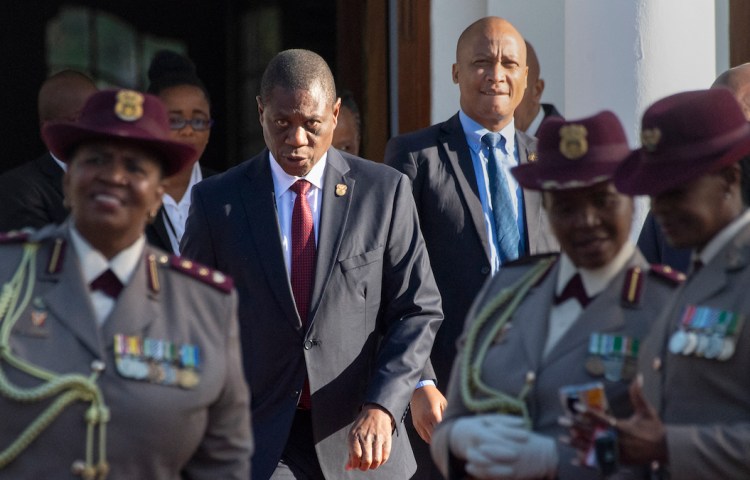
South African court throws out urgent bid to gag Media24
Lusaka, August 10, 2023—The Committee to Protect Journalists welcomed a Gauteng High Court ruling on Tuesday to dismiss an urgent application by two businessmen connected to South African Deputy President Paul Mashatile to prevent the Media24 publishing group from referring to them as part of the “Alex Mafia.” In its ruling, the court described the…
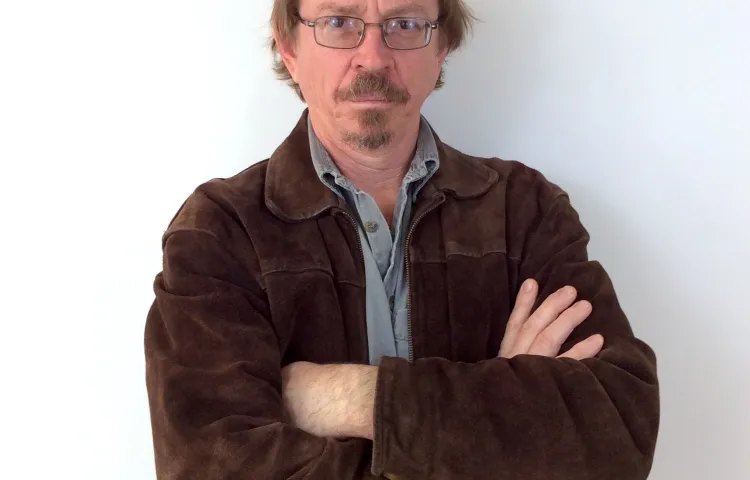
South Africa judge strikes down gag order against investigative outlet amaBhungane
New York, July 3, 2023—In response to a South African High Court’s Monday judgment striking down a gag order against the amaBhungane Center for Investigative Journalism, the Committee to Protect Journalists issued the following statement: “Today’s judgment is a massive victory for media freedom in South Africa and an important vindication of a journalist’s ethical…
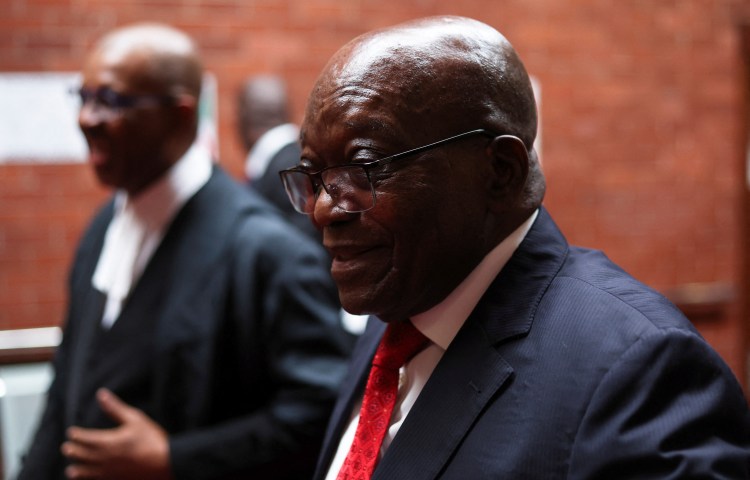
South African court prohibits former president’s private prosecution of journalist Karyn Maughan
New York, June 8, 2023—In response to the Wednesday, June 7, ruling by the Pietermaritzburg High Court prohibiting former South African President Jacob Zuma from continuing the private prosecution of journalist Karyn Maughan, the Committee to Protect Journalists issued the following statement urging the former president to accept the ruling: “The unanimous ruling of three…
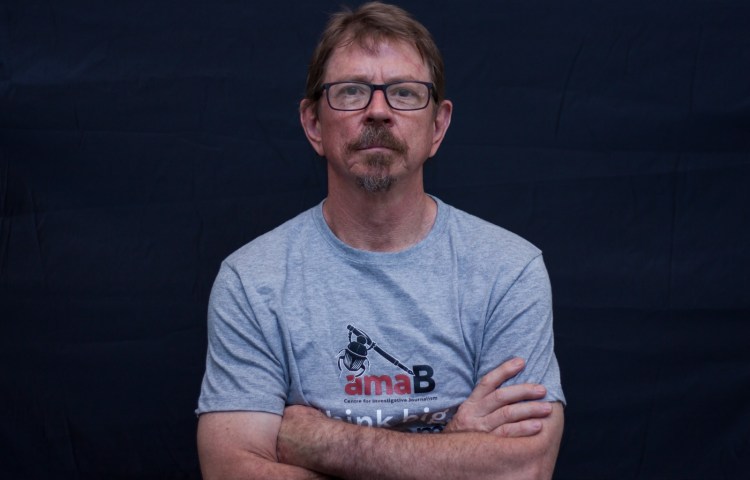
South African court’s gag on amaBhungane raises fears for investigative journalism, sources
New York, June 7, 2023—The Committee to Protect Journalists on Wednesday expressed concern that a South African high court judge’s temporary injunction, if made final, against the amaBhungane Centre for Investigative Journalism, a nonprofit investigative outlet, could imperil the country’s investigative journalism, journalists’ confidential sources, and whistleblowers. In April, amaBhungane published a series of articles…
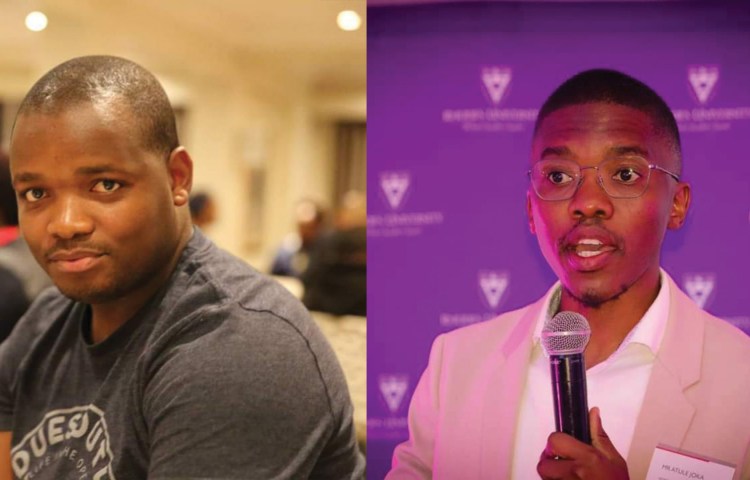
South African journalists attacked, threatened, harassed in separate incidents
In March 2023, journalists in multiple towns in South Africa were attacked, harassed, or threatened in connection with their reporting. On March 2, in the city of Newcastle, Mayor Xolani Dube and his deputy Musa “Sugar” Thwala accused Estella Naicker, a reporter with privately owned newspaper Northern Natal News, of being paid by political rivals…
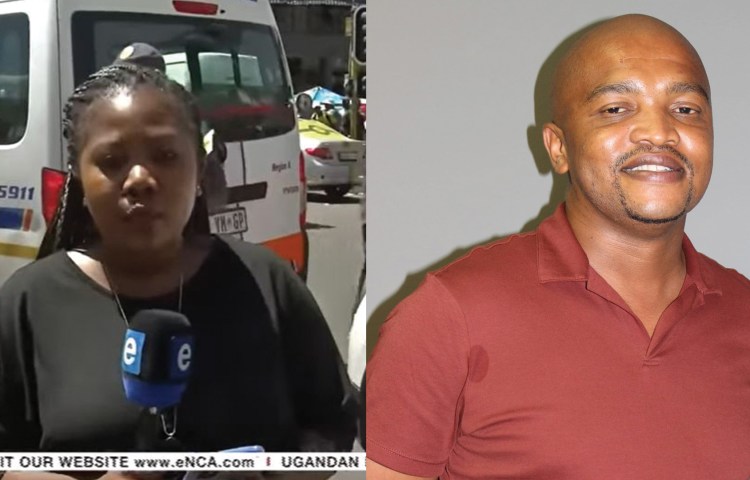
Two South African journalists assaulted in separate incidents
Lusaka, March 9, 2023 – South African authorities must swiftly and thoroughly investigate the recent assaults of journalists Silindelo Masikane and Gaddafi Zulu and prosecute those responsible, the Committee to Protect Journalists said Thursday. On February 25, in Johannesburg, supporters of the opposition party Economic Freedom Fighters and municipal police obstructed and then assaulted Silindelo…
South African court bans Independent Media outlets from publishing leaked intelligence report
Lusaka, October 13, 2022 – A South African court judgment banning the publication of an intelligence report about alleged U.S. efforts to gather intelligence about South Africa’s ruling African National Congress party must be made public and should be overturned on appeal, the Committee to Protect Journalists said Thursday. On October 5, Gauteng High Court…