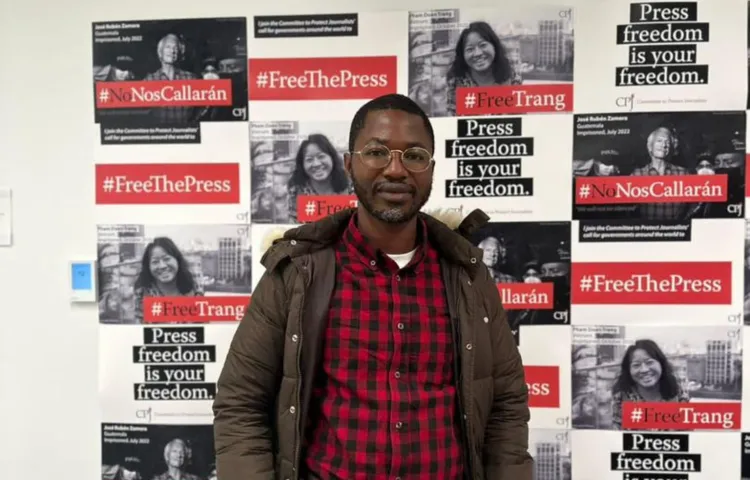
In Guinea, journalists censored, expelled, arrested
Dakar, January 31, 2024— Guinean authorities should immediately reverse the suspension of Dépêche Guinée and the privately owned news website’s publishing director, Abdoul Latif Diallo, ensure journalists are not expelled or arrested over critical coverage, and ensure unhindered access to social media platforms, news sites, and broadcasters, the Committee to Protect Journalists said Wednesday. “Guinean authorities…
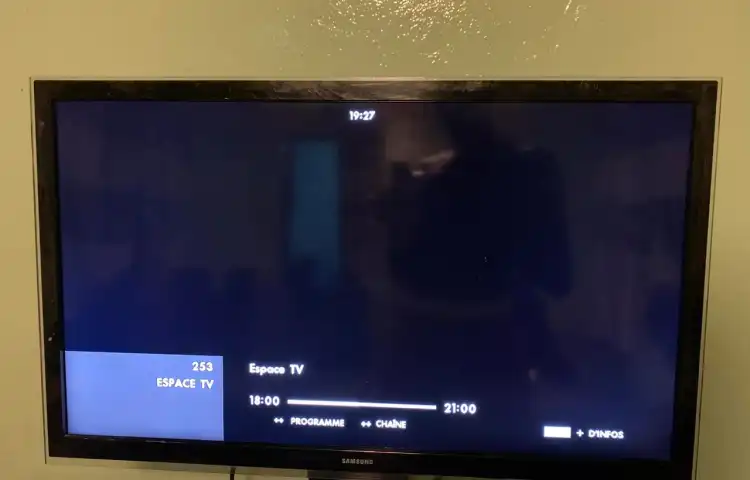
Guinean radio and TV broadcasters and social media sites blocked
Dakar, December 15, 2023—Guinean authorities should immediately end broadcasting blocks on at least four radio and television outlets and restore access to all social media and online communication platforms, the Committee to Protect Journalists said on Friday. On December 6, the High Authority of Communication (HAC), Guinea’s media regulator, ordered Canal+, a French distributor in…
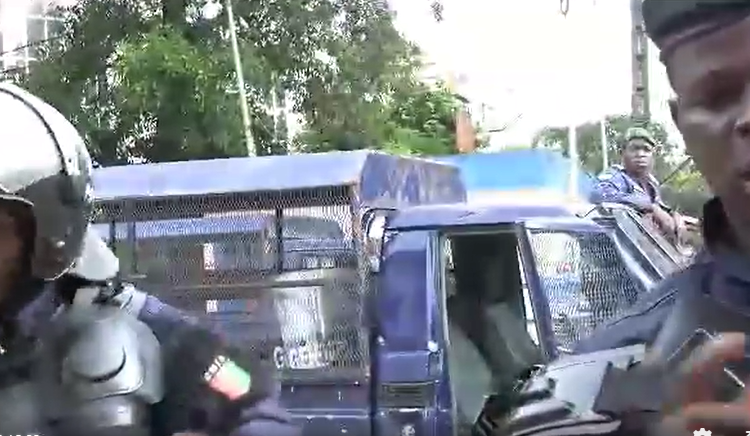
Guinean journalists arrested, attacked at protest over blocking of news website
Dakar, October 26, 2023—Guinean authorities must identify and hold accountable those officers responsible for arresting and assaulting journalists during an October 16 demonstration calling for authorities to lift restrictions on the privately owned news website Guinée Matin, and drop all legal proceedings against the journalists, the Committee to Protect Journalists said Thursday. On October 16,…
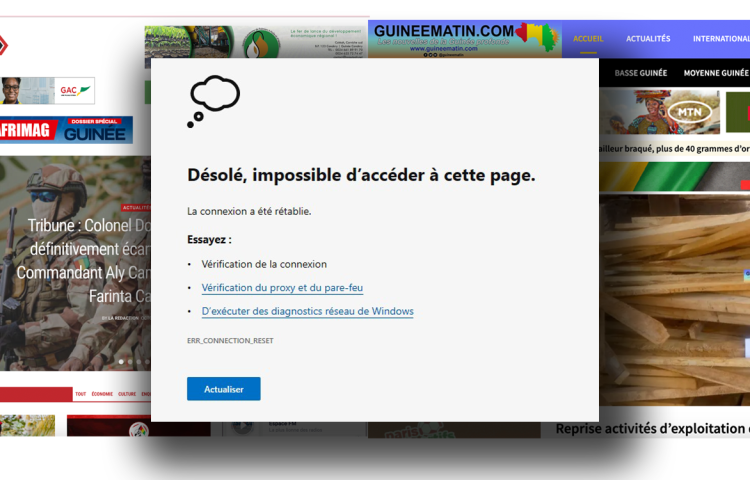
Private news websites restricted in Guinea for over a month
Dakar, Senegal, October 11, 2023—The Committee to Protect Journalists has called on Guinean authorities to investigate why the websites of privately owned news outlets Guinée Matin and Inquisiteur continue to be restricted in the country and ensure they are freely accessible without delay. “Guinean authorities must ensure a free flow of information in the country…
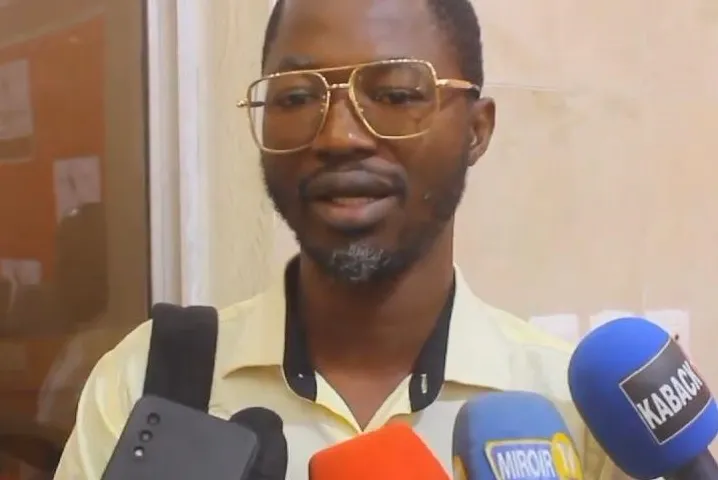
Guinea authorities suspend Dépêche Guinée news website and publisher Abdoul Latif Diallo for 1 month
Dakar, September 12, 2023—The Committee to Protect Journalists calls on Guinea’s media regulator to reverse its Monday suspension order banning the privately owned news website Dépêche Guinée and its publishing director, Abdoul Latif Diallo, from printing reports for one month. “Guinea’s High Authority for Communication should immediately lift its suspension of the entire Dépêche Guinée…
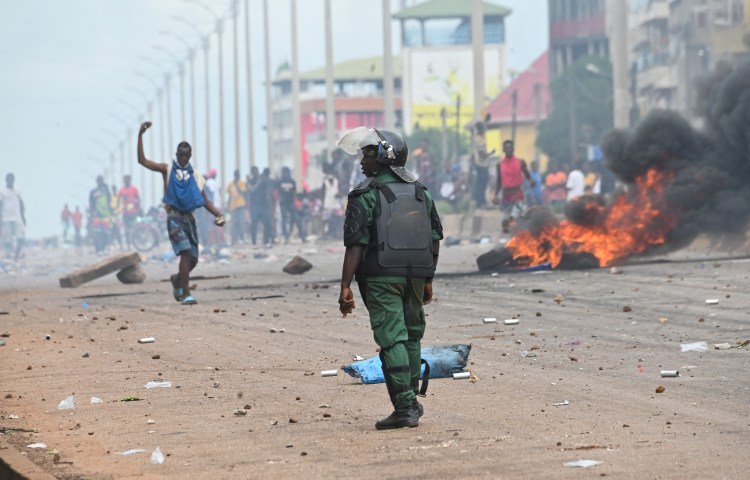
Guinea regulator orders 1-month suspensions for 3 journalists and ‘Africa 2015’ radio program
Dakar, September 30, 2022—Guinean authorities should lift the suspension of Nostalgie Guinée’s “Africa 2015” radio program and three of its journalists, and ensure the press can report freely on subjects of public interest without sanction, the Committee to Protect Journalists said Friday. On Friday, September 23, the High Authority for Communication (HAC), Guinea’s media regulator,…
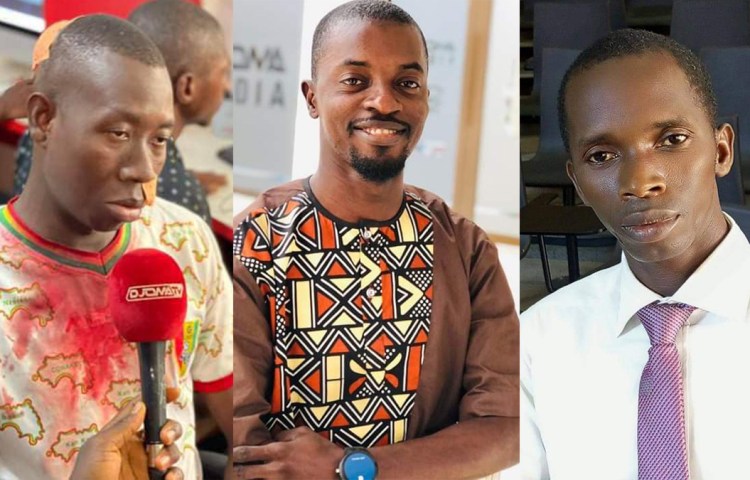
Five Guinean journalists attacked by demonstrators while covering protests
Dakar, August 19, 2022 – Guinean authorities should investigate the attacks on five journalists while they covered protests, hold those responsible to account, and ensure the press can work freely and safely while covering civil unrest, the Committee to Protect Journalists said Friday. In separate incidents on July 7, 27, and 28, demonstrators assaulted and…
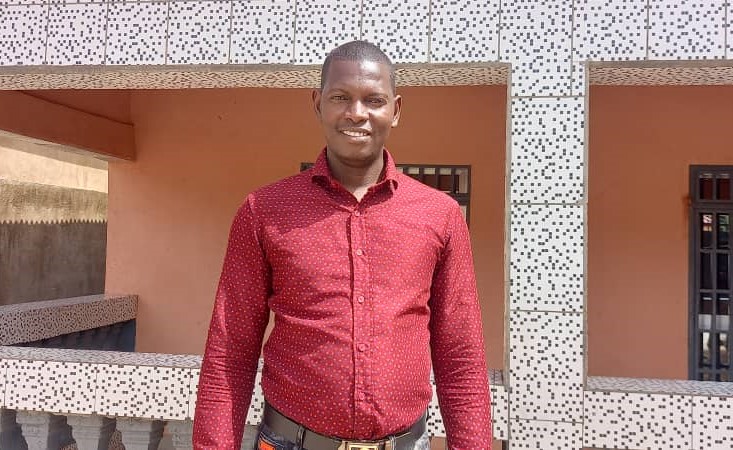
Guinean police detain, question journalist Mamadou Sagnane
Dakar, June 28, 2022 — Guinean authorities should drop any ongoing investigation into journalist Mamadou Sagnane and ensure that the press can work freely, the Committee to Protect Journalists said Tuesday. On June 15, police in the north-central town of Dinguiraye summoned Sagnane, a reporter with the community broadcaster Dinguiraye Rural Radio, according to the…
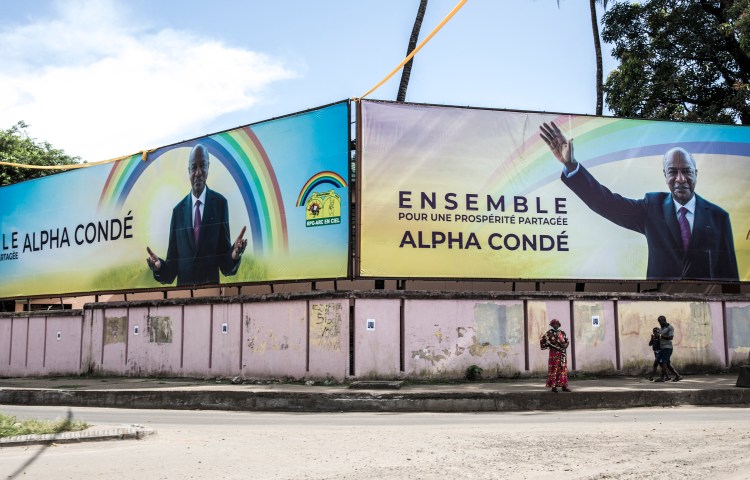
Guinea journalist Amadou Diouldé Diallo detained in hospital over alleged insults to president
Dakar, March 24, 2021 — Guinean authorities should immediately release journalist Amadou Diouldé Diallo and ensure that the press can work without fear of reprisal, the Committee to Protect Journalists said today. On February 27, police officers arrested Diallo, a sports reporter with Guinea’s public broadcaster Radio Télévision Guinéenne (RTG) and a political commentator on…
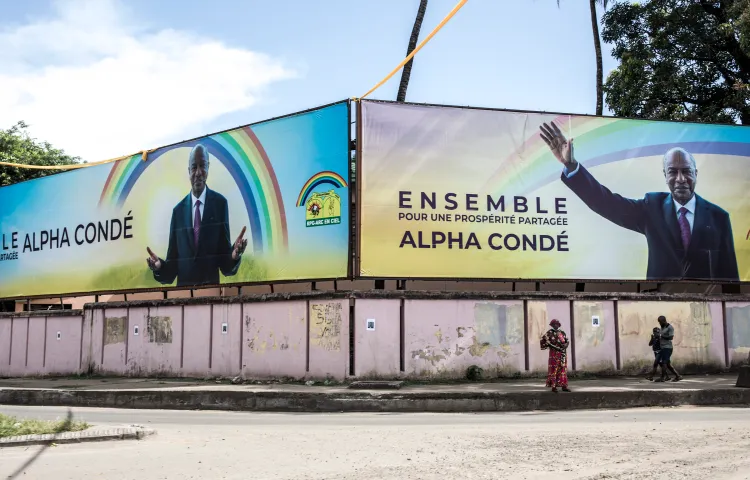
CPJ joins letter calling on Guinea government not to disrupt internet access
The Committee to Protect Journalists today joined 35 other press freedom and human rights organizations in a letter calling on authorities in Guinea to maintain the stability and openness of all digital communication channels before, during, and after the presidential election scheduled for October 18. The letter emphasized the importance of the internet and other…