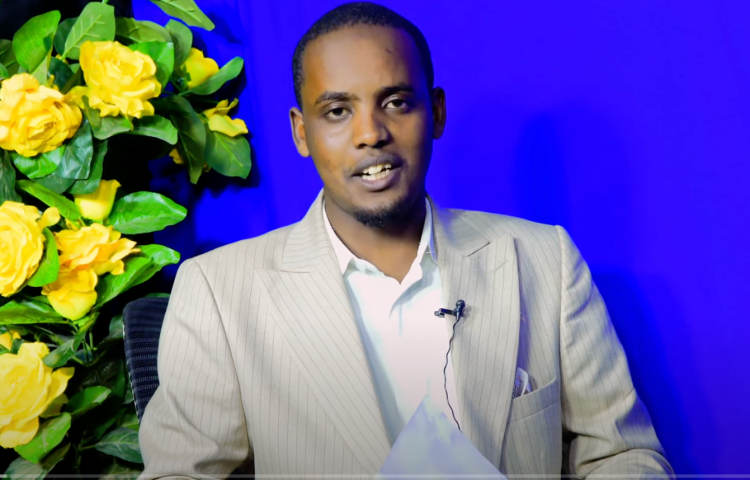
Ethiopian journalist Muhiyadin Mohamed Abdullahi faces up to 5 years in prison on false news charges
Nairobi, March 12, 2024—Authorities in Ethiopia should unconditionally release journalist Muhiyadin Mohamed Abdullahi, who was arrested almost a month ago on February 13, and desist from arbitrarily detaining members of the press, the Committee to Protect Journalists said Tuesday. Muhiyadin, who publishes reporting and commentary on his Muxiyediin show Facebook page, was arrested by security…
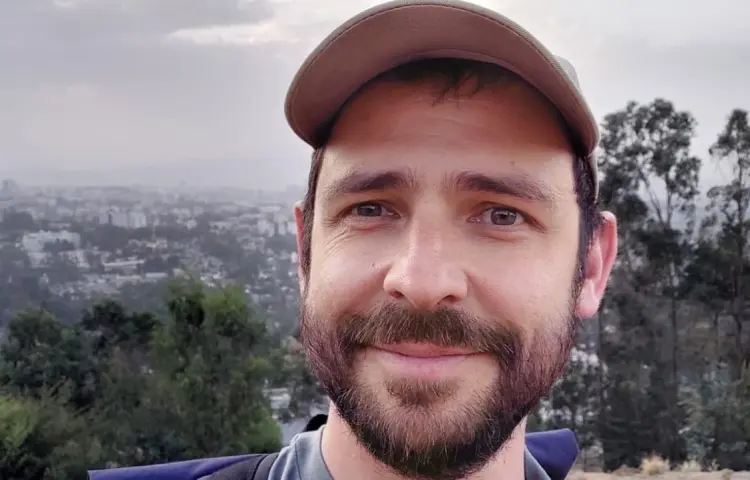
French journalist Antoine Galindo leaves Ethiopia after release
Nairobi, February 29, 2024—The Committee to Protect Journalists welcomed the Thursday release of French journalist Antoine Galindo, who was arrested in Ethiopia on February 22, and urged Ethiopian authorities to unconditionally release all other members of the press detained for their work. “It is great news that Antoine Galindo has been released, as his unjust…
French journalist Antoine Galindo detained in Ethiopia
New York, February 26, 2024—Ethiopian authorities must immediately and unconditionally release French journalist Antoine Galindo, who was unjustly detained on Thursday under alarming circumstances, the Committee to Protect Journalists said on Monday. On February 22, at 3:55 p.m., Galindo, who reports for the Paris-based privately owned news website Africa Intelligence, was detained by security forces…
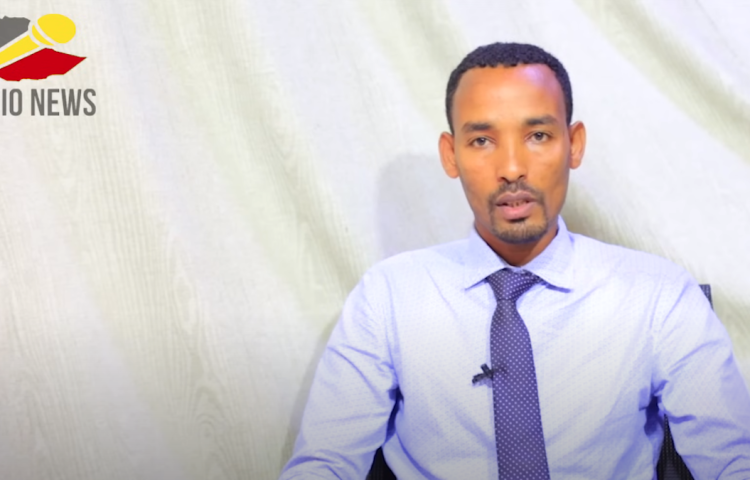
Ethiopian authorities detain Ethio News chief editor Belay Manaye without charge
Nairobi, December 4, 2023—Ethiopian authorities should unconditionally release Belay Manaye, chief editor of Ethio News, who has been detained without explanation for three weeks, the Committee to Protect Journalists said on Monday. On November 13, a group of uniformed police officers and other security personnel in civilian clothes arrested Belay in the capital, Addis Ababa,…

Tipping the scales: Journalists’ lawyers face retaliation around the globe
The smears began the day Christian Ulate began representing jailed Guatemalan journalist José Rubén Zamora: tweets accusing the lawyer of being a leftist or questioning his legal credentials. He began to fear he was being surveilled. Ulate had taken over the case in August 2022 from two other lawyers, Romeo Montoya García and Mario Castañeda,…
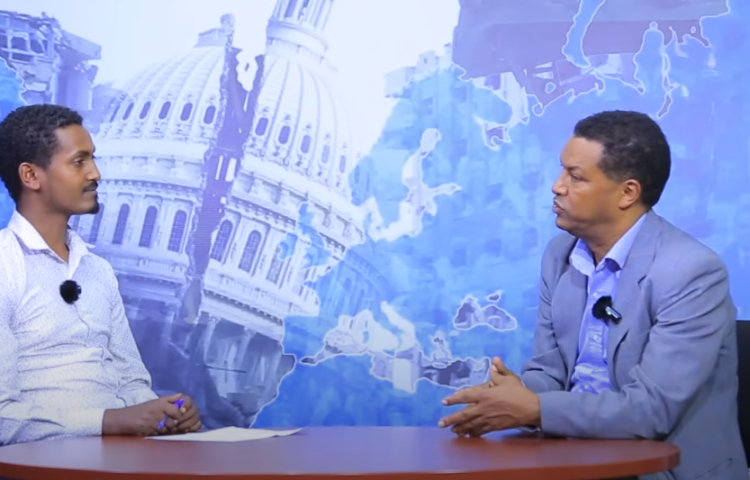
Three journalists detained in Ethiopia, transferred to military camp
Nairobi, October 5, 2023—The Committee to Protect Journalists on Thursday called on Ethiopian authorities to immediately release three journalists detained in late August and early September, and expressed grave concern about a pattern of detaining journalists amid an ongoing state of emergency. On August 26, 2023, police arrested Tewodros Zerfu, a presenter and program host…
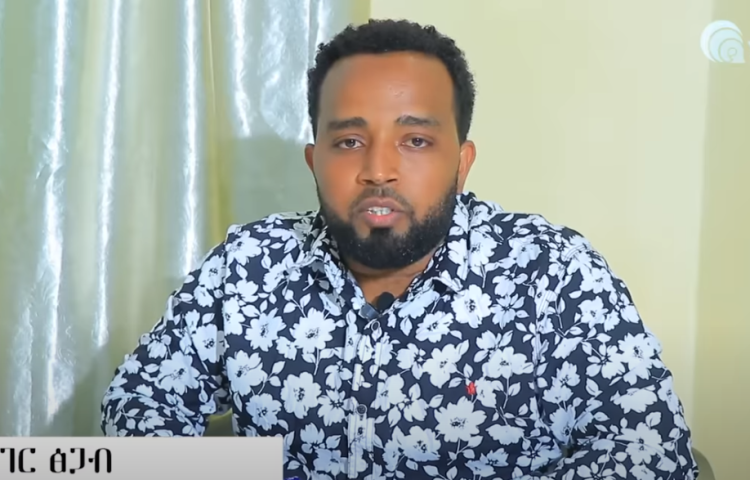
Three Ethiopian journalists beaten and detained while covering protest in Tigray
Nairobi, September 21, 2023—The Committee to Protect Journalists on Thursday called on Ethiopian authorities to hold to account security personnel who assaulted at least three journalists and to desist from harassing and detaining members of the press. On September 7, security officers in Mekelle, the capital of Ethiopia’s northern Tigray Region, beat and arrested Teshager…
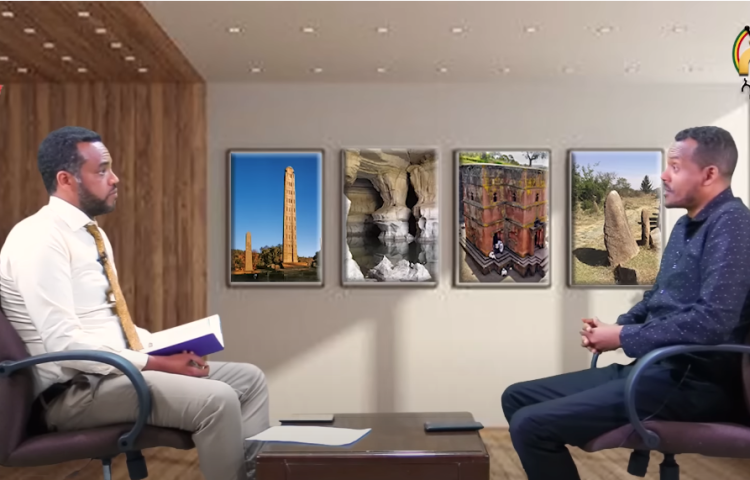
Three more journalists arrested under Ethiopia’s state of emergency
Nairobi, September 6, 2023—The Committee to Protect Journalists on Wednesday expressed deep concern about the arrest of three journalists only weeks after Ethiopia declared a state of emergency and called on authorities to promptly release all members of the press detained for their work. Abay Zewdu, chief editor of the YouTube-based broadcaster Amara Media Center…
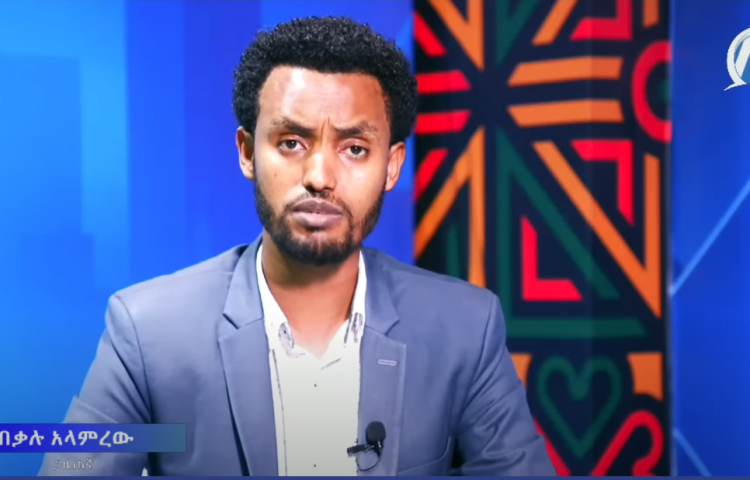
Ethiopian authorities detain Alpha Media founder Bekalu Alamrew
Durban, South Africa, August 9, 2023—Ethiopian authorities must immediately release journalist Bekalu Alamrew, founder and chief editor of Alpha Media, a YouTube-based news channel, and ensure the protection of press freedom, the Committee to Protect Journalists said today. On Sunday, August 6, at approximately 2 p.m., three uniformed police officers and two other people in…
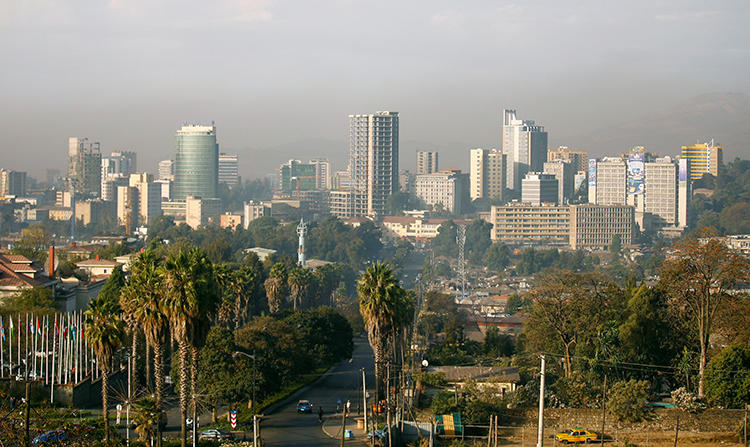
DRC police attack Congolese journalists Louis France Kuzikesa and Will Claes N’lemvo in Ethiopia
Kinshasa, August 4, 2023—Authorities in the Democratic Republic of the Congo should investigate and hold to account police officers who assaulted journalists Louis France Kuzikesa and Will Claes N’lemvo in an Ethiopian airport, and stop law enforcement officials from intimidating the press, the Committee to Protect Journalists said Friday. On July 30, a dozen men…