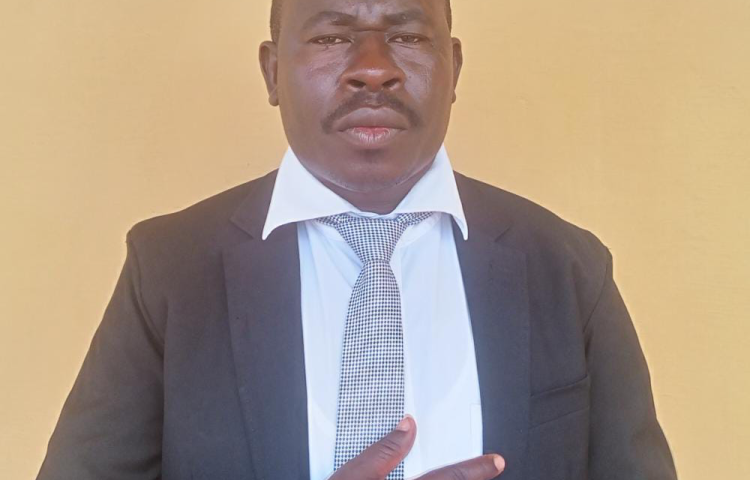
Prosecutor requests 15-month sentence for jailed DRC journalist Blaise Mabala
Kinshasa, April 22, 2024— Ahead of a court decision expected on Saturday in the prosecution of radio journalist Blaise Mabala, the Committee to Protect Journalist is alarmed that prosecutors in the Democratic Republic of the Congo have asked that he be sentenced to 15 months in prison and urges authorities to stop criminalizing the work…
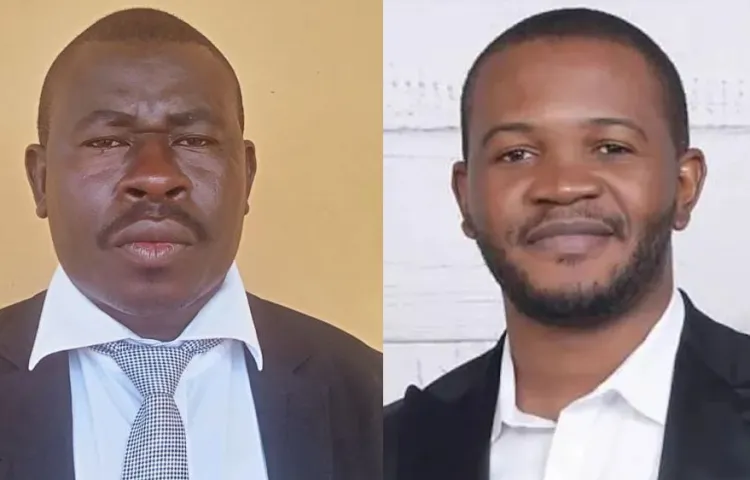
CPJ welcomes release of DRC journalist Stanis Bujakera, calls for release of Blaise Mabala
Kinshasa, March 19, 2024—The Committee to Protect Journalists welcomes the Democratic Republic of the Congo’s release of journalist Stanis Bujakera Tshiamala, but is alarmed by his six-month prison sentence and fine of 1 million Congolese francs (US$400) and the ongoing detention of journalist Blaise Mabala, who has been in custody since December. After more than…

Ahead of expected verdict, CPJ calls prosecution of DRC journalist Stanis Bujakera ‘outrageous’
New York, March 14, 2024—Ahead of an expected verdict in the prosecution of Congolese journalist Stanis Bujakera Tshiamala on March 20 and in light of recent testimony presented by the court’s technical expert on March 8, the Committee to Protect Journalists issued the following statement on Thursday. “The prosecution of journalist Stanis Bujakera has been…
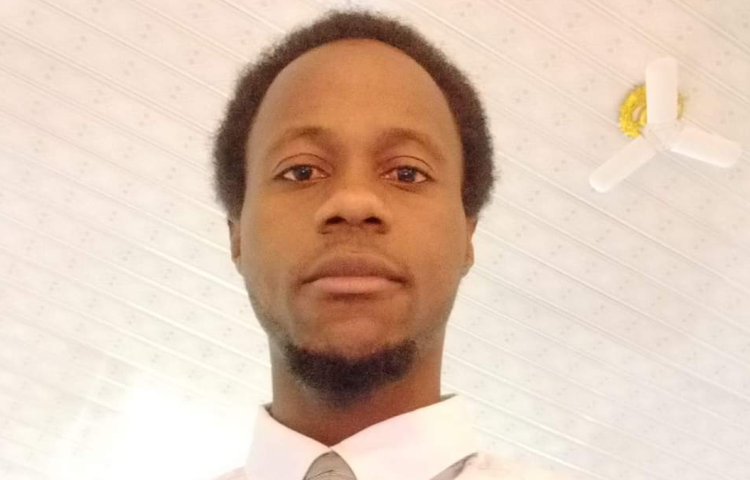
DRC police detain journalist Masand Mafuta, slap him, seize equipment and money
Kinshasa, February 28, 2024—Authorities in the Democratic Republic of Congo (DRC) must hold accountable the police officers who arrested and then assaulted journalist Masand Mafuta, and ensure his belongings are returned, the Committee for the Protection of Journalists said on Wednesday. On February 23, at least six police officers in the capital, Kinshasa, detained Masand,…
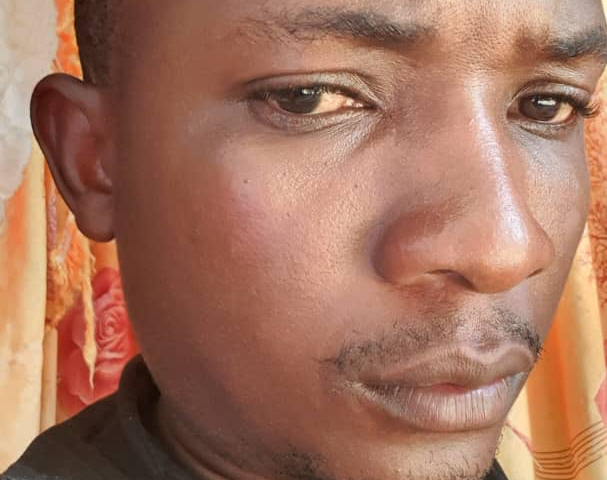
DRC journalist Lucien Lyenda attacked by armed forces while covering protest
Kinshasa, February 27, 2024—Authorities in the Democratic Republic of Congo (DRC) must investigate and hold accountable the soldiers who attacked journalist Lucien Lyenda while he covered a demonstration against insecurity in the country’s southeastern Tanganyika province, the Committee to Protect Journalists said Tuesday. On Sunday, three DRC armed forces soldiers attacked Lyenda, a reporter for…
DRC journalist Blaise Mabala detained on insult charge; Stanis Bujakara Tshiamala remains jailed
Kinshasa, January 24, 2024—Authorities of the Democratic Republic of Congo should immediately release journalists Blaise Mabala and Stanis Bujakera Tshiamala, drop legal proceedings against them, and reform the country’s laws to ensure journalism is not criminalized, the Committee to Protect Journalists said Wednesday. On December 29, 2023, police officers arrested Mabala at a provincial police…
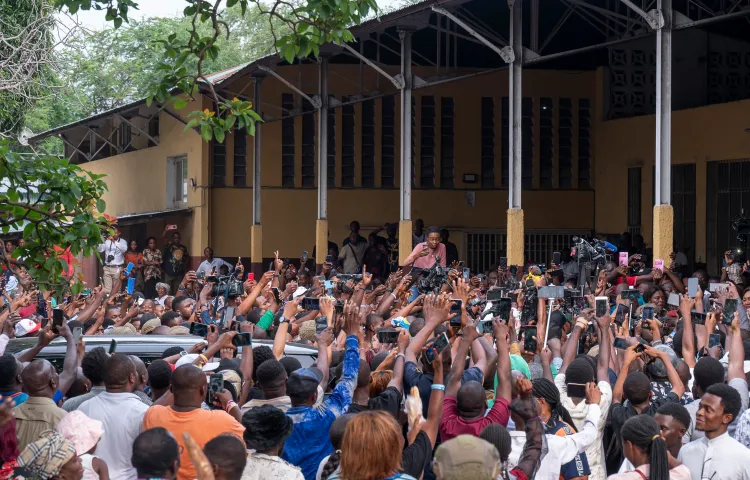
DRC journalists Pascal Mulegwa and Réné Mobembo attacked during election coverage, broadcaster ordered off air
Kinshasa, December 22, 2023 – Authorities in the Democratic Republic of Congo must allow the press to report freely on the country’s elections, swiftly investigate and hold accountable those responsible for attacking journalists Pascal Mulegwa and Réné Mobembo, and allow Perfect Télévision to continue broadcasting, the Committee to Protect Journalists said on Friday. “Journalists play…
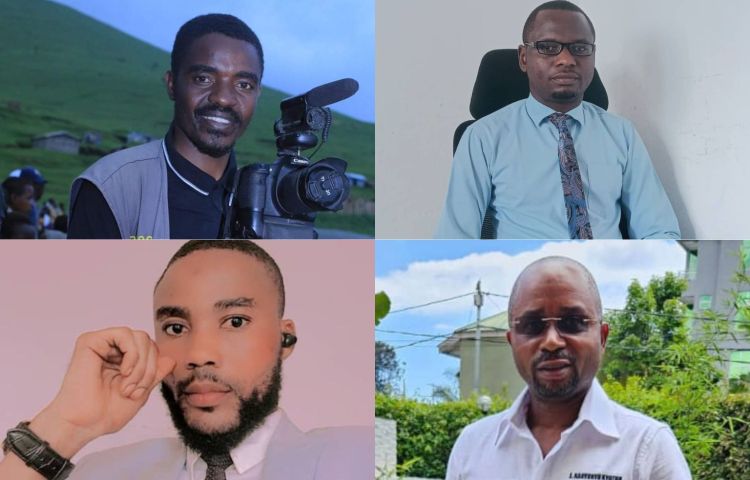
Four DRC journalists attacked or threatened while covering election campaigns, one radio station closed
Kinshasa, December 14, 2023—Authorities in the Democratic Republic of Congo must ensure the safety of all journalists covering the presidential, legislative, and provincial elections scheduled for December 20 and allow for the free flow of news and information, which is critical for the public to make informed decisions, said the Committee to Protect Journalists on…
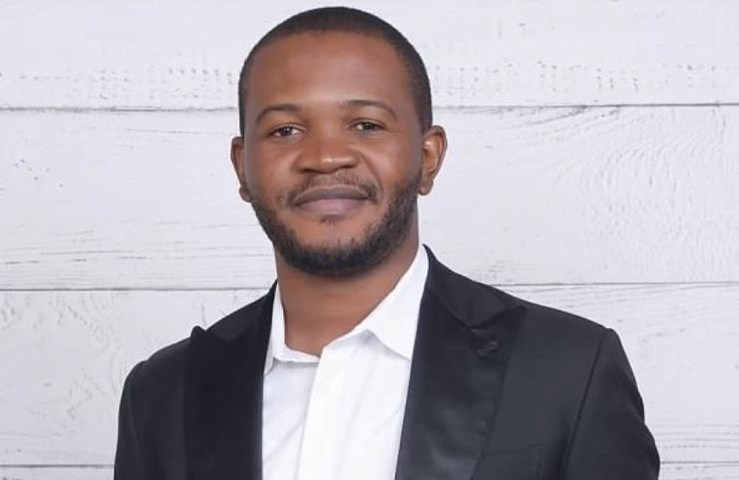
CPJ alarmed by ongoing detention of DRC journalist Stanis Bujakera
New York, November 8, 2023—The Committee to Protect Journalists is alarmed by the Democratic Republic of Congo authorities’ insistence on keeping journalist Stanis Bujakera Tshiamala behind bars and urges the approval of a second expert opinion on the evidence presented against him in the interest of fairness. On Tuesday, the Kinshasa/Gombe court rejected Bujakera’s third…
DRC journalist Blaise Mabala accused of insulting a provincial government official
Kinshasa, October 31, 2023—Authorities in the Democratic Republic of Congo should immediately release and drop their criminal prosecution against journalists Blaise Mabala and Stanis Bujakera Tshiamala, the Committee to Protect Journalists said Tuesday. On October 20, an officer with the National Intelligence Agency (ANR) arrested Mabala, radio coordinator with the privately owned Même Morale FM…