Prominent writer sentenced
New York, July 29, 2004—The Committee to Protect Journalists (CPJ) condemns the sentence handed down today to writer Nguyen Dan Que by the Ho Chi Minh City People’s Court. Que was sentenced to 30 months in prison on charges of “taking advantage of democratic rights to infringe upon the interests of the state.” Que did…
CPJ concerned about deteriorating health of imprisoned journalists
New York, July 28, 2004—The Committee to Protect Journalists (CPJ) is deeply concerned about the deteriorating health of imprisoned journalists Julio César Gálvez, Edel José García, and Jorge Olivera Castillo, who are among the 29 journalists sentenced to lengthy prison terms in Cuba in 2003. Gálvez is serving a 15-year prison sentence at La Pendiente…
CPJ says Iraq’s new media commission troubling, calls on prime minister to clarify
Your Excellency: The Committee to Protect Journalists (CPJ) is deeply troubled by the Iraqi interim government’s formation of a media regulatory commission that reportedly will have the authority to restrict news coverage.
Journalists forced to sign false confessions
New York, July 27, 2004—The Committee to Protect Journalists (CPJ) strongly condemns the conditions under which two journalists covering Vietnamese asylum-seekers in Cambodia were released without charge from a two-day detention today. On Sunday, July 25, Cambodian officials arrested Sok Rathavisal, stringer for the U.S. government–funded Radio Free Asia (RFA), and Kevin Doyle, editor-in-chief of…
Journalist freed from prison, criminal charges remain
New York, July 27, 2004—Madiambal Diagne, publication director of the independent Senegalese daily Le Quotidien, was granted a provisional release yesterday afternoon after being held for more than two weeks in prison. Diagne was jailed on July 9 in connection with articles published in Le Quotidien about alleged fraud in the customs service and alleged…
Imprisoned journalist freed
New York, July 26, 2004—Journalist Tha Ban, a former editor at Kyemon newspaper and a prominent pro-democracy activist, was released from Insein Prison in the capital, Rangoon, on July 12 after serving more than six years of his seven-year prison sentence. According to the BBC, he was released from prison after signing a pledge not…
Hong Kong newspaper offices raided
New York, July 26, 2004—The Committee to Protect Journalists (CPJ) today condemned an anti-corruption agency’s weekend raids against at least six newspapers, calling the tactic “unnecessary and heavy-handed.” Officers from the Independent Commission Against Corruption (ICAC) launched the raids after the six newspapers reported the name of a witness in a fraud investigation. The ICAC,…
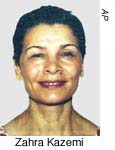
Government agent acquitted in photographer’s death
New York, July 26, 2004—An intelligence agent charged with killing Canadian-Iranian freelance photographer Zahra Kazemi in July 2003 was acquitted on Saturday, July 24. Citing insufficient evidence, an Iranian court acquitted Agent Mohamed Reza Aqdam Ahmadi of the “semi-intentional murder” of Kazemi, who died while in official custody last year after she was detained for…
CPJ concerned by new draft of press law
New York, July 23, 2004—The Committee to Protect Journalists (CPJ) and five other press freedom groups (Article 19, Media Institute of Southern Africa, Media Foundation of West Africa, Media Rights Agenda, and the International Federation of Journalists) have written to Ethiopian Information Minister Bereket Simon expressing concern about the government’s latest draft of a proposed…