A lesson for South African media: Look to Kenya
The chorus of voices opposing the South African government’s proposed Protection of Information Bill and state-backed ombudsman continue to grow. South Africa’s Business Day estimates the press produces three articles per day opposing what many journalists see as an attempt by the ruling party to muzzle investigative reporting. More than 30 editors from major papers published protest messages…
Colombia nabs alleged mastermind in Sambrano murder
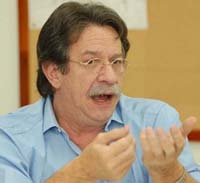
New York, August 23, 2010–The alleged mastermind in the 2009 murder of Venezuelan journalist Orel Sambrano, at left, was arrested Thursday in Colombia and is now facing extradition to Venezuela, local and international press reported.Colombian authorities arrested Walid Makled García in the city of Cúcuta, near the border with Venezuela, according to news reports. A warrant was issued in…
From grief of Maguindanao, a ‘family’ emerges
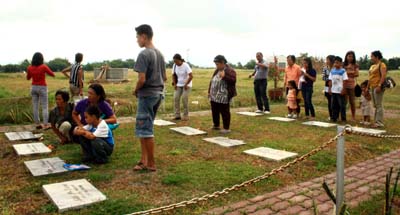
Today marks nine months since the Maguindanao massacre, the deadliest event for the press that CPJ has ever recorded. On November 23, 2009, at 10 a.m., a convoy traveling to the provincial capital of Shariff Aquak to file gubernatorial candidacy papers stopped at what appeared to be a routine military checkpoint. Hours later, authorities would…

ANC plans taint Southern Africa’s press freedom leader
As heads of state gathered last week at the summit of the Southern African Development Community, or SADC, in Namibia, their discussions were dominated by the progress of Zimbabwe’s precarious power-sharing political agreement, which includes pledges to address a repressive media environment. Leading the mediation in the Zimbabwean crisis has been neighboring South Africa, which…
Danny O’Brien podcasts: How RIM shares your e-mail
Jesse Brown, the host of “Search Engine” on TVO.org, interviews CPJ Internet Advocacy Coordinator Danny O’Brien about the Internet’s impact on politics and culture. O’Brien talks about the conflict between Canadian-based Research in Motion (RIM) and several governments in the Middle East over access to BlackBerry users’ e-mails. O’Brien has previously written about “Why governments don’t need RIM…
Venezuelan censorship over morgue photos is selective
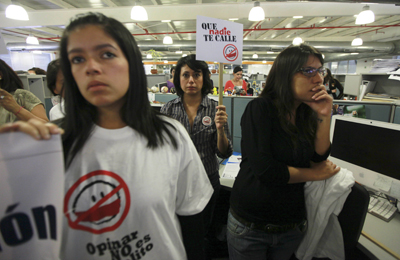
A controversial ruling by a Venezuelan court banning print media from publishing images of violence was partially reversed on Thursday following an international outcry from media, rights groups, and United Nations and Organization of American States officials.

Reuters covers CPJ’s letter to SA’s President Zuma
On August 16, CPJ sent a letter to South Africa’s President Jacob Zuma to express our concern about legislative proposals that would severely restrict South Africa’s independent press corps. The letter received a great deal of media attention in South Africa and internationally. Please follow this link to read Reuters’ article about the letter.
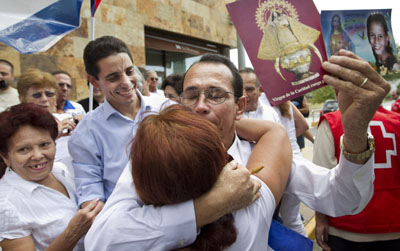
2 Cuban reporters freed, arrive in Madrid; 13 now released
New York, August 19, 2010–Formerly imprisoned Cuban journalists Fabio Prieto Llorente and Juan Carlos Herrera Acosta arrived in Spain today, bringing to 13 the number of imprisoned reporters who were freed this year as part of an agreement between the Cuban Catholic Church and the government of President Raúl Castro.