Yemeni journalists attacked; newspaper harassed
New York, May 3, 2012–The Committee to Protect Journalists condemns a series of anti-press attacks in Yemen over the past 10 days that have included assaults on two journalists, threats against two more, and the official harassment of a local newspaper.
China’s media conditions threaten Chen Guangcheng
The battle over blind Chinese activist Chen Guangcheng’s freedom and well-being is a battle over information. Both Chinese and U.S. officials are trying to spin the story their way. A few activists and media claim to speak for Chen, and in China’s anti-press environment they are putting themselves at risk. Direct interviews with the man…
As Eurovision host, Azerbaijan must promote free press
Today in its report on the Most Censored Countries in the world, CPJ singled out Azerbaijan for its lack of foreign or independent broadcasters and because the handful of journalists there who manage to work on independent newspapers or websites are subjected to intimidation, harassment, physical attacks that occur with impunity for those responsible, and…
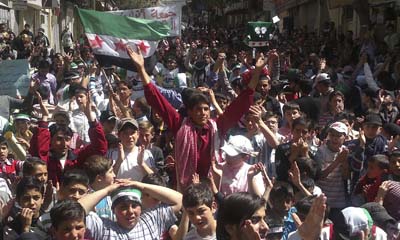
Syrian forces harass Sky News; hackers attack Ferzat
New York, May 1, 2012–Syrian security forces harassed a credentialed camera crew from the British broadcaster Sky News as the team was filming an impromptu demonstration in Damascus today, according to news reports. Authorities briefly confiscated a camera and detained two journalists, the reports said.
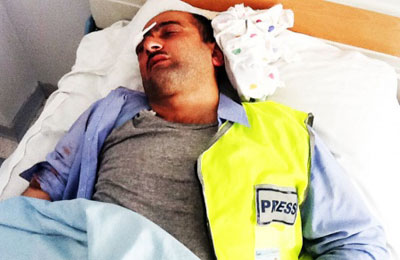
Several reporters assaulted, one hospitalized in Baku
New York, April 18, 2012–Azerbaijani authorities must promptly investigate and bring to justice perpetrators of today’s brutal assault in Baku on five independent reporters, including award-winning journalist Idrak Abbasov, who is now hospitalized, the Committee to Protect Journalists said.
Two Kenyan journalists threatened for their reporting
New York, April 13, 2012–Kenyan authorities must investigate threats made against two journalists who covered a police raid on a supermarket, the Committee to Protect Journalists said today. One of the journalists was also threatened in relation to another story he published.
Palestinian Authority detains, questions two journalists
New York, April 4, 2012–The Committee to Protect Journalists condemns the Palestinian Authority’s recent anti-press actions in which one journalist was detained for a week for reporting on alleged corruption and spying and a second was questioned over a critical article and his posts on social media. These actions occurred despite the Authority’s recent announcement…
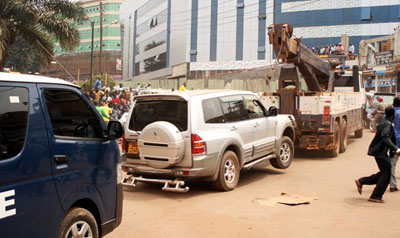
Uganda police truck hits journalist filming Besigye
New York, April 2, 2012–A Ugandan reporter who was knocked off a motorcycle by a police tow truck on Saturday while covering the arrest of opposition leader Kizza Besigye has been hospitalized for his injuries, according to local journalists. He was the sixth journalist attacked by security forces in the last 10 days, according to…
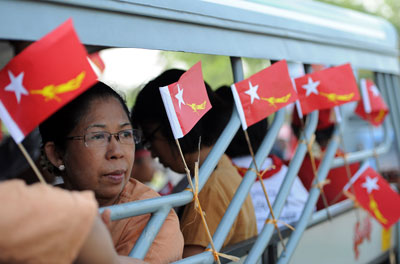
In Burma, press freedom remains an illusion
Just ahead of this weekend’s highly anticipated Burma by-elections, opposition icon Aung San Suu Kyi today denounced the vote as not “free and fair.” Indeed, Thein Sein government’s harassment of opposition media in the run-up to the polls raises disturbing questions about the country’s reputed new democratic direction after decades of repressive military rule.