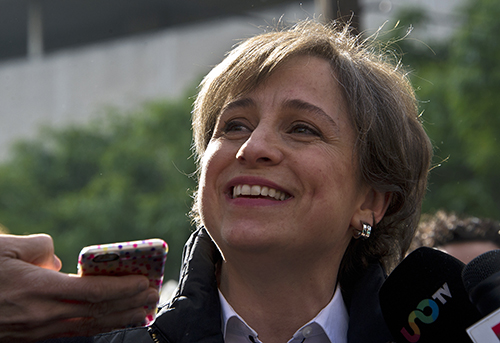
Investigative journalist Carmen Aristegui fired from Mexican radio station
She exposed government corruption with investigative reporting that made international headlines, helped launch the Mexicoleaks whistleblower website, and was voted second most powerful woman in the country last year by Forbes Mexico, but Carmen Aristegui, one of the country’s most popular radio journalists, has been fired from MVS Radio after demanding that the privately owned…
Algerian minister threatens to revoke accreditation of foreign press
On March 12, 2015, Algerian Communications Minister Hamid Grine said in a press conference that authorities had the right to revoke the accreditation of foreign correspondents if the journalists engaged in insult or defamation, according to news reports.
Ethiopia denies Temesghen Desalegn access to medical care in jail
Nairobi, March 16, 2015–Authorities in Ethiopia have denied medical attention to Ethiopian journalist Temesghen Desalegn, who has been imprisoned since October, according to sources close to the journalist. Temesghen Desalegn, owner of the now-defunct newsmagazine Feteh (Justice), is serving a three-year term in Ziway Prison, outside Addis Ababa, on charges of defamation, incitement, and false…
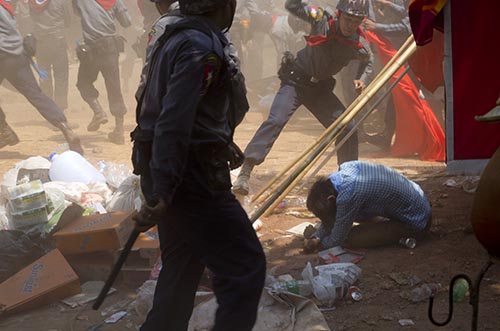
Journalists assaulted, detained in Myanmar crackdown
Bangkok, March 12, 2015–Journalists covering a security force clampdown on a student protest in central Myanmar on Tuesday were harassed, attacked, and detained by police, according to news reports. The Committee to Protect Journalists condemns the assault on and detention of journalists and calls for the immediate and unconditional release of all reporters in police…

Press law debate and journalist’s release signal hope for Burundi’s media
Burundi journalists may have more space to report freely ahead of the country’s controversial elections this year after the legislative assembly pushed for amendments to a draconian press law and a radio director was released on bail.
CPJ urges Egypt to adopt more open press climate
Dear President el-Sisi: The Committee to Protect Journalists, an international press freedom organization, is writing to express its concern about the climate for press freedom in Egypt and to follow up on meetings we had last month with several high-level officials in your administration.

How China uses J-visas to punish international media for critical coverage
In November 2013, delays and some outright refusals in issuing visas for foreign correspondents in China were making headlines. A few months later, in its March 2014 survey of members, the Foreign Correspondents’ Club of China (FCCC) described the situation as “grim.” An emailed report on results of the most recent survey (which can be…
Journalist detained over Facebook post in Myanmar
Bangkok, March 2, 2015–A journalist in Myanmar was detained by police on Friday in connection with a satirical image he posted on Facebook about renewed hostilities between government forces and an ethnic rebel group in the country’s northeastern Shan State, according to news reports. Aung Nay Myo was released today without charge, the reports said.