Algeria blocks two newspapers from publishing
Algeria’s Ministry of Communications on May 18, 2013, ordered two newspapers, the daily Mon Journal and its Arabic counterpart Djaridati, to remove two pages from their next day’s editions that focused on President Abdelaziz Bouteflika’s health, according to news reports.
CPJ condemns ransacking of radio station in Bolivia
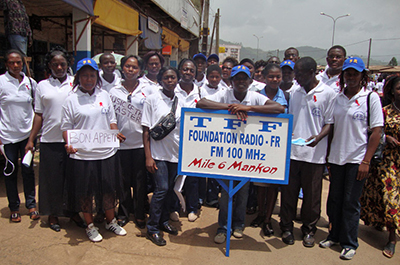
Bogotá, Colombia, May 28, 2013–An attack on a community radio station in central Bolivia constitutes a politically motivated attempt to censor its news coverage, the Committee to Protect Journalists said today as it called on authorities to investigate and apprehend the attackers.
Press must be able to work freely in South Sudan
Dear President Salva Kiir Mayardit: We are writing to express our deep concern about the deteriorating state of press freedom in your country. In the past six months, CPJ has documented several cases of attacks, intimidation, and detention of journalists by security agents in South Sudan and we are concerned that this harassment has led to self-censorship and even exile among the local press corps. We urge you to use the power of your office to ensure that journalists are allowed to work freely without harassment and censure from state security officials.
Premature praise for Burma’s press reforms
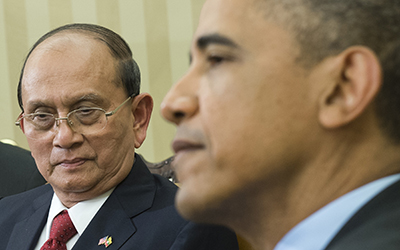
Burmese President Thein Sein made a historic visit to the White House on May 19, the latest in a series of high-level symbolic exchanges between the two nations. While Thein Sein has been regularly commended by U.S. officials for his broad democratic reform program, President Barack Obama’s praise this week overlooked a significant backtracking on…
In Iran, news coverage stifled amid election controversy
New York, May 21, 2013–Internet access has slowed, critical websites have been blocked, and several journalists have been summoned back to prison in Iran as the country’s Guardian Council made a key decision today barring two leading candidates from the presidential election. The Committee to Protect Journalists condemns the broad efforts to deny Iranian citizens…
Video: CPJ panel on Iran, with Jon Stewart, Maziar Bahari
Check out the full video of “Censorship and Power in Iran,” a panel discussion on imprisoned journalists in Iran that was held on May 8 at the School of Visual Arts in New York. The panel, featuring Iranian journalist Maziar Bahari and CPJ Executive Director Joel Simon and moderated by political satirist Jon Stewart, was…
In China, reporter’s death sparks questions on censorship
Twenty-four-year-old Bai Lu was just four days into her new job as a journalist at the Urumqi Evening Post when she was killed. She and her colleague, Chen Aiying, were struck by a bulldozer while reporting at a major construction project on April 18 in the city of Urumqi in Xinjiang province. Chen was seriously…
What’s risky? In Mexico’s twin cities, journalists don’t know
The Durango state governor was on his way to meet with reporters. Before he arrived, the reporters huddled to decide the question of the moment. It seemed obvious: Why had a former mayor been arrested the day before in what clearly seemed to be a political move? “That was the only question,” a reporter said…