Slideshow: Covering protests in Crimea
Coverage of street demonstrations is an exceptionally dangerous assignment, with journalists subject to assaults, obstruction, detention, raids, threats, censorship orders, and confiscation or destruction of equipment. This report is one in a series of three by Getty photographers who documented for CPJ their recent experiences covering protests and shared their photographs.
More journalists obstructed on the job in Crimea
New York, March 13, 2014–Journalists covering the ongoing crisis in the southern Ukrainian autonomous republic of Crimea continue to be detained, harassed, and obstructed, according to news reports. The Committee to Protect Journalists calls on all sides of the crisis to allow journalists to report freely on the events in Crimea and Ukraine.
Journalists detained, attacked while reporting in Crimea
New York, March 11, 2014–Two reporters were detained by armed men in the autonomous republic of Crimea, in southern Ukraine, while other journalists have reported being assaulted covering the crisis and their equipment damaged or seized, according to news reports. More than a dozen broadcasters have also been censored, the reports said.
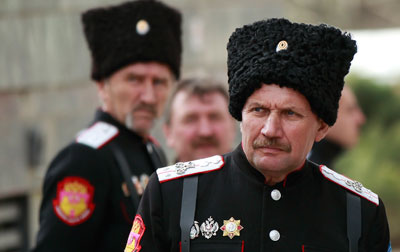
Independent media, journalists obstructed in Crimea
New York, March 3, 2014–Authorities in the autonomous republic of Crimea in southern Ukraine should ensure that media outlets and independent journalists are allowed to report on the political crisis in the region without being censored or harassed, the Committee to Protect Journalists said today.
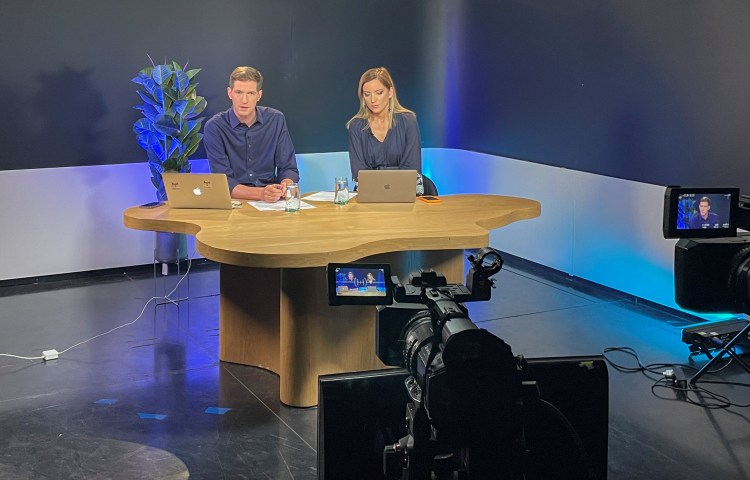
Russia’s repression record
Since Russia’s full-scale invasion of Ukraine in 2022, its media has experienced an unprecedented crackdown. Hundreds of journalists have been forced into exile, where they continue to face transnational legal persecution, and their families have been harassed back home. Meanwhile, reporting from inside Russia has become increasingly difficult, with journalists and media outlets often silenced…
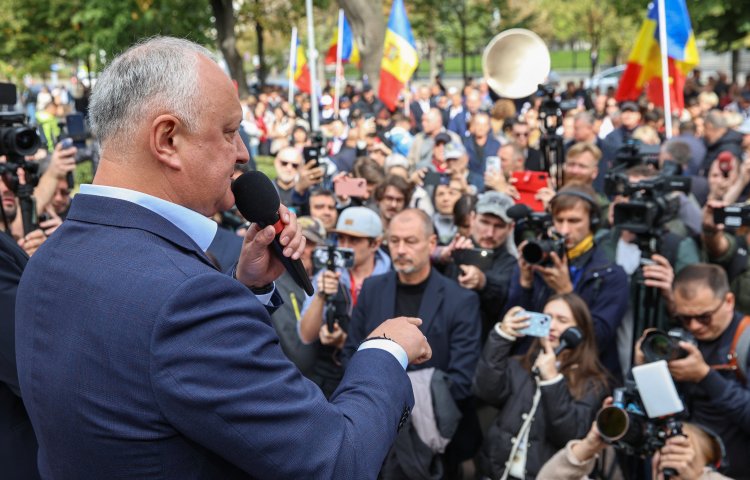
Moldovan media caught between democracy and Russian interference
The building that houses Moldova’s oldest investigative newspaper, Ziarul de Gardă, founded in 2004, is in a small courtyard near one of the busy thoroughfares in central Chișinău, the capital. Alina Radu, the award-winning newspaper’s director, is busy checking the latest issue that just came out in print. Ziarul de Gardă’s current burning topic has…
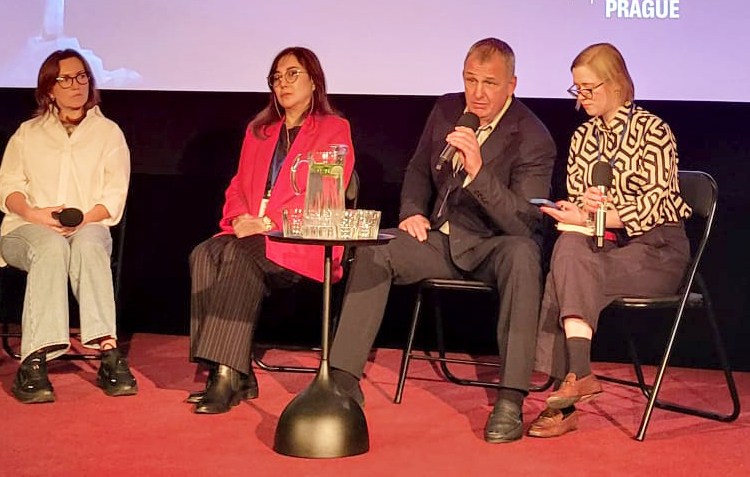
‘Life goes on without you’: Q&A with Ukrainian journalist Vladyslav Yesypenko
Captured by Russian security services and sentenced on false charges, Ukrainian journalist Vladyslav Yesypenko spent over four years in a Russian prison, enduring torture while trying to maintain his sanity and physical strength. Yesypenko, who covered Ukraine’s Russian-occupied Crimea for the U.S. Congress-funded Radio Free Europe/Radio Liberty (RFE/RL), was released in June. He was first detained by Russian authorities…