
Will UN plan address impunity, security for journalists?
Here are the facts:A journalist is killed in the line of duty somewhere around the world once every eight days.Nearly three out of four are targeted for murder. The rest are killed in the crossfire of combat, or on dangerous assignments such as street protests.Local journalists constitute the large majority of victims in all groups.The…

London statement urges strong steps to protect journalists
More than 40 media organizations worldwide are demanding urgent action by governments, the United Nations, and the industry to stop violence against journalists and end impunity in attacks on the press. They made their position known in a joint statement delivered today to the U.N. Educational, Scientific, and Cultural Organization (UNESCO).

After Malala shooting, Taliban goes after media critics
Journalists, like many others in Pakistan, have spoken out strongly since the Taliban attempted to kill the teenage Malala Yousafzai on October 9. The Taliban, in return, are threatening the media over their coverage, according to journalists and news reports.
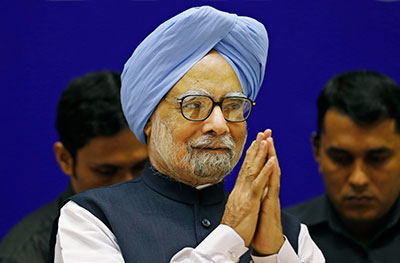
For India, celebrations not in order on Singh’s birthday
This week, Indian Prime Minister Manmohan Singh marked his 80th birthday. He spent the day, Wednesday, in the company of family and at public events, according to news reports. “There are no celebrations. He prefers to be with his family in the morning–then work as usual,” Singh’s spokesman told the media.
Request a Speaker
CPJ employs international media experts with specialized regional and global knowledge on press freedom issues. Our experts are available for conferences, panel discussions, testimonies, university talks, and fundraisers. To request a CPJ representative, please submit an email to Samantha Libby at [email protected], stating event information, location, size of audience, audience profile, and speaker presentation length.…
CPJ Impact
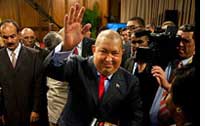
News from the Committee to Protect Journalists, August 2012 CPJ releases report on Venezuela in run-up to elections As a result of President Hugo Chávez Frias’ 13 years in office, several critical media outlets have either disappeared or been scared into silence. The gap has been filled by a vast state media presence that merely…
India’s clumsy Internet crackdown
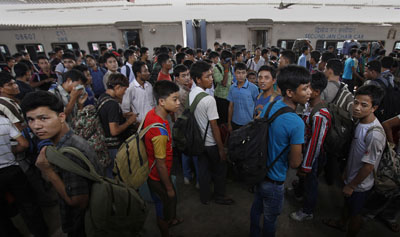
Indian Internet advocates and journalists are in an uproar this week over the news that the government has blocked access to around 300 websites, pages, and social media accounts in an effort to quell communal violence in the turbulent northeast. The rationale is that inflammatory online content has fanned tensions between Muslims and non-Muslims in…
Time to reassess U.S. military counterinsurgency tactics
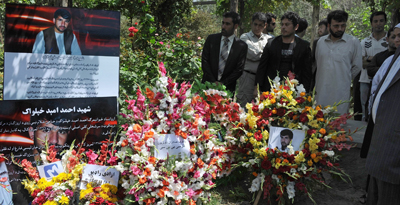
One year ago, on July 28, 2011, Ahmad Omaid Khpalwak, 25, was killed by American troops during a brutal close-quarters battle with a Taliban suicide squad backed by gunmen. Khpalwak was one of 22 people killed in the hours-long siege on government buildings that included the governor’s office and police headquarters in Tarin Kot, capital…