Halftime for the Brazilian press
2. The vicious cycle of impunity By Sara Rafsky When the World Cup kicks off in Brazil in June, the government of President Dilma Rousseff will be celebrating the country’s emergence as a global powerhouse. The event, to be staged at sites across the country, will put the nation’s vast and diverse territory on display,…
News from the Committee to Protect Journalists, April 2014
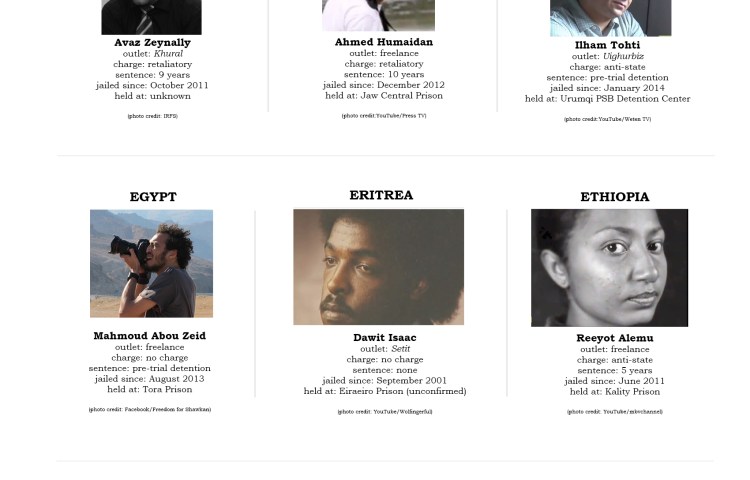
World Press Freedom Day campaign In the lead-up to World Press Freedom Day, CPJ has started a campaign highlighting 10 emblematic cases of journalists in prison and calling on authorities to release them and all other reporters being held in relation to their work. CPJ believes that no journalist should be imprisoned for doing their…
Ten journalists to free from prison
On World Press Freedom Day, CPJ calls for the release of all jailed journalists By Shazdeh Omari/CPJ News Editor New York, April 29, 2014—Uzbek editor Muhammad Bekjanov has been in jail for 15 years, one of the longest imprisonments of journalists worldwide. Prominent Iranian journalist Siamak Ghaderi was imprisoned in 2010 and has been beaten…
In Bangladesh, journalist summoned for criticism of court
It’s not the first time, and it likely won’t be the last: Bangladesh’s International Crimes Tribunal has demonstrated little tolerance for criticism of its activities. Last week, the tribunal launched contempt of court proceedings against Dhaka-based British journalist David Bergman for his blog posts on the court.
Express News Peshawar bureau chief faces attacks
Masked men threw a hand grenade at the home of Express News Bureau Chief Jamshed Baghwan in the Murshadabad neighborhood of Peshawar on April 6, 2014, according to news reports. Baghwan was in his home at the time of the attack, but no one was injured, news accounts said. The main gate of the home…
CPJ condemns attack on TV news anchor Hamid Mir
New York, April 19, 2014–The Committee to Protect Journalists is alarmed by the continuing violence directed at journalists in Pakistan. Geo News senior anchor Hamid Mir today was shot three times soon after he and his driver left Karachi’s main airport, according to media reports. The driver was not wounded.
Getting Away With Murder
CPJ’s 2014 Global Impunity Index spotlights countries where journalists are slain and the killers go free IraqUnsolved Murders: 100Population: 32.6 millionRank: 1 SomaliaUnsolved Murders: 26Population: 10.2 millionRank: 2 The PhilippinesUnsolved Murders: 51Population: 96.7 millionRank: 3 Sri LankaUnsolved Murders: 9Population: 20.3 millionRank: 4 SyriaUnsolved Murders: 7Population: 22.4 millionRank: 5 AfghanistanUnsolved Murders: 5Population: 29.8 millionRank: 6 MexicoUnsolved…
News from the Committee to Protect Journalists, March 2014
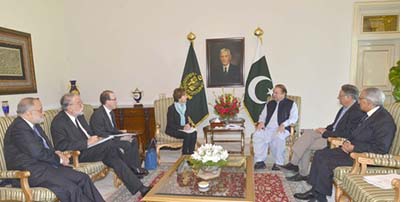
Pakistani PM pledges justice, journalist security to CPJ A CPJ delegation traveled to Pakistan this month and met with high-level Pakistani officials including Prime Minister Nawaz Sharif, who pledged to continue to expand Pakistan’s media freedoms and address the insecurity plaguing the country’s journalists.
What should happen following the Raza Rumi attack
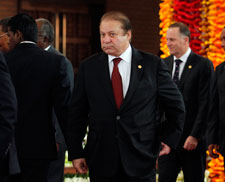
On March 28, gunmen sprayed the car of TV anchor and widely-respected analyst Raza Rumi, a member of the Express Group of media organizations. He escaped serious injury, but his driver, Mustafa, died. It was the fourth attack on the Express Group in eight months, with four people dead. There has been no serious police…
Blacklisted in Baluchistan
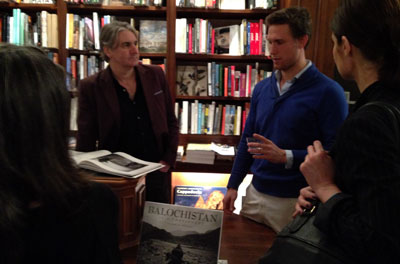
Pakistani Prime Minister Nawaz Sharif made a series of commitments to safeguard press freedom during a meeting with a CPJ delegation last week. Among them was a pledge to speak out in support of media freedom and against attacks on journalists, particularly in high-conflict areas like Baluchistan.