Attacks on Knight Center sites reflect digital dangers
The two websites at the University of Texas at Austin, at first blush, seemed to have been unlikely targets for attack. The Knight Center for Journalism in the Americas and its blog cover news about journalism, press freedom and journalist safety throughout the Western hemisphere, with an emphasis on trends in Latin America. The website…
Arrests in Torreón press crimes; will it make difference?
Twenty-one people have been arrested for a wave of crimes that included 11 murders (six of which were committed against police officers), the abduction for hours of five employees of El Siglo de Torreón newspaper, the murder of a mayoral candidate, and attempted murder of a current mayor in a large metropolitan area in central…
Attacks on the Press in 2012
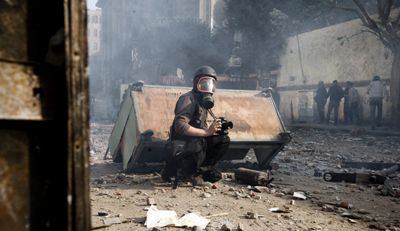
A news crew crossing into Syria walks for three nights, legs aching and lungs burning, edging past army checkpoints to cover a war the government wants to obscure. A Liberian reporter dares to expose a dangerous ritual even as menacing strangers deliver death threats to her office. In central Mexico, a drug cartel’s vicious takeover…
Attacks on the Press in 2012: Mexico
As the military battled drug cartels–and the gangs clashed with one another–the press came under fire from criminals and corrupt officials seeking to control the flow of information. Journalists disappeared or were threatened or forced to flee in reprisal for their work, and several media outlets were attacked. Freelance journalist Adrían Silva Moreno was shot…
Attacks on the Press in 2012: Americas
Analyses and data track press conditions throughout the region. Mike O’Connor describes cartel-imposed censorship in the Mexican state of Zacatecas. Carlos Lauría recounts how members of the Organization of American States failed to stand up for press freedom. And John Otis examines a spike in Brazilian murders targeting critical bloggers.
Attacks on the Press: Killed in 2012: A Worldwide Roundup
Killed in 2012: A Worldwide Roundup The number of journalists killed in the line of duty rose sharply in 2012, as the war in Syria, a record number of shootings in Somalia, continued violence in Pakistan, and a worrying increase in Brazilian murders contributed to a 49 percent increase in deaths from the previous…
Repression deepens as Correa heads to new term
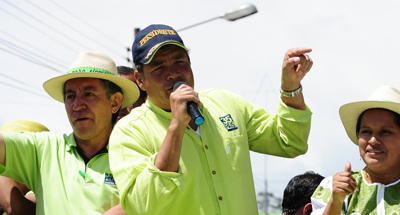
One result of President Rafael Correa’s high-profile campaign to demonize the country’s private media can be seen on the desk of José Velásquez, news manager at Teleamazonas, a private Quito television station often critical of the government. Among the documents piled high on his desk are lawsuits, which used to be a rare thing. Encouraged by…