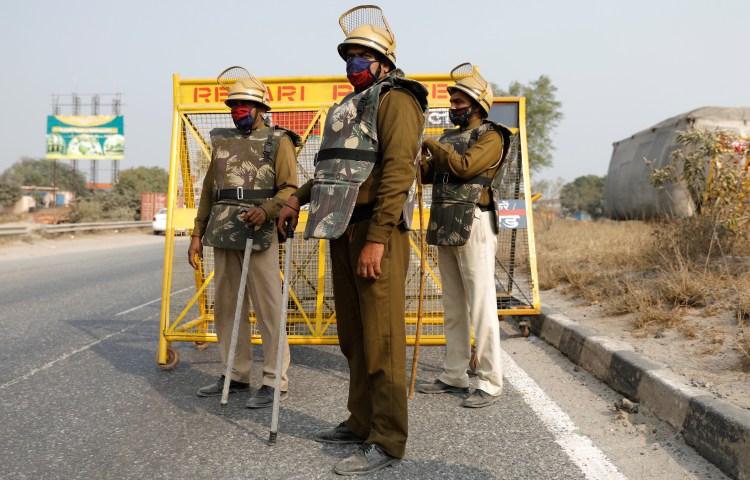
Journalists in India face attacks, legal action, and threats
In September and October 2020, lists circulating online allegedly identifying journalists as “anti-Hindu” or as “Indian agents” named dozens of local members of the press, police opened investigations into at least two reporters and one media executive, and authorities attacked at least one journalist during the course of his reporting, according to news reports and…
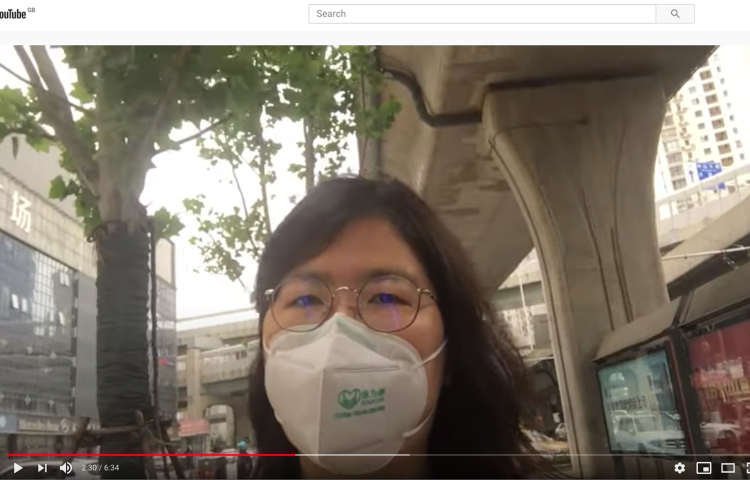
Journalists jailed for social media “terrorism” highlight content moderation challenges
A journalist in China uploaded a video to YouTube criticizing the Chinese government’s response to the coronavirus outbreak in Wuhan. Another, in Vietnam, left a state-owned newspaper but continued posting stories they wouldn’t let her cover on Facebook. In Egypt, a freelance photographer streamed an anti-government protest from his balcony on Facebook Live. In Iran,…
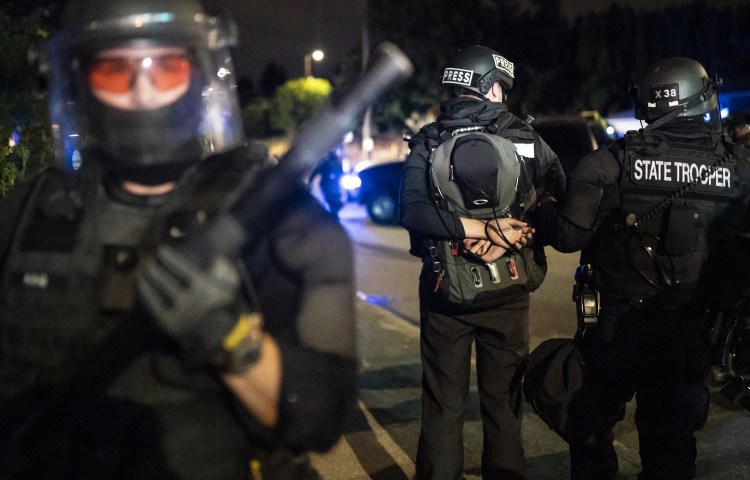
CPJ providing safety resources ahead of US election
Journalists from foreign outlets spoke to CPJ about their concerns covering the U.S. elections, which are exacerbated by COVID-19, curtailed campaigns, civil unrest, visa issues, and an unpredictable political environment. CPJ’s Deputy Executive Director Robert Mahoney called the Trump administration’s plans to restrict foreign journalist visas “chilling,” warning they could “invite similarly restrictive moves by…
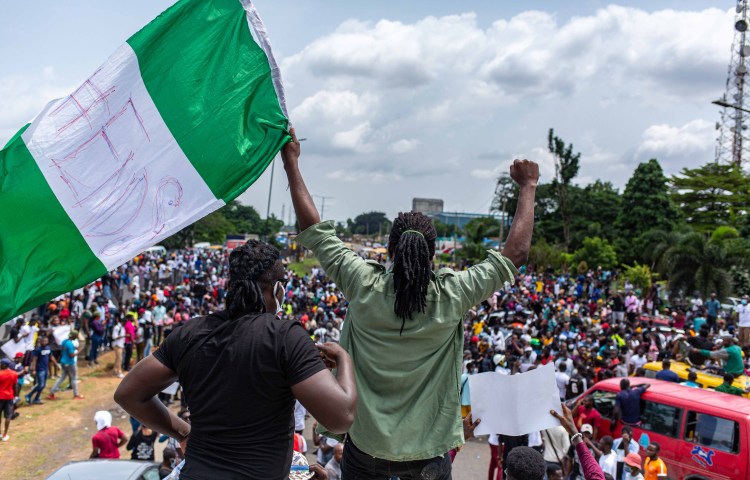
Violence hits journalists covering Nigeria protests
In Nigeria, local media say journalists are experiencing violence during demonstrations against police brutality. CPJ calls on Nigerian authorities to ensure that the press is able to do its work freely and safely. In 2019 and 2020, at least two Nigerian journalists–Precious Owolabi and Alex Ogbu–were killed during protests, according to CPJ research. The press…
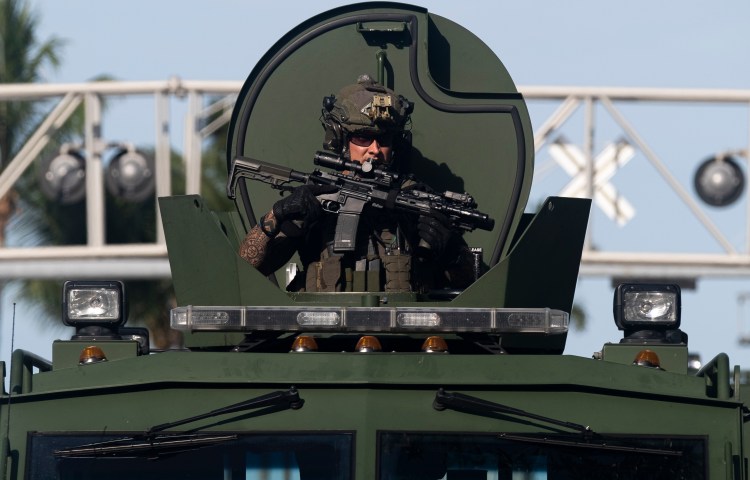
Police militarization (and wildfires) put U.S. journalists at risk
An increasingly militarized police presence at protests across the United States creates a dangerous reporting environment, journalists told CPJ. Those covering unrest in the U.S. are encouraged to consult CPJ’s new legal guide, which explains the rights of journalists when confronted by law enforcement while covering a protest or political event. Female journalists in Pakistan…
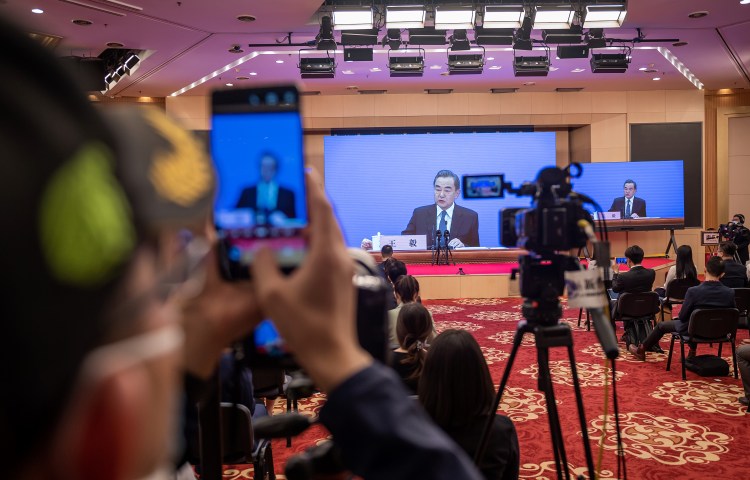
International journalists face expulsion, detention in China
Australian journalists Bill Birtles and Mike Smith fled China for Australia after China lifted a travel ban that barred both journalists from leaving the country. Separately, Chinese authorities imposed new restrictions targeting journalists at U.S. news organizations in China. In Belarus, police continued to arrest and obstruct journalists covering protests. Since protests began in August,…
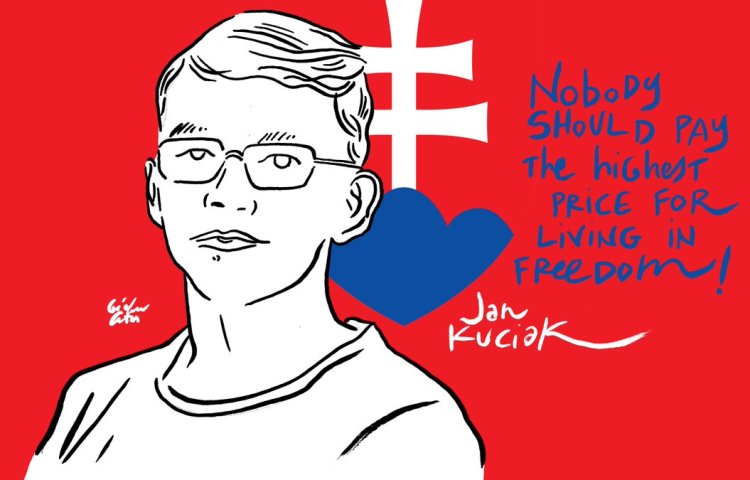
Slovak tycoon acquitted in murder case of Slovak journalist Kuciak and his fiancée
Read and subscribe to The Torch newsletter: CPJ disappointed by verdict in trial for murder of Slovak journalist Ján Kuciak; In Iran, 2020 press freedom awardee sentenced to more than 4 years in jail; Journalist Chin’ono released on bail in Zimbabwe
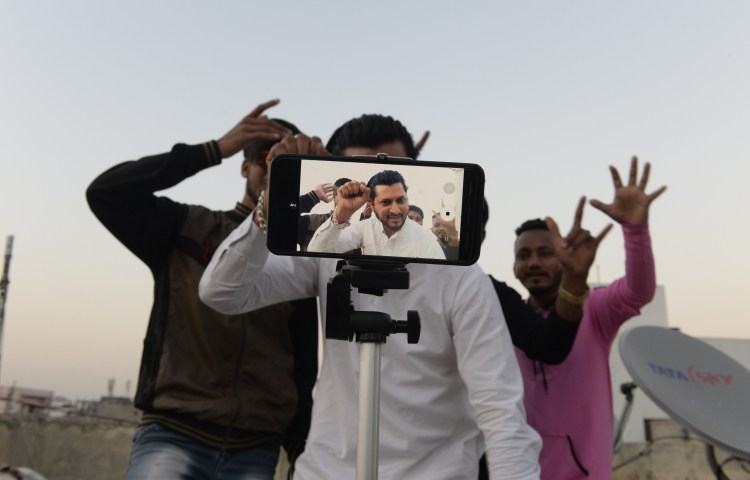
TikTok ban in India and US could set a risky precedent
India recently banned the social media app TikTok, and President Donald Trump has issued an order saying the U.S. will follow suit should the app remain Chinese-owned. CPJ’s consultant technology editor, Madeline Earp, analyzed how the move could have implications for press freedom, particularly by normalizing bans with far more direct consequences for the news…
Outlawing TikTok may not impede journalists, but U.S. and India bans could set a risky precedent
“Allison, can Trump ban TikTok?” Dave Jorgenson, The Washington Post’s self-described “TikTok Guy” asks in an August 3 video on the app. His colleague Allison Michaels responds: “The answer is yes, but how he can do it is kind of complicated…” It would be a typical exchange between journalists, but for the surreal setup: Jorgenson is standing over a birdbath, asking…
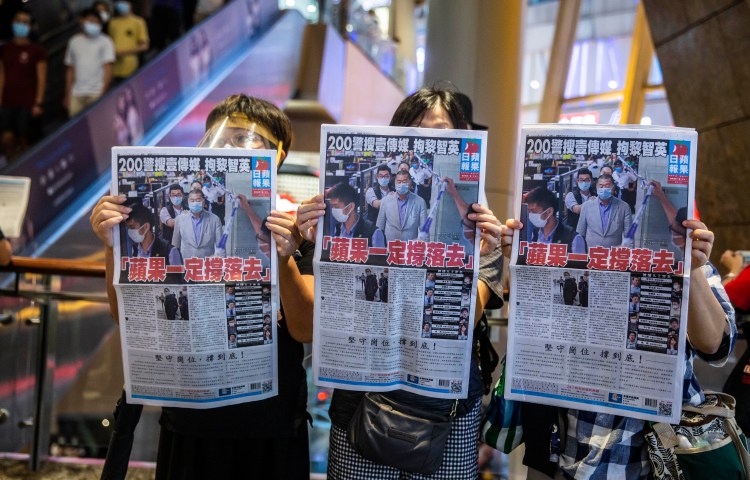
Hong Kong journalists “tiptoeing under a python in a chandelier”
The impact of Hong Kong’s new security law was felt by journalists this week with the police raid of the Apple Daily newsroom and arrests intended “not just to thwart [the founder Jimmy] Lai and his media group, but to intimidate Hong Kong’s entire community of journalists,” wrote CPJ’s Asia Program Coordinator Steven Butler in…