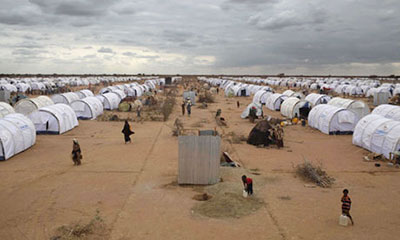
Somalis in Kenya hounded by security forces, refugee policy
Exiled Somali journalists living in Nairobi were struck with disbelief this week when daily newspapers published a statement by the Department of Refugee Affairs ordering all Somali refugees to move to refugee camps. “The refugees, particularly those living in urban centers, are contributing to insecurity in the country,” the statement read. The acting commissioner for…
Four Palestinian journalists assaulted by Israeli soldiers
New York, December 14, 2012–Israeli soldiers assaulted four Palestinian journalists and forced them to strip naked at a checkpoint in the West Bank city of Hebron on Wednesday, according to news reports. Two of the journalists worked for Reuters, and two for local Palestinian news outlets, the reports said.
On Human Rights Day, make your voice heard on impunity
In 1950, the United Nations General Assembly declared December 10 Human Rights Day in commemoration of the adoption and proclamation two years earlier of the Universal Declaration of Human Rights. Every year, on this day, the U.N. chooses one right to highlight and advocate. This year, Human Rights Day is focused on the right of…
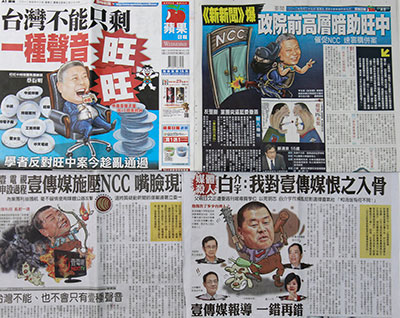
Taiwanese media sale could threaten press freedom
A media buyout in Taiwan which would put independent news outlets critical of China into the hands of a pro-Beijing media tycoon is cause for concern for the island’s press. Jimmy Lai, the outspoken mogul behind Hong Kong-based Next Media and the Apple Daily tabloid, is selling his Taiwan holdings to a group of businessmen…
Journalist attacked, another briefly detained in Congo
Security agents assaulted Sylvie Ndinga, video journalist for the private broadcaster MNTV, and detained Yvon Le Pape, a reporter for the same station, in Brazzaville, the capital, on September 17, 2012, according to local journalists and news reports.

Awardees say indignation trumps intimidation
The battle for a free press sometimes feels like a war between indignation and intimidation. Journalists learn of abuses of power, crime, or corruption, and–indignant–they speak out. In response, the perpetrators of those abuses–be they government officials or criminals–try to intimidate the journalists into silence with threats, lawsuits, jail, or even murder. Last night, the…
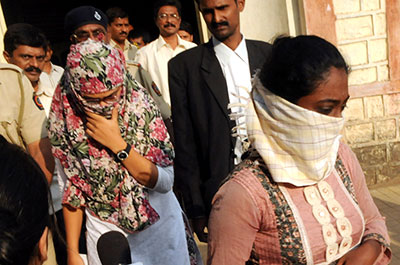
DRC bans broadcasts on conflict in eastern Congo
The Higher Council for Broadcasting and Communication, or CSAC, the DRC’s state-run media regulatory agency, announced in August 2012 that it would indefinitely ban broadcasters from airing talk shows and call-in programs about the ongoing conflict between the government and rebels in the eastern provinces of the country, according to news reports.