Hostage video shows Japanese journalist Jumpei Yasuda, who went missing in Syria
A freelance Japanese journalist who went missing in Syria in June 2015 appeared in a video on March 16, 2016, which was posted to the Facebook account of a Syrian named Tarik Abdul Hak. Jumpei Yasuda, who speaks in English in the video, says that no one in Japan cares about his captivity, and that…
Four journalists, human rights lawyer pardoned in Azerbaijan
New York, March 17, 2016 – The Committee to Protect Journalists welcomes Azerbaijan’s decision to release four independent reporters and a human rights lawyer, urges authorities to ensure they will not have criminal records, and calls on authorities to free all journalists who remain behind bars.

As US-Cuba relations thaw, what’s next for the island’s independent press?
“Our hope is that President Obama will meet journalists working for the alternative media, not just to cover his visit, but to start a dialogue,” said Elaine Díaz Rodríguez, director of Periodismo de Barrio (Neighborhood Journalism) a website focusing on climate change and the impact of natural disasters on local communities. Díaz, who last year…
CPJ joins call to renew Iran special rapporteur mandate
The Committee to Protect Journalists has joined 34 other organizations in calling on the U.N. Human Rights Council to vote in favor of renewing the mandate of the special rapporteur on the situation of human rights in the Islamic Republic of Iran. The vote is scheduled to take place during the 31st session of the…
Turkey Crackdown Chronicle: Week of March 13
Prosecutors preparing charges against media owner, pro-government newspaper says Turkish prosecutors are preparing a case against media owner Aydın Doğan and his daughter, Hanzade Doğan Boyner, claiming they ran a fuel-smuggling ring, the pro-government daily newspaper Akşam said in a front-page story yesterday. Akşam said prosecutors were seeking a 23-year sentence against the businessman, whose…
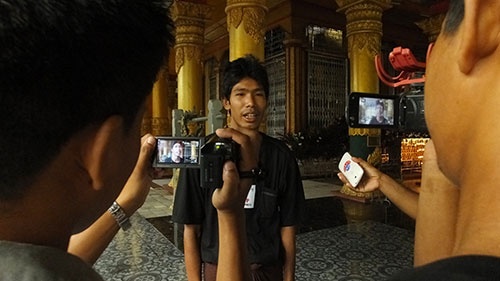
Australian journalists harassed and threatened in Malaysia
Bangkok, March 14, 2016 – Authorities should immediately lift restrictions imposed on the freedom of movement of two Australian journalists in Malaysia and drop all legal threats against them, the Committee to Protect Journalists said today.

China’s overseas critics under pressure from smear campaigns, cyber attacks
“I think my actions … have harmed the national interest. What I have done was very wrong. I seriously and earnestly accept to learn a lesson and plead guilty,” said Chinese journalist Gao Yu during a televised confession on the state-run channel CCTV in May 2014.