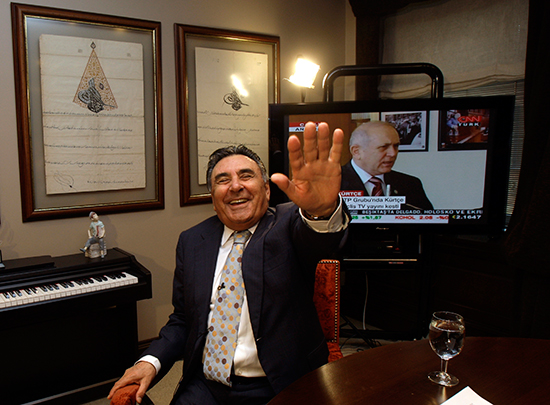
Turkey Crackdown Chronicle: Week of July 10
Prosecutors interrogate journalist on suspicion of ‘insulting the president’ Prosecutors in Istanbul yesterday interrogated İhsan Çaralan, a columnist for the socialist daily Evrensel, on charges of “insulting the president” in connection with a May 31 article in the beleaguered, pro-Kurdish daily newspaper Özgür Gündem, Evrensel reported. Çaralan had symbolically acted as co-editor of Özgür Gündem…
CPJ testifies on Turkey’s press freedom record before House Foreign Affairs Committee
CPJ Europe and Central Asia Program Coordinator Nina Ognianova today provided written testimony at a hearing titled “Turkey’s Democratic Decline,” given before the Europe, Eurasia, and Emerging Threats Subcommittee of the U.S. House Foreign Affairs Committee.
Lesotho editor in critical condition after shooting
New York, July 13, 2016 – Lesotho authorities should launch a credible investigation into the shooting of veteran editor Lloyd Mutungamiri and bring all those responsible to justice, the Committee to Protect Journalists said today. Mutungamiri is in critical condition in a hospital in South Africa, his employer told CPJ today.

In Oaxaca, reporters covering teachers’ union protests face violence, threats
The atmosphere in Nochixtlán, a small, rural community in Mexico’s southern state of Oaxaca, was tense on June 20. The day before, members of a dissident teachers’ union had clashed with federal and state police while protesting education reform. Shots were fired and, by the end of the day, nine people had died and dozens…
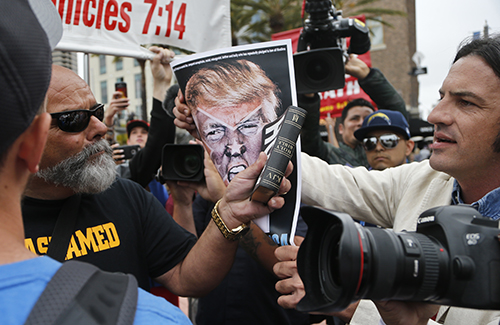
Be prepared: steps to staying safe while covering US political party conventions
The U.S. political party conventions in Cleveland and Philadelphia this summer carry the risk of civil unrest. While protests have long occurred both inside and outside of convention venues, security experts and political commentators have said this year’s gatherings have the potential for unrest not seen since in the U.S. since the Vietnam war-era clashes…
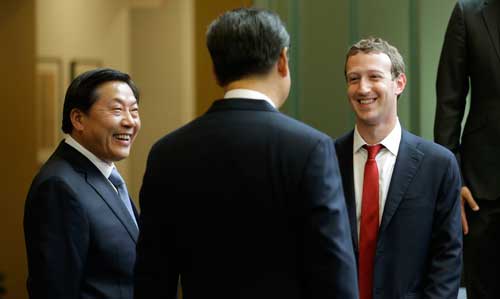
China’s information and internet controls will only tighten under Xu Lin
When the new director of the Cyberspace Administration of China, Xu Lin, issued on July 3 a warning that websites not report unverified content drawn from social media without facing possible punishment, it was clear that Beijing would move quickly beyond the Lu Wei era of information control. The announcement demanded that news websites provide…
CPJ calls on Merkel to use Kyrgyzstan visit to secure Askarov’s release
CPJ calls on German Chancellor Angela Merkel to use her upcoming visit to Kyrgyzstan to call on officials there to release the imprisoned journalist and human rights defender Azimjon Askarov. The U.N. Human Rights Committee found in April 2016 that Kyrgyzstan is obligated to free Askarov, quash his conviction, and pay him compensation for unjust imprisonment. Chancellor Merkel is scheduled to visit Kyrgyzstan on July 13 and 14.