
Conditions deteriorate for foreign press in China, FCCC finds
The Foreign Correspondents’ Club of China annual survey, released this week, showed a steady deterioration of working conditions in China for the foreign press. The report, “Access Denied,” documented increased efforts by Chinese authorities to deny or restrict foreign correspondents’ access to large parts of the country in 2017. Increasingly, foreign ministry officials use China’s…
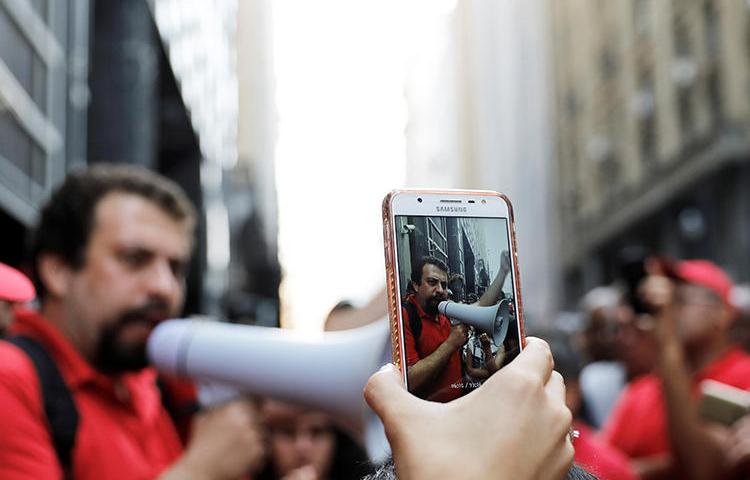
Ahead of elections, Brazil’s police announce plan to crackdown on ‘fake news’
In November last year, Brazilian police stopped a truck on a highway in the center of the country and, after a thorough search, discovered more than six tons of marijuana stashed in false compartments. The truck had the name Romanelli on the side, but police said it was a label designed to confuse and that…

Mexico’s special prosecutor says FEADLE is improving, but impunity continues
For approximately two months, Mexico’s office of the Special Prosecutor for Attention for Crimes Against Freedom of Expression (FEADLE) led a nomadic existence after its building was damaged in a September 19 earthquake that killed almost 400 people in and around Mexico City. The agency now has a new home, but the natural disaster served…
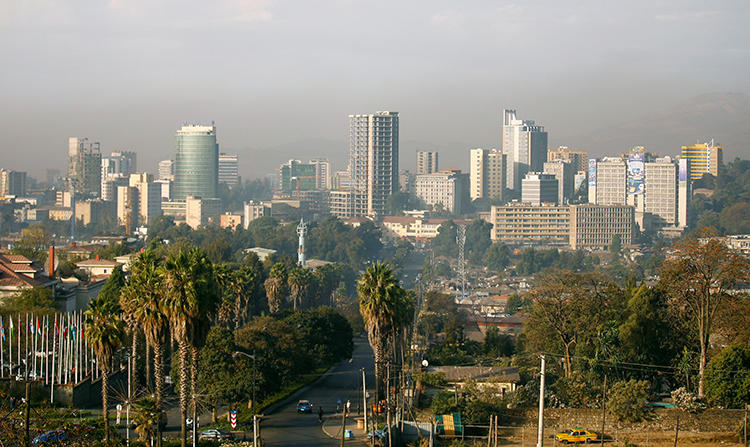
Why release of two journalists in Ethiopia does not signal end to press crackdown
On January 10, radio journalists Darsema Sori and Khalid Mohammed were released from prison after serving lengthy sentences related to their work at the Ethiopian faith-based station Radio Bilal. Despite their release and Prime Minister Hailemariam Desalegn’s promise earlier this month to free political prisoners, Ethiopia’s use of imprisonment, harassment, and surveillance means that the…
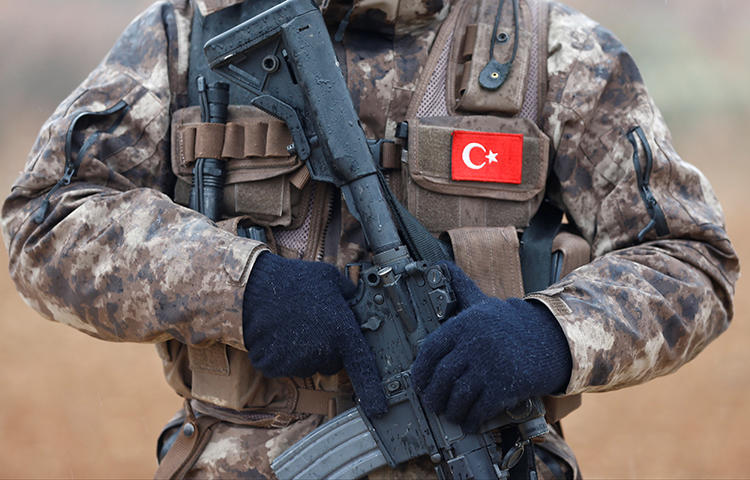
Turkey Crackdown Chronicle: Week of January 22, 2018
Journalists jailed Istanbul authorities on January 18 ordered Veli Haydar Güleç, the former board member for the shuttered TV10, and Veli Büyükşahin, a former TV10 chairperson and current columnist for the online newspaper Artı Gerçek, to be held in pre-trial detention, Artı Gerçek reported.

How US vote to extend NSA program could expose journalists to surveillance
The U.S. Senate last week approved a six-year extension to Section 702 of the Foreign Intelligence Surveillance Amendments Act (FISA), in a move that could put journalists at risk. Because people targeted by Section 702 are often of interest to the press as well as the NSA, journalists are more likely than most to have…

As German hate speech law sinks Titanic’s Twitter post, critics warn new powers go too far
The satirical magazine Titanic appears to have been an unlikely victim of Germany’s recently adopted online anti-hate speech law, NetzDG. “We were truly surprised,” the magazine’s editor-in-chief Tim Wolff told CPJ, as he explained how Twitter blocked the Titanic account for 48 hours after the magazine republished a post Twitter had deleted, in which Titanic…
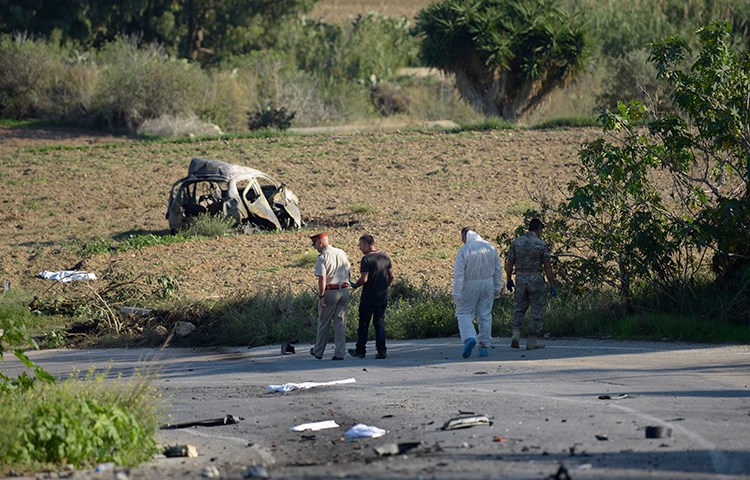
CPJ joins call for an effective investigation into murder of Maltese journalist Daphne Caruana Galizia
The Committee to Protect Journalists today joined a group of partner organizations to express concern over the lack of progress into the murder investigation of Maltese journalist Daphne Caruana Galizia. Along with the journalist’s family, the group of organizations calls on the Parliamentary Assembly of the Council of Europe to appoint a special rapporteur to…
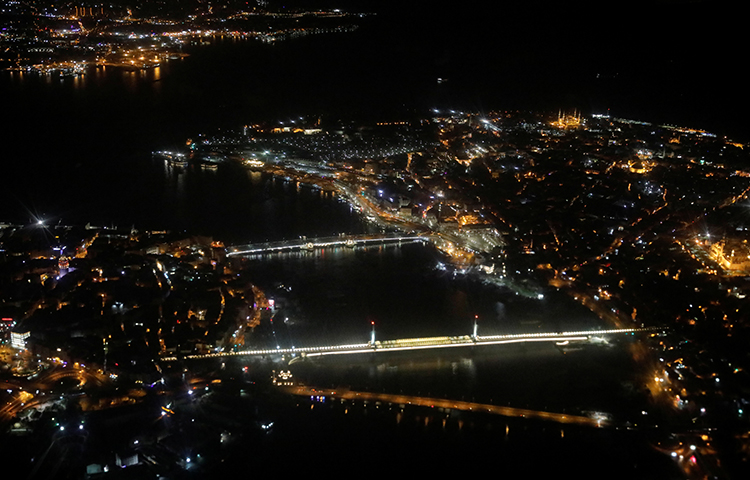
Turkey Crackdown Chronicle: Week of January 15
Journalists in custody Police the southeastern city of Diyarbakır on January 12 detained Selman Keleş, a former reporter for the shuttered, pro-Kurdish Dihaber News Agency, and released him the next day on order of a local court, online newspaper Gazete Karınca reported.
CPJ joins call for EU to stop surveillance software going to rights abusers
The Committee to Protect Journalists today joined a group of human rights groups in calling on the European Parliament to vote tomorrow in favor of legislation that could prevent surveillance equipment from going to rights-abusing governments.