The quest for funniest journalist benefits CPJ
How many journalists does it take to change a light bulb? If anyone has an answer to that, he or she was probably in the crowd that gathered last night for Commedia dell Media, the journalists’ stand-up comedy gala benefitting CPJ and other press freedom groups. Follow the link for details.

Truth about jailed journalists is locked away in Eritrea
In the reclusive Red Sea nation of Eritrea, the fate of 10 journalists who disappeared in secret prisons following a September 2001 government crackdown has been a virtual state secret—only occasionally pierced by shreds of often unverifiable, secondhand information smuggled out of the country by defectors or others fleeing into exile.
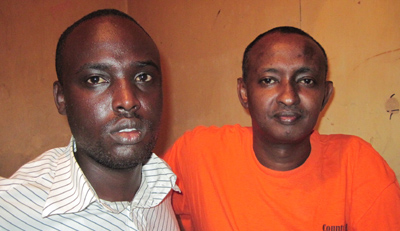
Exiled Somali journalists face new challenges in Nairobi
Somali journalists Hassan Ali Gesey and Abdihakim Jimale are roommates these days, living in a tiny, graffiti-ridden room in Nairobi, Kenya. Neither would have wanted to eke out an existence like this, but dire circumstances brought them together—starting with the night three years ago that Gesey saved Jimale’s life.

Media center in Haiti has become ‘anchor point’ for press
Three months after it opened, Haitian journalists are still benefitting from the wide-ranging services provided by the Media Operations Center, which has provided a workspace for journalists after the earthquake. While radio stations based in the capital are back on the air, the long power cuts and problems accessing the Internet are still prompting journalists…

Technicalities: 10 Questions on WikiLeaks
Monday’s release of graphic video footage of an attack by the U.S. military on two Reuters journalists vividly depicted the dangers involved in covering a battlefield. It also thrust into the spotlight WikiLeaks, the enigmatic Web site responsible for obtaining, decoding, and publicizing the footage. Here’s 10 questions answered on WikiLeaks, including how it works, its goals, and some…
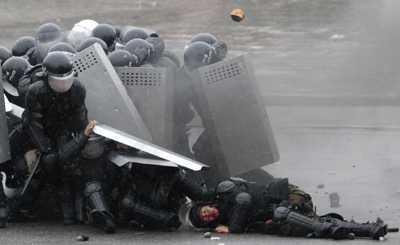

A distorted picture from Iraq
The Iraqi government is keeping photographers away from scenes of suicide attacks, according to a piece published today by Stephen Farrell on The New York Times’ “At War” blog. CPJ has objected to government regulations promulgated in May 2007 barring photographers from the scene of such bombings for an hour after they take place.
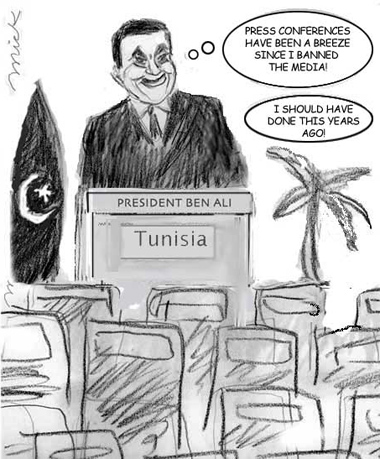
A perfect press conference in Tunisia
The government of President Zine El Abidine Ben Ali has made it clear there is little room for a critical press in Tunisia. Taking a cue from the government’s recent anti-press actions, CPJ cartoonist Mick Stern imagines the president’s “ideal” press conference. See more Mick Stern cartoons.
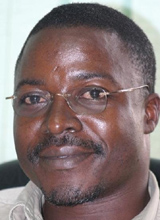
In Uganda, bill challenges press freedom
On March 24, I received an e-mail from a close friend under the intriguing subject “What…?” On opening the e-mail, I discovered my friend was not impressed by two articles in that morning’s newspapers condemning the government’s recent proposal to amend the press law and introduce new restrictions on the publication of newspapers.

China imposed strict controls on Google coverage
Our friends at China Digital Times have translated recent orders from China’s State Council Information Office to domestic news organizations and Web sites about how to handle the country’s ongoing dispute with Google. We’re posting an excerpt here, but please read the whole link. There’s a great discussion about government censors’ plans for monitoring social…