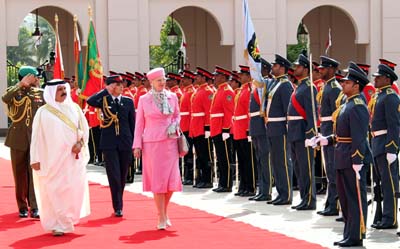
Kings, queens, and torture in Bahrain
Queen Margrethe II of Denmark visited Bahrain in February at the invitation of King Hamad ibn Isa Al Khalifa. As part of the official program, the queen honored Hamad with the “Storkorset af Dannebrog,” the second highest Danish royal order. Although the visit took place about two weeks before Bahraini authorities began a violent crackdown…
On food safety, China misapplies a ‘blacklist’
Sarcasm reflects how aware the Chinese public has become of the dangers of adulterated food. After Japan’s Fukushima nuclear crisis, a rumor circulated in China that table salt could prevent radiation. In spite of the government’s efforts to curb the rumors, tons of overpriced table salt were sold overnight. Chinese netizens reassured the public in…
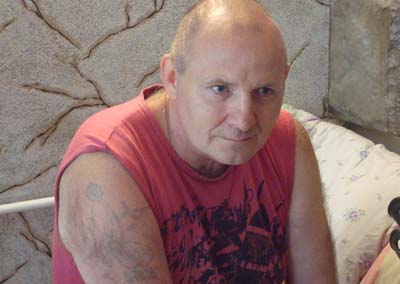
Beketov back on his feet, and a long road awaits
Mikhail Beketov can walk now–using an artificial leg and propping himself on crutches. He’s moving around his house in the Moscow suburb of Khimki. It was here, in his front yard, where the newspaper editor was attacked two years and seven months ago. It was in this yard where assailants left him for dead. The…
Subjectivity, advocacy in covering human rights
The tension between objective news reporting and advocacy was the subject of the final plenary panel that I moderated last week at the Global Media Forum in Bonn. Sponsored by Germany’s multi-language, government broadcast agency, Deutsche Welle, the three-day conference brought together journalists and experts from every continent to address but not necessarily resolve the…
A legal attack accompanies assault on Pakistani journalists
Concerned that so many Pakistani journalists have been threatened, abducted, killed, or beaten recently? So are they. When I was in Karachi and Islamabad in late April and early May, I found that they are starting to take steps to protect themselves with increased safety training and protective gear at the larger media houses that…
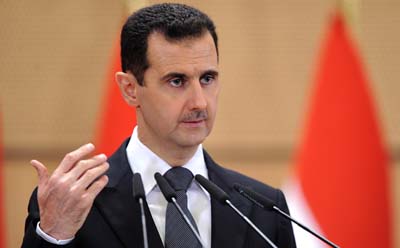
Syria’s Assad gives tacit OK to online attacks on press
On Monday, Syrian President Bashar al-Assad gave his third public address on the vast unrest that has roiled his nation. Reporters described him as nervous. He, the reporters, or perhaps both, may have been thinking about the significance of speech No. 3. Both Tunisia’s Zine El Abidine Ben Ali and Egypt’s Hosni Mubarak were overthrown…
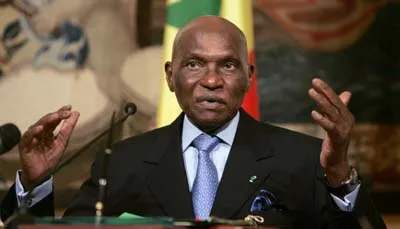
Mission Journal: Politics influence justice in Senegal
Senegalese journalists say justice is not on their side when they are victims of abuse by powerful officials or security forces. I met recently in Dakar with journalists targeted with criminal acts in apparent reprisal for their work. In these two high-profile cases, CPJ has found evidence of political influence on the judiciary.
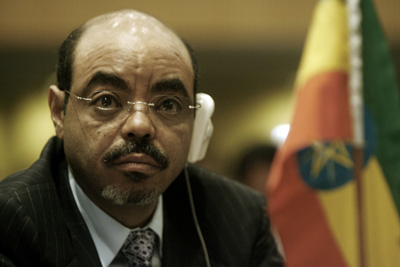
In Ethiopia, anti-terrorism law chills reporting on security
How can an Ethiopian reporter cover the activities of Ethiopia’s leading opposition figure, Berhanu Nega, or an attack by the Ogaden National Liberation Front (ONLF) rebels without risking prosecution and a 20-year prison sentence? Such questions have haunted Ethiopian journalists since a far-reaching anti-terrorism law came into effect in 2009. The law criminalizes any reporting…
Rimjin-gang’s latest reporting from North Korea
Here’s a quick pointer to Rimjin-gang, my favorite website delivering current reporting from North Korea. Produced by Japan-based Asia Press Network, Rimjin-gang is also just about the only site producing news from one of the world’s most censored nations.
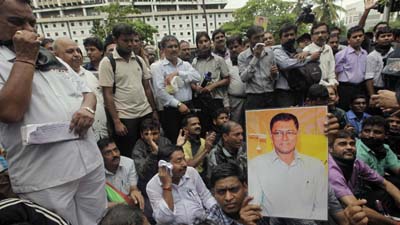
Recalling J Dey, Mumbai’s heralded crime reporter
In the comfort of my London home, far from the dangers of crime reporting in Mumbai, the news flash on television seemed unreal. Senior journalist Jyotirmoy Dey had been killed, pumped full of five bullets in broad daylight. I thought things like this only happened in Bollywood flicks, and that crime reporters in Mumbai never…