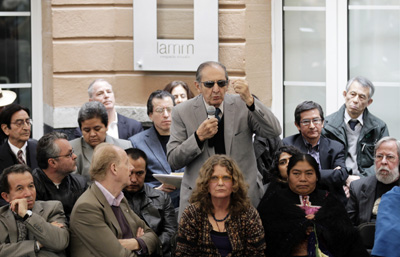
In Mexico mission, PEN speaks for a silenced press
The leading American author Russell Banks set the tone on Sunday as he stood among international writers and their local colleagues in Mexico City: “A nation’s journalists and writers, like its poets and story-tellers, are the eyes, ears, and mouths of the people. When journalists cannot freely speak of what they see and hear of…
For journalists, cyber-security training slow to take hold
For centuries, journalists have been willing to go to prison to protect their sources. Back in 1848, New York Herald correspondent John Nugent spent a month in jail for refusing to tell a U.S. Senate committee his source for a leak exposing the secret approval of a treaty with Mexico. In a digital age, however,…
Google+, real names and real problems
At the launch of Google+, Google’s attempt to create an integrated social network similar to Facebook, I wrote about the potential benefits and risks of the new service to journalists who use social media in dangerous circumstances. Despite early promises of relatively flexible terms of service at Google+, the early days of implementation were full…
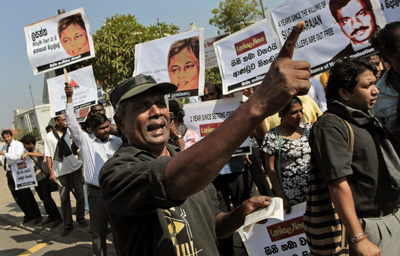
Black January? A foreign plot, says Sri Lankan government
On Monday, I wrote about two demonstrations scheduled for Sri Lanka this week. Both were meant to commemorate the ugly string of anti-press attacks in recent Januaries, which has included journalists killed and abducted, television stations bombed, websites attacked, and media offices torched. But Wednesday’s Black January effort, publicized by the Free Media Movement (FMM)…
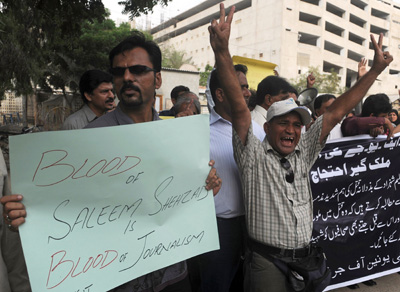
Mazhar Abbas: Shahzad was no Pearl
Yesterday marked the 10th anniversary of the disappearance of Wall Street Journal reporter Danny Pearl in Karachi on January 23, 2002. On February 21 of that year, a video of his beheading was released. In the wake of the judicial inquiry into the murder of journalist Saleem Shahzad, veteran Pakistani journalist Mazhar Abbas has taken…
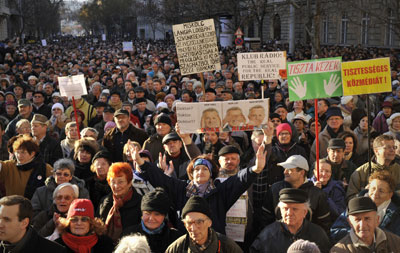
Criticism of Hungary’s media controls keeps growing
“Klubrádió solely wants to provide news and present different opinions and never meant to play any emblematic role. But, because of the decision of the Media Authority, it has became the symbol of free speech in Hungary,” stated the broadcaster’s CEO, András Arató, on Sunday when addressing thousands of demonstrators who gathered in central Budapest…
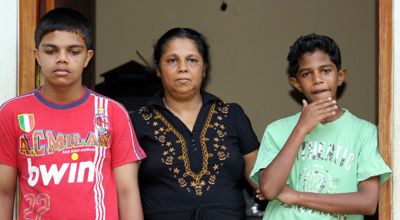
Tunisian media: One year after the revolution
The doses of freedom that the Tunisian revolution injected into national media have not been sufficient to revive it after decades of systematic destruction. It is not surprising that our evaluation of media one year after the tyrant fell reveals more negativity and pessimism.
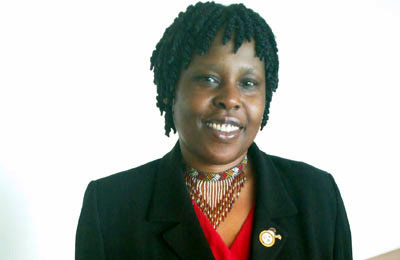
Uganda’s radio closures uncover lack of independence
Ugandan police have shuttered 13 broadcasters since December, accusing them of misusing power supplies and equipment belonging to the state-run Uganda Broadcasting Corporation (UBC). The widespread allegations of corrupt deals between the state broadcaster and ostensibly private stations reveal more than illicit transactions–they expose a lack of independence within Uganda’s broadcast sector.