Even by Pakistani standards, a terrible month for press
May has been a terrible month for journalists in Pakistan, a country that has ranked as the world’s deadliest place for the press for two consecutive years. Two journalists have been killed, two more shot and wounded, and one attacked while in police custody, all in less than a month, according to news reports.
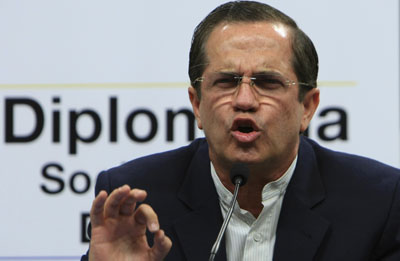
Nations urge Ecuador to guarantee freedom of expression
Stressing concerns of human rights groups about the deterioration of press conditions under the administration of President Rafael Correa, 17 members of the United Nations submitted recommendations to Ecuador on freedom of expression issues before the U.N. Human Rights Council this week. While Ecuador tried to pass off the criticism as resulting from ignorance, the…
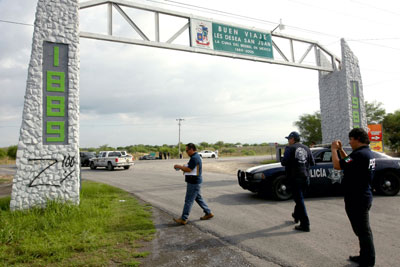
El Mañana cedes battle to report on Mexican violence
They would tell you that the killers haven’t let them cover real news for several years–if you call news serious information that’s important to the public, like why the police didn’t investigate so many murders or kidnappings or extortions. Or why drugs were sold so openly. Or that three former governors are being investigated for…

No joke: Moves to squelch Pakistani media, again
With general elections approaching, the landscape is again bearing eerie resemblance to the final days of General Pervez Musharraf’s reign. In November 2007 he banned selected TV channels for 88 days to stifle what he saw as “irresponsible journalism.” Now, Pakistani electronic media might be chained again, this time for violating cultural and ethical values…
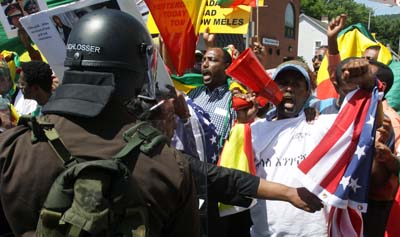
Members of Congress urge Meles to end repression
Two members of the U.S. Congress, a Republican and a Democrat, have publicly voiced indignation at Ethiopia’s persecution of journalists under the leadership of Prime Minister Meles Zenawi, with both declaring that stability and security are enhanced by press freedom.
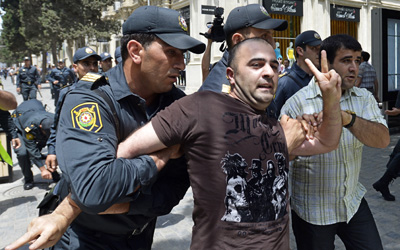
As Eurovision starts, partnership cites Baku repression
As the Eurovision song contest gets under way in Baku, Azerbaijani authorities continue to suppress freedom of expression, detaining 10 protesters on Monday, Reuters reported. The International Partnership Group for Azerbaijan, a coalition of free expression organizations that includes the Committee to Protect Journalists, has launched a website, Facebook and Twitter pages to highlight the…
Sudan’s press under siege
Press freedom in Sudan is rapidly deteriorating, with confiscation of newspapers by the security agency becoming a norm. The scope of violations committed against publications and journalists by the Sudanese National Intelligence and Security Services (NISS) is widening by the day.

Don’t get your sources in Syria killed
Because foreign journalists have been virtually banned from Syria during the uprising against Bashar al-Assad’s regime, news coverage has relied heavily on citizen journalists and international reporters working with sources inside the country. Syrians who communicate with foreign news media run the risk of being threatened, detained, tortured, or even killed.
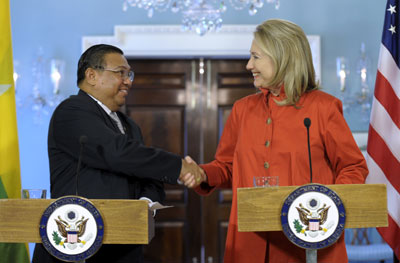
Sorting out sanctions, censorship, sincerity in Burma
On Thursday, the United States rolled back prohibitions against American companies doing business in Burma. The announcement marked the latest diplomatic reward given to President Thein Sein’s quasi-civilian government for initiating reforms in what has historically been a military-run country. In making the announcement, U.S. Secretary of State Hillary Clinton said the democratic changes initiated…