A bid to rid Africa of criminal defamation, sedition laws
The African Union’s special rapporteur on freedom of expression and access to information, Commissioner Pansy Tlakula, has launched an auspicious initiative in East Africa to counter criminal defamation and sedition laws. Since independence, authorities and business interests in the East and Horn region have used criminal laws on sedition, libel, and insult–often relics of former,…

Amid upheaval, Egypt’s media blunders
The unfolding political tumult in Egypt over the past week has not only captured headlines worldwide, it has taken its toll on journalism and reporting as well. While much of the international media turned their attention away from the country over the past year and assumed democracy was marching along, trouble was brewing in the…

JPK’s disappearance becomes murder case in Tahiti
Since Jean-Pascal Couraud’s disappearance in mid-December 1997 his friends had been fighting to debunk the notion that he had committed suicide. In 2004 they had thought they could prove that the 37-year-old muckraker had been a victim of foul play. Vetea Guilloux, a member of the local militia Groupe d’intervention de Polynésie (GIP), had alleged…
In China, foreign correspondents see worsening conditions
Many international correspondents in China believe reporting conditions have worsened over the past year, according to a new survey by the Foreign Correspondents’ Club of China that also finds the Chinese government has “increasingly resorted to threats and intimidation against foreign media.”
Hopes dashed again for more press freedom in Macedonia
On June 21, Macedonian journalists, intellectuals, artists, and free thinkers breathed a sigh of relief. The U.N. special rapporteur on the promotion and protection of the right to freedom of opinion and expression, Frank La Rue, visited Skopje and held one of the most straightforward and honest press conferences on the state of freedom of…
Historic judgment for Gautam Das murder in Bangladesh
Almost eight years have passed since the murder of Bangladeshi journalist Gautam Das, but the slow wheels of justice have finally rotated. Late last month, a court sentenced nine individuals to life in prison in connection with the scribe’s murder. Many local journalists have hailed the verdict as a landmark, the first time a Bangladeshi…

China, local leaders threaten Hong Kong press freedom
In “Dark Clouds on the Horizon,” the Hong Kong Journalists Association’s latest annual report, the group warns that China is tightening its grip over Hong Kong media. The findings come at a time when attacks on a pro-democracy media group, Next Media, have raised fears of aggression against news outlets known for being critical of…
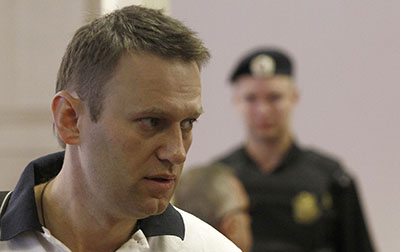
The targeting of Russian blogger Aleksei Navalny
The trial of Aleksei Navalny is coming to an end at the Leninsky District Court in the river city of Kirov, 500 miles northeast of Moscow. Navalny, a charismatic 37-year-old lawyer, was propelled to fame through his activities as an anti-corruption blogger, activist, and a leader of Russia’s opposition movement. Most recently, he pledged to…

Rouhani can take steps to improve Iran press freedom
After eight hellish years for Iran’s journalists under outgoing President Mahmoud Ahmadinejad, the election of Hassan Rouhani was welcomed with hope for a better future. As soon as he takes office in August, he should act on his view and take steps to protect journalists in Iran.