Sri Lanka detains, then releases two visiting journalists
With two weeks to go until the start of the Commonwealth Heads of Government Meeting in Sri Lanka, the government’s anti-media policies remain a pressing topic. There are two links below to statements by media support groups today relating to the government’s wrongful and heavy handed response to a media workshop held in Colombo this…
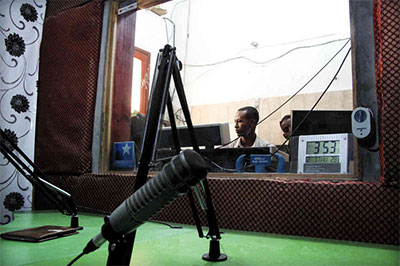
Shabelle off air and staff evicted, fearing for safety
The young staff members of Radio Shabelle, whose offices were in the relatively safe section of Mogadishu next to the airport, are no longer feeling safe. On Saturday, while presenters were on the air, heavily armed security forces raided the Shabelle offices and arrested the three-dozen staff members at gunpoint, according to a statement by…
In China: Who, and what, to believe?
The New Express’s campaign to get Chen Yongzhou, 27, released from police detention last week attracted international attention, including CPJ’s. Chen had been picked up October 18 on “suspicion of damaging commercial reputation” with a series of stores alleging financial mismanagement and corruption at Zoomlion Heavy Industry Science and Technology Co., China’s second-largest heavy equipment…
Somalia, it’s time for action
On the morning of Tuesday, October 22, 2013, Somali television journalist Mohamed Mohamud, nicknamed “Tima’ade,” was seriously wounded when unknown armed men attacked him on his way home from work. He was shot more than five times. Colleagues and local residents in Wadajir district, where the attack took place, immediately rushed him to Madina Hospital in…
Duping pirates and endangering journalists
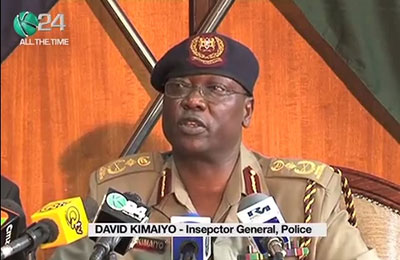
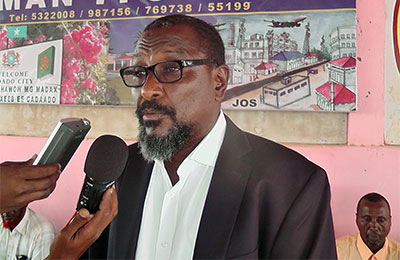
It could have been the script for a John Le Carré intrigue. On Saturday October 12, Belgian security agents arrested Mohamed Abdi Hassan, a kingpin of Somali piracy known as “Afweyne” (Big Mouth), and his associate Mohammed M. Aden, nicknamed Tiiceey, a former governor of Himan and Heeb province.
Greenwald wants to return to US, but not yet
Glenn Greenwald would like to go home to the United States, at least for a visit. But the Guardian journalist and blogger is afraid to do so. He still has material and unpublished stories from his contacts with fugitive whistleblower Edward Snowden that he believes U.S. authorities would love to get their hands on. The…

Africa’s journalists honor jailed editor Woubshet Taye
Journalists and media owners across Africa gave Ethiopian journalist Woubshet Taye a standing ovation in Cape Town on Saturday night at the CNN MultiChoice African Journalist Awards 2013, but he wasn’t there to see it. Instead his wife and son accepted the Free Press Award on his behalf. Part of the citation for the award…