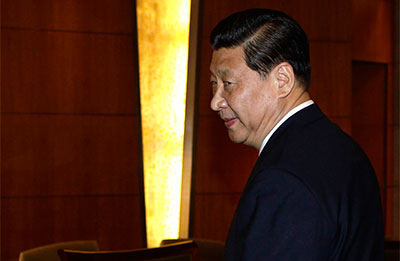
Afghanistan’s draft media law slowed, but not stopped
For now, the Afghan government’s apparent attempt at railroading through a less-than-media-friendly new Mass Media Law without consultation seems to have been sidelined, though not derailed. On Sunday in Kabul, representatives of the Ministry of Information and Culture received recommendations from civil society workers and journalists, including some from the provinces, which were drawn up…
Maldives media offer first-hand accounts
Violent clashes between police and opposition Maldivian Democratic Party (MDP) protesters continued in the streets of the capital, Malé, on Thursday night, according to international news reports. You can read CPJ’s news alert on journalists swept up in the unrest–and background on the demonstrations–here, and some lively discussion on the situation here.
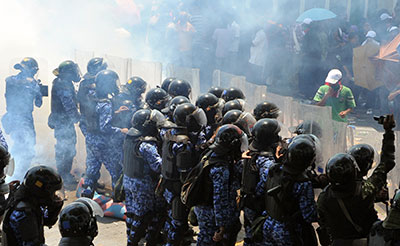
The Maldives backslides on press freedom
CPJ has been watching the Maldives with concern since its first democratically-elected President Mohamed Nasheed relinquished power in February following what he describes as a military coup. New President Mohamed Waheed Hassan says Nasheed’s resignation was voluntary and refuted criticism that his rule marked a return to the ways of former President Maumoon Abdul Gayoom, a dictator…
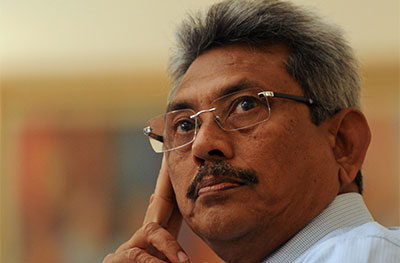
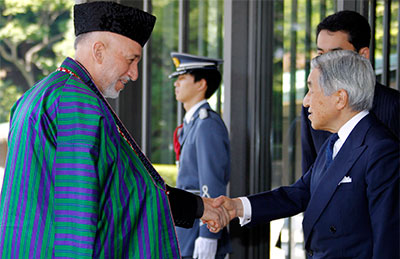
Afghan donors must address media repression
One thing that had better be high on the agenda this weekend at the meeting of 70 or so international aid donors for Afghanistan in Tokyo is the recently released official draft version of the Mass Media Law (a copy of the draft can be found here). I mentioned the new draft in a June…
Shallow victory for China’s journalists, protesters
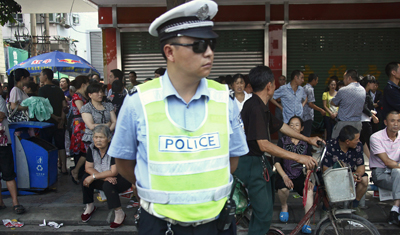
Shi Junrong, Xi’an Evening News bureau chief in the city of Wei’an, ran into trouble recently after he reported on the costly brand of luxury cigarettes favored by local officials. He announced on his microblog that the paper suspended him soon after, according to the U.S. government-funded Radio Free Asia.
The New York Times takes on China’s censors
Well, that didn’t take long. Just days after The New York Times’ soft launch of its Chinese-language edition and accompanying microblog accounts, Berkeley-based China Digital Times website reports that the @nytchinese Sina Weibo feed is no longer accessible in China, along with two accounts hosted by Netease and Sohu. We couldn’t pull them up this…
Can Pakistan’s corrupt media be checked?
With ratings driving the profits of media channels, journalists and political talk show hosts are being motivated to stir up controversy at any cost. Meanwhile, the professionals who believe in credibility, objectivity, and honesty as essential parts of ethical journalism are becoming sidelined.