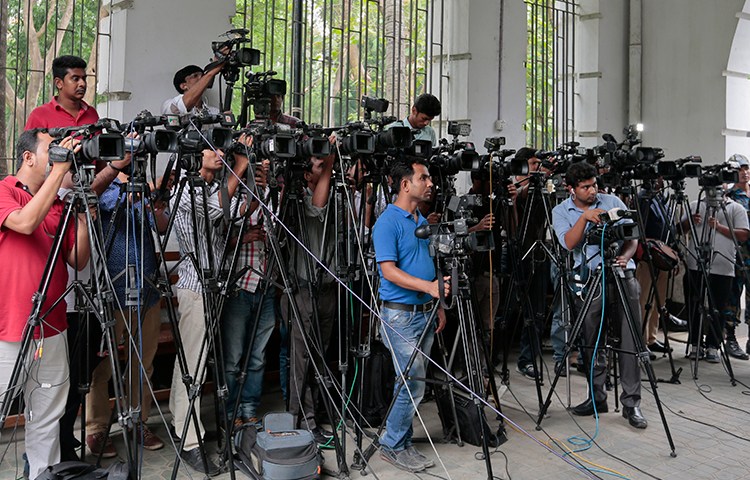

CPJ joins coalition to establish sports and human rights center
The Committee to Protect Journalists today joined a coalition of international sport organizations, civil society, and governments that are establishing an independent Centre for Sport and Human Rights. In a statement published today, the Mega-Sporting Events Platform for Human Rights, which CPJ is part of, outlined its commitment to establishing the center in 2018.
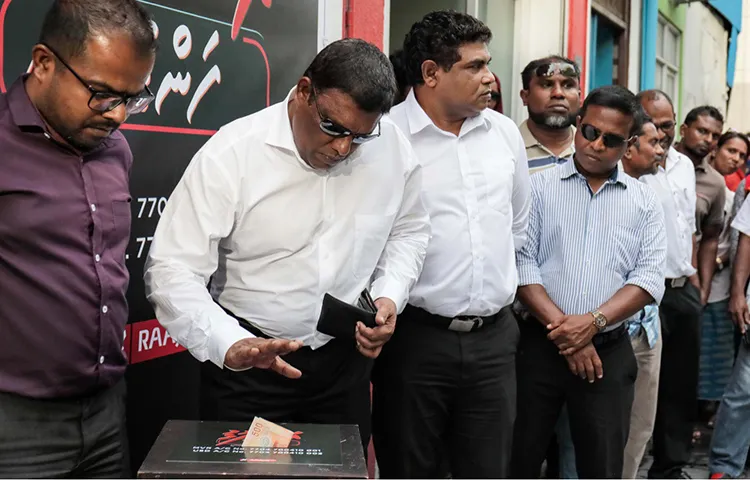

In Pakistan, press safety hubs provide support and training for journalists at risk
When a criminal gang sent threatening messages to Ghulam Mustafa, the reporter said his only option was to stop working for the Pakistani station Geo News. Mustafa acknowledges that laying low for nearly three years was the right decision to ensure his safety, but he said, “Professionally, it was strange that I was not working.…

Q&A: Indian editor explains how threat of legal action is used to silence journalists
On July 5, Paranjoy Guha Thakurta, editor of the Economic and Political Weekly, and his colleagues Advait Rao Palepu and Shinzani Jain, received a notice from Thaker and co., a law firm representing Adani Power Ltd, that threatened legal action over a story published the month before.

It’s too late for Liu Xiaobo but China could show a little kindness to other jailed journalists
I have no pity for Chinese President Xi Jinping, who dug himself into a deep public relations hole with the unnecessarily cruel treatment of China’s Nobel Laureate and political dissident, who died this week. Liu died of liver cancer in a Chinese hospital, after receiving medical parole in June from prison, where he was diagnosed…

Myanmar: One year under Suu Kyi, press freedom lags behind democratic progress
When Nobel Peace Prize laureate Aung San Suu Kyi and her long-persecuted National League for Democracy party won elected office in November 2015, bringing an end to nearly five decades of authoritarian military rule, many local journalists saw the democratic result as a de facto win for press freedom.
Deciding who decides which news is fake
Authorities decry the proliferation of misinformation and propaganda on the internet, and technology companies are wrestling with various measures to combat fake news. But addressing the problem without infringing on the right to free expression and the free flow of information is extremely thorny.
In China, sources face harassment, jail for speaking to foreign media
Zhang Lifan is a Beijing-based historian specializing in modern Chinese history. He is also an outspoken critic of the Chinese government who is interviewed regularly by the foreign press–even when it leads to harassment from officials. Last month alone, he was quoted in a New York Times article about the government revising the length of…
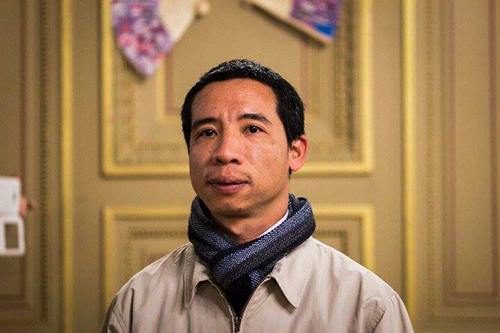
‘I wanted to stay and fight for my beliefs’ says jailed Vietnamese blogger forced into exile
Vietnamese journalist and religious activist Dang Xuan Dieu was granted early release January 12 from a 13-year prison sentence on anti-state charges filed over his critical reporting. As with recent early releases of other jailed Vietnamese journalists, Dieu was forced to immediately board a plane and go into exile as a condition for his freedom.