As Cairo speech nears, concerns for Obama
Dear Mr. President: The Committee to Protect Journalists is writing ahead of your scheduled speech in Cairo on June 4 to bring to your attention important matters that are crucial to the long-term success of your stated goal of engaging the people–and not just the regimes–of the Arab and Muslim worlds.
Families of Ling, Lee urge talks to resolve detentions
New York, June 1, 2009–The Committee to Protect Journalists calls on all parties to pursue diplomatic efforts to gain the release of detained U.S. journalists Laura Ling and Euna Lee, who are facing trial in North Korea this week. The families of the two journalists spoke out this morning on U.S. television to urge diplomatic…
CPJ urges talks to free journalists held in North Korea
We released a statement today after the families of two U.S. journalists being held in North Korea spoke publicly for the first time. The families of Current TV journalists Laura Ling and Euna Lee appeared on NBC’s “Today” show this morning. Our statement follows:
Euna Lee, Laura Ling families to speak out
With a June 4 criminal trial date looming for what North Korea calls “hostile acts,” the families of Euna Lee and Laura Ling have decided to speak out about the two journalists’ detention in Pyongyang. The two women have been held since March 17. In a Facebook announcement, the families told supporters: “Our families have…
Kidnapped journalists in Somalia reportedly ill
New York, May 26, 2009–The Committee to Protect Journalists is very concerned about the well-being of two captive journalists, a Canadian and an Australian, who urged their respective governments to work harder for their release in a phone call with a reporter on Sunday. Both journalists said they were sick and being held in harsh…
Broadcaster critically injured in latest Philippine shooting
New York, May 22, 2009–The Philippine government must address a series of shootings that have targeted journalists on the southern island of Mindanao, the latest coming on Wednesday when gunmen critically wounded a local radio broadcaster, the Committee to Protect Journalists said today.
Philippine journalist unharmed in shooting
Gunshots were fired into the home of Abra province journalist Marjorie Bandayrel-Trinidad on May 14, 2009, according to a local press freedom group and news reports. Bandayrel-Trinidad and her husband and child were unhurt, the reports said. Abra is in the north of the Philippines.
Philippine journalist alleges he is on military ‘hit list’
New York, May 20, 2009–The Committee to Protect Journalists calls on the Philippines government and the Armed Forces of the Philippines to clarify an accusation made by freelance journalist Carlos Conde that his name appeared on a 2007 official Armed Forces “order of battle” document.
CPJ calls for release of detained Tamil doctors
Following the recent arrest and continued detention of three Tamil doctors–Thangamuttu Sathiyamorthi, Thurairaja Varatharajan and V. Sunmugarajah –by the Sri Lankan military after they supplied local and international news media with causality figures in Vanni during the last stages of the war with the Liberation Tigers of Tamil Eelam, we issued this statement…
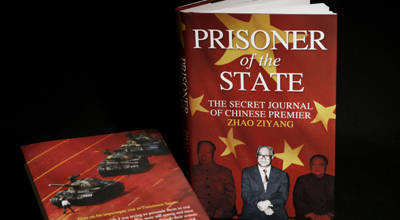
No news on Zhao is good news for Communist Party
News of the coming posthumous publication of Zhаο Ziyаng’s memoirs hit the stands this week–outside China, anyway. Local media did not cover the story on Friday, and officials have yet to comment. Neither the Chinese nor the English version of the book, Prisoner of the State, reportedly transcribed while the former Communist Party general secretary was under house…