Reuters: Thailand says troops may have killed journalist
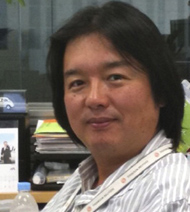
New York, December 10, 2010–Investigators in Thailand now believe that troops may have been responsible for the shooting death of Reuters cameraman Hiro Muramoto, at left, on April 10, according to a leaked preliminary state probe by Thailand’s Department of Special Investigation (DSI), Reuters reported from Bangkok today.Thai government investigators said in the report that the death…
Video: Shining Light on a Dark Prison Cell
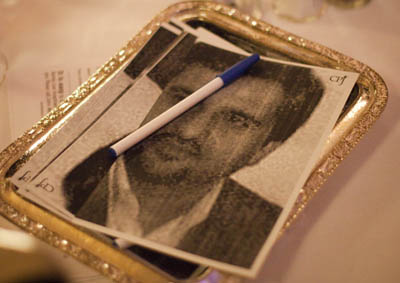
In this video companion to CPJ’s 2010 census of imprisoned journalists, Sri Lankan columnist J.S. Tissainayagam describes his own time in prison and how international advocacy can make a difference in winning the freedom of jailed reporters, editors, photojournalists, and bloggers. (4:09) Read the special report “Iran, China drive prison tally to 14-year high” and…

With 145 journalists behind bars, what’s in a number?
Today we released our annual census of imprisoned journalists around the world, citing 145 reporters, editors, and photojournalists behind bars on December 1, an increase of nine from 2009 figures. The tally begs the question, What’s in a number?
Fighting bogus piracy raids, Microsoft issues new licenses
CPJ has documented for several years the use of spurious anti-piracy raids to shut down and intimidate media organizations in Russia and the former Soviet republics. Offices have been shut down, and computers seized. Often, security agents make bogus claims to be representing or acting on behalf of the U.S. software company Microsoft.
Pakistani journalist gunned down at his home in Sindh
New York, December 6, 2010–Authorities in Sindh province must fully investigate Sunday’s shooting death of Pakistani journalist Mehmood Chandio, president of the Mirpurkhas press club and bureau chief for the Sindhi-language television Awaz, the Committee to Protect Journalists said today.
Cambodia must ensure release of Japanese photographer
New York, December 6, 2010–The Committee to Protect Journalists calls on the government of Cambodia to ensure the release of Japanese photographer Go Takayama. According to the English-language Phnom Penh Post and the online magazine for the National Press Photographers Association, Takayama was arrested on November 23 after photographing a married couple inside a home. Undercover police detained…