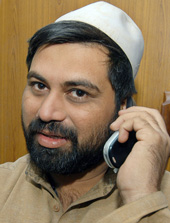
Justice for Saleem Shahzad? We’ve seen this before…
An important distinction is emerging in the murder of Saleem Shahzad, at left, as details of a second post-mortem were released Thursday. Shahzad was not tortured as has been widely reported. He was more likely beaten to death fairly quickly, apparently with iron rods, according to media reports. Here’s the highly respected Amir Mir, writing…
Rising anger amid accusations about who killed Shahzad
Just a few pointers to the angry discussion that is going on among Pakistan’s journalists about the killing of Saleem Shahzad. The Inter Services Intelligence Directorate (ISI) seems to have emerged as the prime target of accusation, but it has rejected claims of any involvement.In an Associated Press of Pakistan article Tuesday slugged “Salim Shahzad…
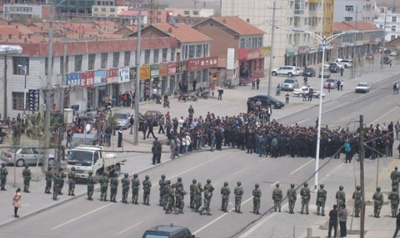
Video Report: Murdered With Impunity
In “Murdered With Impunity,” Sri Lankan journalist Sonali Samarasinghe describes the unsolved murder of her husband, the editor Lasantha Wickramatunga. Although Wickramatunga was beaten to death on a busy street in broad daylight, the government has failed to apprehend his attackers. (3:32)Read our accompanying special report, “Getting Way With Murder.” Please visit our Global Campaign…
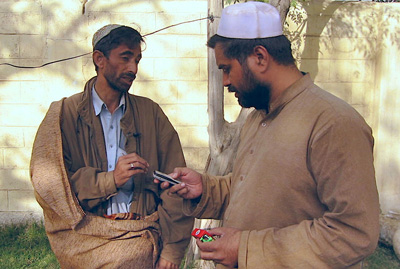
Prominent journalist dies in targeted killing in Pakistan
New York, May 31, 2011–The Committee to Protect Journalists is alarmed and angered by the targeted killing of senior Pakistani journalist Saleem Shahzad, the Pakistan bureau chief of the Asia Times online website. Shahzad, considered an expert on Al-Qaeda and Taliban militants, disappeared on Sunday night as he was on his way to participate in…
A friend remembers Saleem Shahzad
When I received an unexpected call early Monday morning from Saleem Shahzad’s wife, I knew I was in for some bad news.”Saleem has not come home since Sunday evening, when he was on his way to a television studio,” she said. She told me that she then remained as composed as possible until she received…
No spring in China, but are the media heading for a fall?
Here’s a quick toss to a video posted on YouTube by Australian Broadcasting’s reporter Stephen McDonell. He and his crew decided to confront some Chinese security types (not surprisingly they didn’t identify themselves) who had been following them in Wenzhou while reporting in China. The team was covering religion, including underground or “house” churches–those not…
Threats, security in Afghanistan: Some responses
Last Friday’s post, “After bin Laden, a warning to foreign journalists,” generated several responses from Western journalists in Kabul. I also did two lengthy interviews on Monday with the U.S. government-funded broadcaster Voice of America, and fielded questions from several other news outlets.