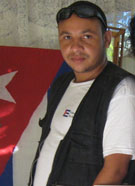
Journalists face arrest, intimidation during Party Congress
New York, April 20, 2011–The Committee to Protect Journalists is alarmed by a string of recent arrests of journalists from the Havana-based news outlet Centro de Información Hablemos Press, preventing them from reporting on the Communist Party Congress held in Havana this week. CPJ called on the Cuban government to cease its persistent harassment of…
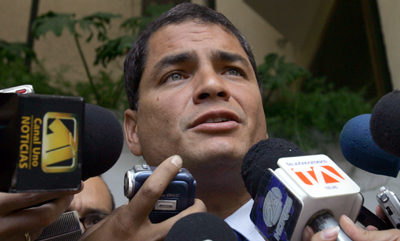
Referendum threatens press freedom in Ecuador
President Correa: With a referendum approaching that may restrict news content and weaken news media companies, we are deeply concerned about Ecuador’s commitment to freedom of expression. The vote, scheduled for May 7, will ask Ecuadorans several questions on a range of issues. The 10-point ballot includes, among other things, creation of a council to regulate media content and a prohibition against media companies having holdings in other industries.
State Department falls short in first Pearl Act reports
The State Department released its annual Country Reports on Human Rights this week. In preparing this year’s reports, Foggy Bottom had to comply for the first time with the Daniel Pearl Freedom of the Press Act. Signed into law in May 2010, the Pearl Act requires descriptions, identifications, and assessments of press freedom conditions, including…
Writer threatened during Bailey murder trial
As the trial of suspects charged with murdering Oakland, Calif., reporter and editor Chauncey Bailey continued, a reporter who has written dozens of articles about the case was himself threatened as he investigated allegations of real estate fraud by a business tied to the suspects on trial.

Critical Brazilian TV journalist shot dead
New York, April 11, 2011–Brazilian authorities must thoroughly investigate the slaying of radio and television journalist Luciano Leitão Pedrosa, the Committee to Protect Journalists said today. Pedrosa, known for his critical coverage of local authorities and criminal groups, was shot Saturday night at a restaurant in Vitória de Santo Antão in northeastern Pernambuco state, according…
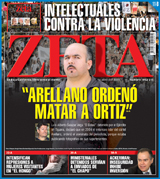
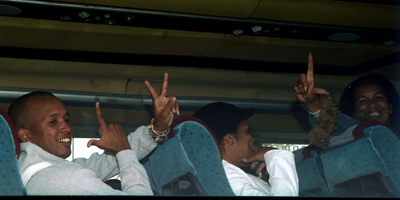
Ending dark era, Cuba frees last jailed journalist
New York, April 8, 2011–The Cuban government on Thursday released the last journalist remaining in its prisons, ending a dark, eight-year-long era in which the island nation was one of the world’s worst jailers of the press, at one time imprisoning nearly 30 independent reporters and writers. The Committee to Protect Journalists expressed relief today…
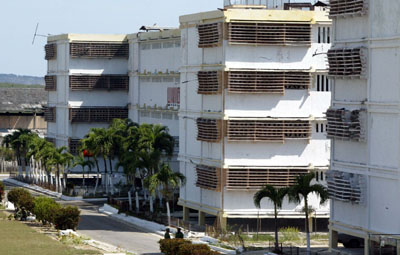
Cuban journalist Fernández Saínz: I was a reporter in prison
I went to prison for practicing independent journalism in Cuba. As soon as you get there, you must prepare yourself to narrate the horrors of the hellhole you’ve ended up in. And Cuban prisons are horrendous. But the horrors start not one step back in the penal tribunal, not two steps back with the police…
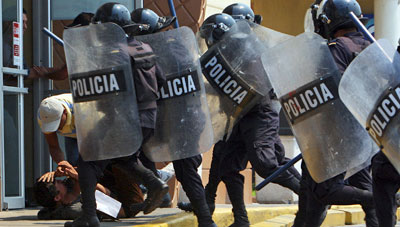
CPJ alarmed by wave of anti-press attacks in Honduras
New York, April 6, 2011–The Committee to Protect Journalists today called on law enforcement in Honduras to stop attacking or prohibiting journalists from covering social unrest in the country. The attacks have come amid a national teachers’ strike that has turned violent.
CPJ condemns closure of provincial radio station in Ecuador
New York, April 5, 2011–The Committee to Protect Journalists condemns the closure of a provincial Ecuadoran radio station and calls on local regulators to allow the station to resume broadcasting. Voz de la Selva Esmeralda Oriental Canela radio, known for its critical coverage of local authorities, had appealed an order to close the station on…