Imprisoned journalist receives suspended sentence
New York, August 9, 2004—A court in the Central African Republic’s capital, Bangui, today sentenced Maka Gbossokotto, publication director of the private French language daily Le Citoyen, to a 12-month suspended jail term and a 500,000 CFA franc (US$960) fine for printing “public insults” against businessman Jean-Serge Wafio. Gbossokotto was also charged with defamation, but…
Radio Hosanna employees released, station still shuttered
New York, August 9, 2004—Seven employees of an evangelical radio station that was shuttered last week were freed on Saturday, August 7, without charge. The station, Radio Hosanna, in the southern Democratic Republic of Congo city of Lubumbashi, remains closed. The station has been shut down since August 4, when national intelligence agents and police…
Maoist rebels attack journalists
New York, August 9, 2004—The Committee to Protect Journalists (CPJ) is troubled by the continuing deterioration of press freedom conditions in Nepal, marked by several recent threats and attacks on journalists covering the Maoist rebel insurgency in the western part of the country. On July 31, Maoist rebels abducted a local journalist and human rights…
CPJ CALLS ON PUTIN TO ENSURE EDITORS’ KILLERS ARE BROUGHT TO JUSTICE
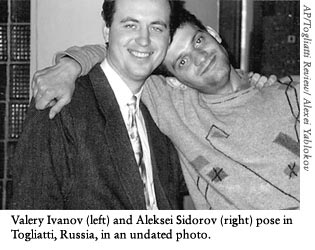
New York, August 9, 2004—Saying that Russian authorities “have repeatedly disregarded pertinent evidence and witnesses” in the slayings of two editors of a Togliatti newspaper, the Committee to Protect Journalists (CPJ) called on President Vladimir Putin today to “devote the full resources of your office” to bring the true killers to justice.
CPJ protests imprisonment, threats
Your Excellency: The Committee to Protect Journalists (CPJ) protests the continued imprisonment of Maka Gbossokotto, publication director of the private French language daily Le Citoyen, who faces a verdict on Monday, August 9, in a trial on criminal defamation charges. We are also concerned by recent government threats against the independent press, which appear to be an attempt to stem criticism of authorities.
Documentary filmmaker arrested
New York, August 6, 2004—The Committee to Protect Journalists (CPJ) condemns the recent arrest of Burmese documentary filmmaker Lazing La Htoi, who was detained on July 27 in Myitkyina, the capital of the northern Kachin State, for filming and distributing footage of extreme flooding that hit the region in late July. La Htoi shot footage…
Radio station shuttered; journalists arrested
New York, August 6, 2004—National intelligence agents stormed an evangelical radio station in the southern city of Lubumbashi, shutting it down and arresting seven employees this week after the station broadcast a sermon critical of the government. The Committee to Protect Journalists is deeply troubled by the closing of Radio Hosanna, which broadcasts religious and…
Chechen editor reports ongoing harassment
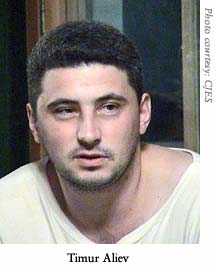
New York, August 6, 2004—The campaign of harassment against the independent weekly Chechenskoye Obshchestvo (Chechen Society), which is based in Ingushetia’s capital, Nazran, continued this week, according to the publication’s editor. Editor Timur Aliev told CPJ that on August 2 and 3, the paper’s Web site was down, and that some e-mails and phone calls…
CPJ calls on Ridge to back reforms for foreign journalist visas
Dear Mr. Secretary: The Committee to Protect Journalists is concerned that recent actions by the Department of Homeland Security have impeded access of foreign reporters to the United States, reversing long-standing U.S. government practice.