Attacks on the Press in 2012: Cuba
Though Cuba projected an image of a nation opening up economically and politically, it took no substantive steps to promote freedom of expression. The authorities announced plans to eliminate exit visa regulations that had long restricted Cuban travel, but skeptics expressed doubts about the government’s commitment to the reform. The prominent blogger Yoani Sánchez, has…
Attacks on the Press in 2012: Colombia
Journalists faced resurgent violence from illegal armed groups in the months before President Juan Manuel Santos’ government announced peace talks with the leftist guerrilla organization Revolutionary Armed Forces of Colombia. The group, also known as the FARC, held French reporter Roméo Langlois captive for more than a month, the first abduction of an international journalist…
Attacks on the Press in 2012: Brazil
Brazil’s international profile remained on the rise, but its government consistently failed to show leadership on press freedom issues. Anti-press violence surged with four work-related fatalities; the country’s ranking also worsened on CPJ’s Impunity Index, which highlights countries where journalists are killed regularly and the authorities fail to solve the crimes. Along with India and…
Attacks on the Press in 2012: Somalia
Despite a relatively peaceful presidential election and the government’s continuing control of the capital, Mogadishu, a record number of Somali journalists were killed in 2012. Amid comparative calm in the capital, targeted killings of journalists and political figures continued, most notably in a deadly September blast at a café frequented by reporters and government officials.…
Attacks on the Press: Killed in 2012: A Worldwide Roundup
Killed in 2012: A Worldwide Roundup The number of journalists killed in the line of duty rose sharply in 2012, as the war in Syria, a record number of shootings in Somalia, continued violence in Pakistan, and a worrying increase in Brazilian murders contributed to a 49 percent increase in deaths from the previous…
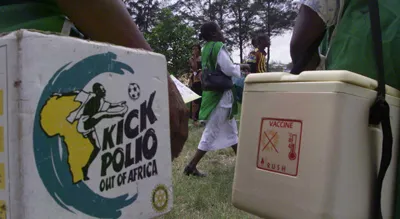
Nigerian journalists charged for criticizing polio campaign
Abuja, Nigeria, February 13, 2013–Authorities in Nigeria’s northern state of Kano should drop the criminal charges filed on Tuesday against two radio journalists who have been detained since Sunday in connection with their criticism of local officials’ handling of a polio vaccination campaign, the Committee to Protect Journalists said today.
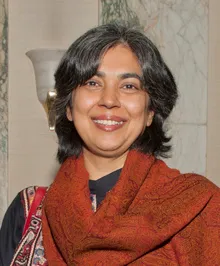
Remembering Ayesha Haroon, editor who embraced facts
The highly respected Pakistani editor Ayesha Haroon first came to CPJ’s New York office in July 2011, along with her husband, Faisal Bari, and Absar Alam, both of whom work for the Open Society Foundations. We talked about ways to confront the dangerous conditions facing Pakistani journalists. It was a bad year: Seven journalists would…
CPJ Impact
News from the Committee to Protect Journalists, January 2013 CPJ assists record number of journalists in 2012CPJ’s Journalist Assistance program provided support to a record number of journalists in 2012. The organization assisted at least 195 reporters, editors, and photographers from across the globe with legal, financial, medical, exile, and family support. Journalists from East…